


Best Laser Treatments for Age Spots
Age spots can make your skin look tired and older, even if you’re otherwise healthy. They appear where sun has hit the most, like the face, hands, and shoulders. This list will walk you through the leading laser options that actually fade those brown patches. By the end, you’ll know how each technology works, what to expect during recovery, and which one fits your skin type and schedule.
We’ll cover five specific laser systems, a quick side‑by‑side comparison, and a short FAQ that clears up the most common doubts. Let’s start and find the treatment that gives you a clearer, more even complexion.
1. Q‑switched Nd:YAG Laser , Precise pigment targeting
The Q‑switched Nd:YAG laser fires ultra‑short bursts of light at 1064 nm. Those pulses are measured in nanoseconds, which means the energy hits the skin so fast that it shatters melanin particles without heating surrounding tissue. Because the laser zeroes in on dark pigment, it’s especially good for age spots on lighter skin tones where the contrast is clear.
In clinical studies, researchers found that the Q‑switched laser can reduce pigment depth after just two to three sessions, with minimal swelling. The technology also sees use in tattoo removal and treatment of melasma, showing its versatility across pigment‑related concerns.
During a typical session, a topical numbing cream is applied, then the practitioner scans the laser over the spot. You’ll feel a quick snap, similar to a rubber band. Most patients report mild redness that fades within a day or two.
Pros include high precision, short downtime, and the ability to treat small, isolated spots. Cons are the need for multiple visits for larger areas and a restriction to Fitzpatrick skin types I‑III to avoid post‑inflammatory hyperpigmentation.
When you choose a provider, ask about pulse energy settings and whether they can adjust the spot size. A skilled clinician will start with a low setting and increase only if your skin tolerates it.
Key Takeaway:Q‑switched Nd:YAG offers pinpoint pigment removal with just a few days of downtime, but it works best on fair to medium skin.
Our own specialists at PS AESTHETICS wellness + skinbar services use the latest Q‑switched devices, tailoring each pulse to your individual skin tone. The result is a smoother complexion with a quick return to daily life.
For a deeper look at the science behind Q‑switched lasers, see the peer‑reviewed study on Q‑switched Nd:YAG effectiveness . It explains how the laser’s nanosecond pulses create selective photothermolysis that spares surrounding tissue.
2. Fraxel Laser , Fractional resurfacing for even tone
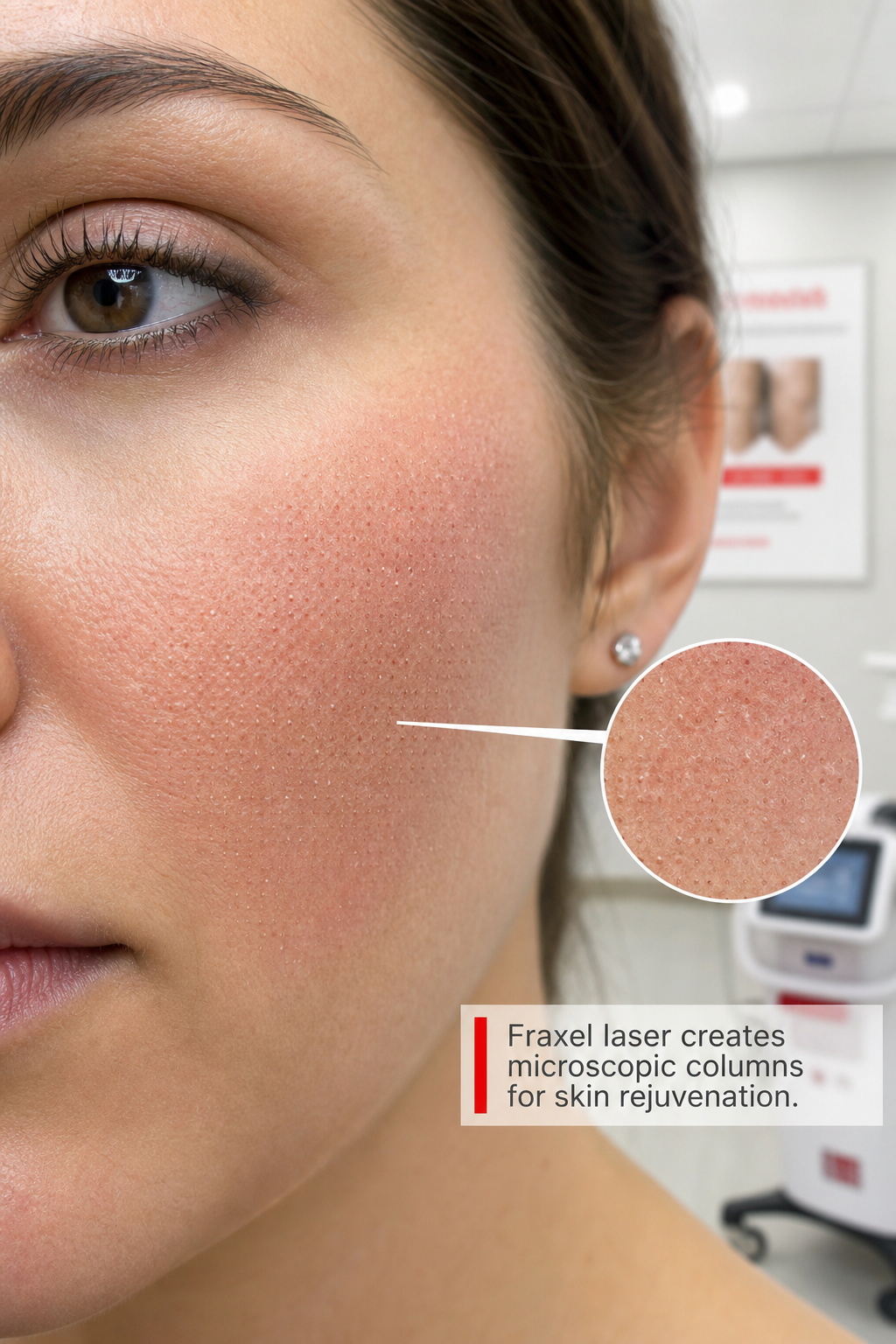
Fraxel is a fractional laser that creates thousands of microscopic columns, called microthermal zones, in the skin. The surrounding tissue stays intact, which speeds healing and reduces overall downtime compared with full‑field resurfacing.
Each micro‑column reaches deeper layers, stimulating collagen production that continues for months after treatment. That ongoing remodeling helps fade age spots while also improving texture and fine lines.
Typical sessions last 20, 45 minutes, and most patients need one to three visits for noticeable pigment reduction. After treatment, the skin may look sun‑burned for a few days, then peel gently as new cells rise.
Fraxel works well on a broader range of skin tones than Q‑switched, though very dark skin still carries a risk of hyperpigmentation. The key is to choose the right intensity level, lower settings for darker tones, higher for lighter skin.
Pros: deeper collagen boost, fewer sessions for moderate spots, and a balanced downtime of about 3, 5 days. Cons: a mild sunburn‑like sensation and the need for diligent sun protection during recovery.
When planning your Fraxel journey, ask the clinician about pre‑treatment skin conditioning. Using a gentle retinoid a week before can prime the skin for better results.
Ready to see if Fraxel fits your needs? Learn more about the technology in plain language and discover patient stories that illustrate typical outcomes.
After your Fraxel session, keep the skin moisturized and avoid direct sun for at least two weeks. A broad‑spectrum SPF 30+ sunscreen is non‑negotiable.
3. PicoSure Laser , Ultra‑fast picosecond pulses
PicoSure uses picosecond pulses, one trillionth of a second, to break melanin into tiny fragments. Unlike Q‑switched lasers, which rely on heat, PicoSure creates a photoacoustic shockwave that shatters pigment without raising skin temperature.
This means the treatment is safe for many skin types, including darker tones, because there’s less risk of thermal injury. The laser also sparks collagen production, giving you smoother skin beyond just spot removal.
A typical PicoSure session takes only a few minutes per area. Most clients see a visible lightening after one to two visits, though deeper spots may need three to four sessions.
Advantages include minimal downtime, usually just mild redness that fades within 24 hours, and the ability to treat both pigment and texture in one go. A downside is the higher cost per session compared with older lasers.
When you schedule PicoSure, discuss the “Focus Lens Array” setting with your provider. That option narrows the beam for precise work on small spots, which is perfect for age spots on the face.
Our clinicians at PS AESTHETICS are trained on the latest PicoSure platforms. They can adjust pulse energy to match your skin’s sensitivity, ensuring comfort and safety.
For a scientific overview of picosecond technology, see a reputable overview of picosecond lasers . It breaks down the physics in easy‑to‑understand terms.
Pro Tip:Ready to erase stubborn age spots? Try PS AESTHETICS Wellness + Skinbar free →
After treatment, use a gentle cleanser and avoid exfoliating acids for a week. This lets the skin heal without irritation.
4. IPL (Intense Pulsed Light) , Broad‑spectrum light option
IPL is not a laser but a broad‑spectrum light source that emits wavelengths from 500‑1200 nm. The light is filtered to target melanin, causing the pigment to break down over several sessions.
Because IPL covers a range of wavelengths, it can treat a mix of concerns, age spots, mild rosacea, and even fine hair, making it a versatile choice for busy clients.
Typical treatment courses involve 3, 5 sessions spaced three weeks apart. Each session lasts about 20 minutes, and downtime is minimal, often just a faint pink flush that clears in a few hours.
IPL works best on lighter skin tones (Fitzpatrick I‑III) where the contrast between melanin and surrounding skin is high. Darker skin can absorb too much energy, raising the chance of post‑inflammatory hyperpigmentation.
Pros: lower cost per session, quick appointments, and the ability to treat multiple issues at once. Cons: requires more visits for deep pigmentation and less precision than true lasers.
When evaluating IPL, ask the provider about pulse filters and cooling systems. Modern IPL devices use built‑in cooling to keep the skin comfortable.
For a balanced view of laser vs. IPL, see a professional comparison of photofacial technologies. It outlines where each method shines.
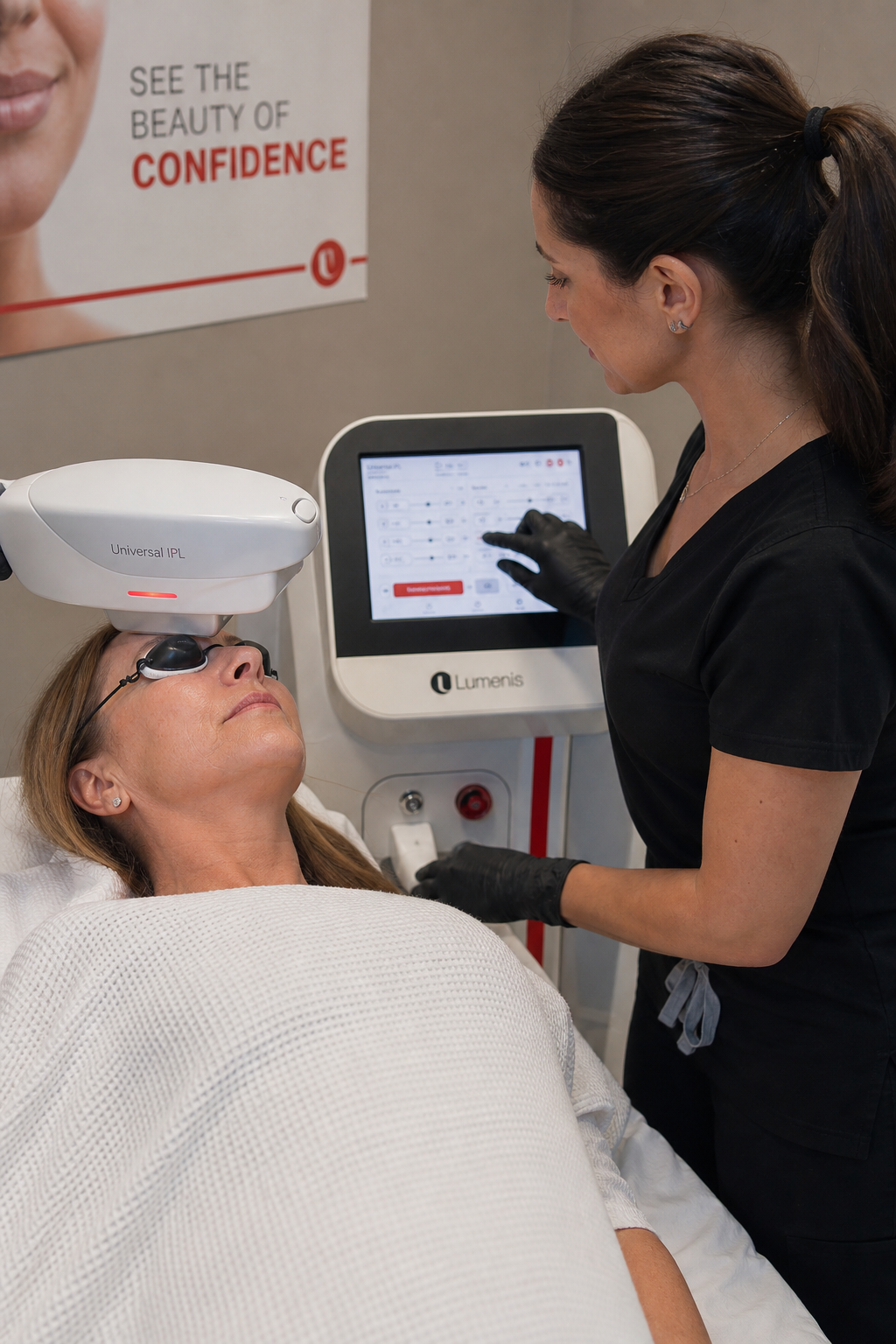
Post‑IPL care is simple, apply a soothing moisturizer and stay out of direct sun for at least a week. A mineral sunscreen helps lock in results.
5. CO₂ Laser , Deep resurfacing for stubborn spots
CO₂ laser resurfacing uses a focused beam of infrared light (10,600 nm) to vaporize the outer skin layers. The process removes damaged cells and stimulates a fresh layer of healthy tissue underneath.
For age spots, the laser breaks down melanin and then the body naturally sheds the ablated skin. Because CO₂ works at a deeper level, it can eliminate even the most stubborn pigmentation in one or two sessions.
Recovery takes longer than non‑ablative options, usually 7, 10 days of redness, swelling, and peeling. During this phase, the skin looks like a mild sunburn and may feel tight.
Pros: powerful results, often a single treatment can clear deep spots, and the added benefit of overall skin tightening. Cons: longer downtime, higher cost, and a small risk of scarring, especially on darker skin tones.
To minimize risks, a qualified dermatologist will assess your Fitzpatrick rating and may combine the CO₂ laser with a gentler post‑procedure regimen that includes silicone gels and vitamin C serums.
Our team at PS Aesthetics Wellness + Skinbar follows a meticulous protocol: a pre‑treatment skin assessment, a test spot, and a personalized after‑care plan that includes cool compresses and a barrier ointment.
The clinical evidence supporting CO₂ laser’s efficacy comes from multiple sources, including the trusted medical resource overview of laser resurfacing , which notes its long‑standing track record for pigment removal and skin tightening.
After your CO₂ session, avoid any abrasive skincare for two weeks and keep the area protected with an SPF 50 mineral sunscreen.
6. Comparison of Top Laser Treatments
Below is a quick matrix that lines up the key factors you’ll weigh when picking a laser for age spots. Use it as a cheat sheet during your consultation.
Laser | Mechanism | Typical Sessions | Downtime | Best Skin Types | Cost per Session (USD) |
Q‑switched Nd:YAG | Nanosecond photothermolysis | 2‑3 | 1‑2 days | I‑III | ≈ $300‑$400 |
Fraxel | Fractional micro‑thermal zones | 1‑3 | 3‑5 days | I‑IV | ≈ $400‑$500 |
PicoSure | Picosecond photoacoustic shock | 1‑4 | Less than 1 day | I‑VI | ≈ $500‑$600 |
IPL | Broad‑spectrum light | 3‑5 | Same day | I‑III | ≈ $200‑$300 |
CO₂ Laser | Ablative vaporization | 1‑2 | 7‑10 days | I‑III (cautious with IV‑VI) | ≈ $600‑$800 |
Think about your schedule, pain tolerance, and budget when you read the table. If you can afford a bit more downtime for a one‑and‑done result, CO₂ laser stands out. If you need a quick fix with minimal interruption, IPL or PicoSure may suit you better.
PS Aesthetics Wellness + Skinbar recommends a personalized plan. For most clients with moderate spots and a busy lifestyle, we start with PicoSure because it balances speed, safety, and effectiveness. If deeper pigment remains, we may add a fractional Fraxel session to boost collagen.
"Choosing the right laser is less about the hype and more about matching the technology to your skin’s needs," says a board‑certified dermatologist.
Explore the full range of laser options at Explore PS Aesthetics Wellness + Skinbar offerings and schedule a free skin analysis.
FAQ
What does a laser treatment for age spots actually do?
The laser targets melanin, the pigment that makes spots dark. It breaks the pigment into tiny pieces that the body can clear away. Over a few weeks, the treated area lightens and the skin’s texture improves as new cells replace the old ones.
How many sessions will I need?
Most lasers require 1‑4 sessions. Certain short‑pulse lasers and a picosecond system often need 2‑3 visits, a fractional laser may need up to three, intense pulsed light therapy typically needs 3‑5, and a carbon‑dioxide laser can sometimes clear spots in a single session if the spots are not too deep.
Is the procedure painful?
All lasers use a topical anesthetic to numb the skin. You’ll feel a quick snap or heat, but most clients describe the sensation as mild. Post‑treatment soreness is usually brief and can be soothed with cool compresses.
Can I treat all skin tones?
Non‑ablative lasers such as a picosecond system work on a wide range of tones. Ablative options such as a carbon‑dioxide laser and short‑pulse lasers are safest on lighter skin (Fitzpatrick I‑III). Fractional lasers offer adjustable settings that can accommodate medium tones with care.
What should I do after a treatment?
Keep the area clean, avoid harsh scrubs, and use a broad‑spectrum sunscreen of at least SPF 30. Follow any prescribed ointments and stay out of direct sun for the recommended period, usually a few days for non‑ablative lasers and up to two weeks for a carbon‑dioxide laser.
Are there any risks of scarring or new spots?
When performed by a qualified professional, risks are low. The main concerns are temporary redness, swelling, or a brief change in pigment. Darker skin types need extra caution with ablative lasers to prevent hyperpigmentation.
How do I know which laser is right for me?
Start with a consultation. Your provider will assess your skin type, spot depth, and lifestyle. They’ll then recommend a laser that balances effectiveness with downtime that fits your schedule.
Will the results last forever?
The treatment removes existing pigment, but new spots can form with future sun exposure. Ongoing sun protection and regular skin checks are essential to keep results looking fresh.
Conclusion
Laser treatment for age spots has come a long way. From the precise nanosecond bursts of Q‑switched Nd:YAG to the deep resurfacing power of CO₂, each option offers a unique blend of speed, safety, and results. Your choice should hinge on how much downtime you can handle, your skin’s Fitzpatrick rating, and your budget.
At PS AESTHETICS Wellness + Skinbar we guide you through a personalized plan. Our experts combine the latest PicoSure technology with optional Fraxel touch‑ups to give you clear, even skin without a long break from work or social life.
Ready to start? Book a free skin analysis today and let our team map out the fastest route to a spot‑free glow.


Comments