


Botox Side Effects: What You Need to Know
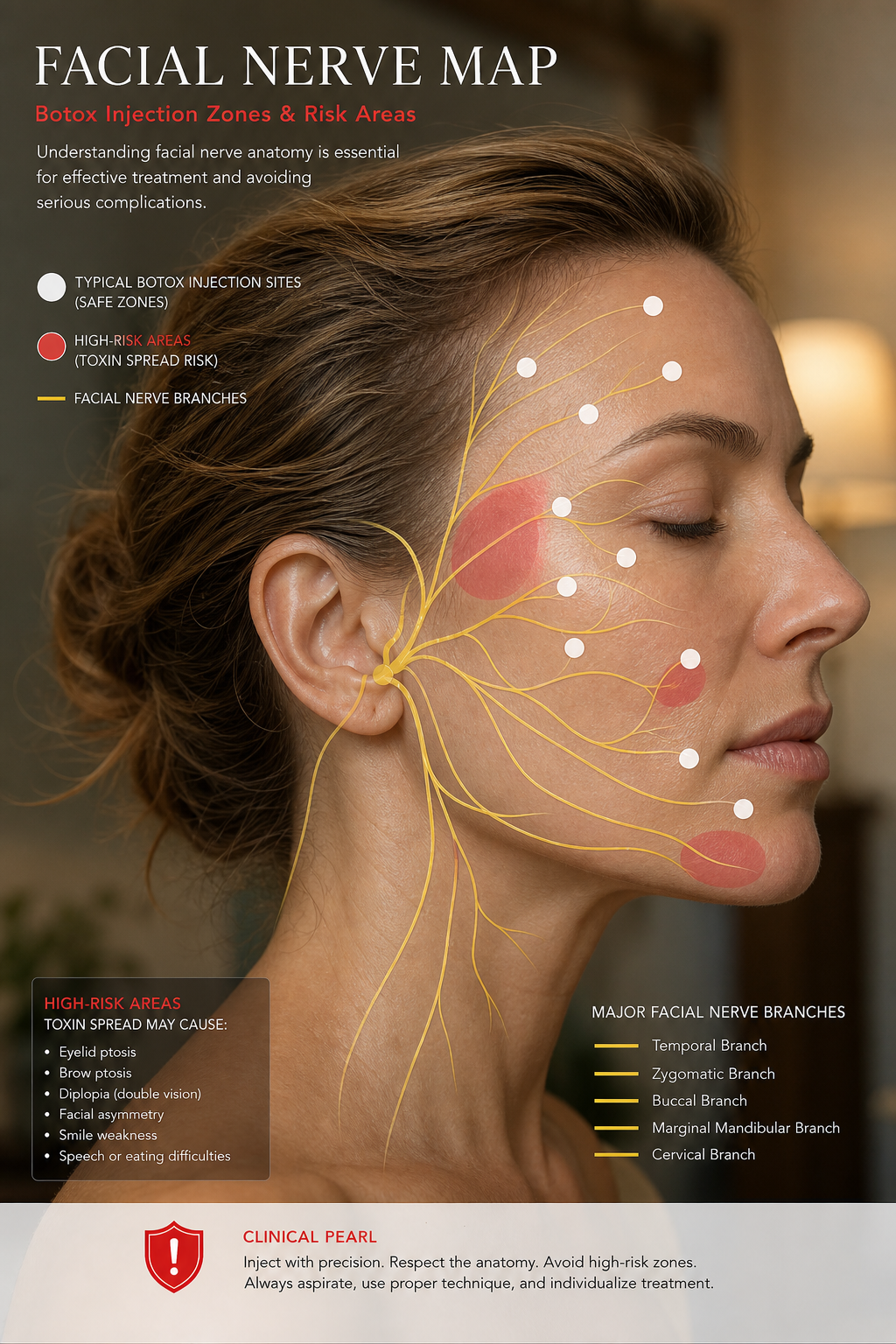
Botox can smooth wrinkles, but it can also bring surprises. Knowing what to expect helps you stay calm and keep your results on point. In this guide we’ll break down how Botox works, the side effects you might see, who’s more likely to feel them, and steps you can take to stay safe.
How Botox Works and Why Side Effects Occur
Botox is a purified form of botulinum toxin type A. When injected, the molecule finds its way to nerve endings that tell muscles to contract. It first latches onto a receptor on the nerve surface, then slips inside the cell. Inside, a light chain cuts a protein called SNAP‑25, which is part of the SNARE complex that lets neurotransmitters leave the nerve. Without SNAP‑25, acetylcholine can’t be released, so the muscle stays relaxed.
This chain of events is why Botox can smooth frown lines for months. It also explains why side effects happen , the same pathway that blocks muscle signals can affect nearby nerves or blood vessels if the toxin spreads.
Scientists have mapped each step of the process. Early studies in the 1920s showed that the toxin stops acetylcholine release. Later work identified the exact receptors and the SNAP‑25 cut. The multi‑step model is now the basis for both cosmetic and therapeutic uses.
When the toxin lands in the wrong spot, a few things can go awry. A tiny blood vessel may be nicked, causing a bruise. A nearby facial nerve might get a small dose, leading to temporary drooping. And if the dose travels farther than intended, rare systemic effects can appear.
Understanding the chemistry helps you ask the right questions during your consultation. Ask the injector how they map the injection sites and what steps they take to keep the toxin where it belongs.
Key Takeaway:Botox works by blocking acetylcholine release; side effects stem from unintended spread or vessel injury.
For a deeper scientific view, see the peer‑reviewed explanation of Botox’s mechanism .
Common Temporary Side Effects of Botox
Most people notice only mild, short‑lived reactions. The most frequent ones are bruising, redness, and slight swelling at the injection site. These happen when the needle scratches a tiny capillary under the skin. Because the skin around the eyes and forehead is thin, bruises can show up quickly.
Bruising usually fades within a week. If you have fair skin or take blood‑thinning meds, it may linger a bit longer. Other temporary signs include a mild headache, a feeling of tightness, or a brief drooping of the eyebrow (brow ptosis). In a large study, eyebrow drooping occurred in about 11 % of patients, making it the most common specific adverse event (PMID 16112345) .
Here’s what a typical recovery looks like:
Day 0‑1: Ice pack, gentle cleansing, no rubbing.
Day 2‑4: Bruising may darken, then start to fade.
Day 5‑7: Most redness and swelling subside.
Day 8‑10: Any lingering bruise lightens further.
To keep bruising low, avoid aspirin, ibuprofen, and fish oil for a week before treatment. Skip alcohol the night before, and consider an arnica gel on the first day.
When you notice a small droop, it often resolves in two to four weeks as the toxin’s effect wears off.
Pro Tip:Apply a cold compress for 10 minutes right after the injection, then switch to a warm compress after 24 hours to boost circulation.
For a quick visual reference, see the table below.
Side Effect | Typical Onset | Duration |
Bruising | Immediately | 5‑7 days |
Headache | Within 24 hours | 1‑2 days |
Brow ptosis | 48 h‑7 days | 2‑4 weeks |
Rare but Serious Side Effects
Serious reactions are uncommon, but they can be life‑threatening. The FDA label warns of possible muscle weakness that spreads beyond the injection site, difficulty swallowing (dysphagia), and breathing problems.
These events are tied to the toxin’s effect on neuromuscular junctions. People with pre‑existing disorders such as myasthenia gravis, ALS, or Lambert‑Eaton syndrome are especially vulnerable. In those cases, even a normal cosmetic dose can tip the balance and cause generalized weakness.
Other rare issues include:
Allergic reactions ranging from hives to anaphylaxis.
Vision problems like double vision or corneal exposure when the orbicularis muscle is weakened.
Dry mouth and altered voice if the toxin reaches salivary glands.
Most of these side effects lack precise frequency data because they happen so rarely. The FDA’s boxed warning lists them without percentages, underscoring the importance of a thorough medical history.
If a severe reaction occurs, stop further injections and seek emergency care. Treatment may involve anticholinesterase drugs, supportive breathing, or steroids for allergic responses.
"Serious adverse reactions such as dysphagia or respiratory compromise are linked to underlying neuromuscular conditions rather than the Botox dose alone."
Read the official FDA safety information for the full list of warnings here .
Pro Tip:If you have a neuromuscular disease, discuss it openly with your injector before any appointment.
Who Is at Higher Risk for Botox Side Effects?
Risk isn’t the same for everyone. Age, skin type, medication use, and medical history all play a role.
Older adults often have thinner skin and more visible blood vessels, which can increase bruising. They may also have weaker muscles that react more strongly to the toxin.
People who take blood‑thinners, non‑steroidal anti‑inflammatory drugs, or supplements like fish oil and ginkgo are more likely to see bruises. Even a short course of antibiotics such as aminoglycosides can boost Botox’s effect, making weakness more pronounced.
Pregnant or nursing individuals should avoid Botox because safety data are limited.
Those with a history of allergic reactions to botulinum toxin or any of its ingredients should not receive it. A prior severe reaction is a clear contraindication.
Neuromuscular disorders, as mentioned earlier, raise the stakes dramatically. If you have myasthenia gravis, ALS, or a similar condition, the risk of generalized weakness is high.
Finally, lifestyle factors matter. Heavy alcohol use the night before can widen blood vessels and raise bruise risk. Intense exercise right after treatment can increase blood flow and potentially spread the toxin.
When you schedule a Botox appointment, bring a complete list of medications and supplements. This helps the injector tailor the dose and placement.
Our own PS Aesthetics Wellness + Skinbar team reviews every client’s health background before any injection, ensuring a safe plan that matches your unique risk profile.
How to Minimize Side Effects and Ensure Safe Treatment
Preparation starts before you walk through the door. Stop aspirin, ibuprofen, and any supplement that thins blood at least five days ahead. Ask your doctor if it’s safe to pause any prescription.
On the day of treatment, arrive with a clean, makeup‑free face. This lets the injector see the natural contours and avoid unnecessary needle passes.
Choose a provider who follows strict aseptic technique. Look for board‑certified physicians or highly experienced nurse practitioners. A quick way to gauge expertise is to ask how many years they have been injecting and how many patients they treat each month.
After the injection, follow these after‑care steps:
Apply a cool compress for the first hour to curb swelling.
Keep the head improved for the next 24 hours to reduce fluid buildup.
Avoid rubbing or massaging the treated area for at least 24 hours.
Skip vigorous exercise for the first 12‑24 hours if you bruise easily.
Use gentle, fragrance‑free skin cleansers when washing your face.
Resume makeup after the injection sites feel closed, usually within 15 minutes.
If you notice a drooping eyebrow, a light touch of a warm compress can help the toxin disperse more evenly. Most minor issues resolve on their own as the body metabolizes the toxin.
Should any side effect linger beyond the typical timeline, contact your injector promptly. Early intervention can prevent complications.
For a trusted partner in this process, consider the expertise of our aesthetic nurse practitioners . They combine medical training with a focus on patient comfort.
"Choosing a qualified injector is the single most effective way to lower your risk of adverse events."
Frequently Asked Questions about Botox Side Effects
Can Botox cause permanent damage?
Botox’s effects are temporary because the toxin eventually degrades inside the nerve. Even rare serious side effects, such as muscle weakness, usually resolve once the toxin wears off. Permanent damage is exceedingly unlikely when the injection is done by a qualified professional.
How long after injection will I see side effects?
Most mild reactions appear within a day or two. Bruising shows up right away, while brow ptosis often starts 48 hours after treatment and peaks around a week. Serious systemic effects, if they occur, can emerge anywhere from a few days to two weeks.
Is it safe to get Botox if I’m pregnant?
There is not enough research to confirm safety during pregnancy. Most doctors recommend postponing cosmetic Botox until after delivery and breastfeeding.
Will my skin look frozen after Botox?
No. Botox relaxes specific muscles, not the entire face. A skilled injector will treat only the muscles that cause lines, leaving natural expression intact.
Can I combine Botox with other aesthetic treatments?
Yes, many patients pair Botox with fillers or laser resurfacing. The key is to schedule each procedure at the right interval and let the injector coordinate the treatment plan.
What should I do if I develop a severe allergic reaction?
Seek emergency medical care right away. Anaphylaxis requires immediate treatment with epinephrine and observation.
Conclusion
Botox offers a fast way to smooth lines, but it’s not risk‑free. Knowing the chemistry behind the treatment helps you understand why bruises, temporary drooping, or rare systemic effects can happen. Most side effects are mild and fade in days to weeks. People with certain medical conditions, who take blood‑thinners, or who have thin skin are more likely to notice them.
Minimizing risk starts with a thorough medical review, choosing a qualified injector, and following simple after‑care steps. At PS Aesthetics Wellness + Skinbar we prioritize safety and personalized plans, so you can enjoy smooth results with confidence.
Want to learn more about how Botox fits into a broader anti‑aging routine? to injectable treatments and laser resurfacing for a deeper dive.


Comments