


HydraFacial Before and After: What to Expect
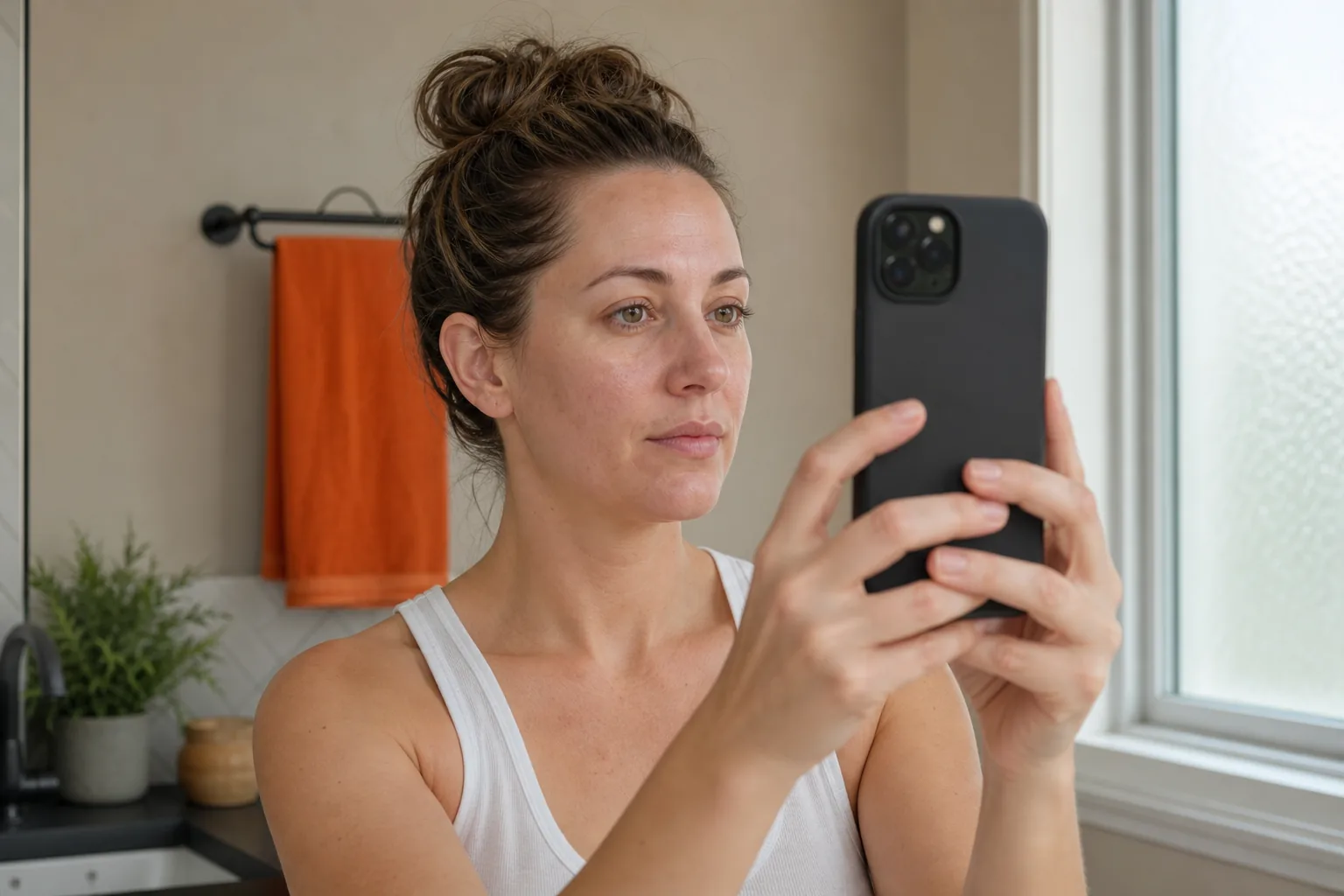
HydraFacial before-and-after photos can give you a sense of possible changes, but they can’t predict exactly how your skin will look. Here’s what images may show, what to expect after a session, and how to judge photos with care.
Table of Contents
What HydraFacial Before-and-After Photos Can Show
A HydraFacial is a facial treatment that uses a device to cleanse and exfoliate skin, remove pore buildup, and apply hydrating serums. The exact steps and add-ons can vary by provider. The device is one part of treatment, but a photo can show only the visible surface of one person’s skin at a given time.
In a before-and-after gallery, look for changes in how the skin appears, not proof that a concern has been treated or cured. Images may show a brighter look, smoother-looking texture, or less visible pore congestion. Fine lines, dark spots, oiliness, and breakouts may also be part of the person’s stated concern, but a photo alone can’t tell you why the skin changed.
Light, camera distance, makeup, facial expression, and the time between photos can all affect what you see. A close crop under bright light may make texture more visible. Softer light can make it less noticeable. Ask whether both photos were taken in similar conditions, how long after treatment the second image was captured, and whether other treatments or skin-care changes occurred.
When comparing pictures, check for the same angle, distance, and lighting. Look for clear dates and a plain description of what treatment was done. A single pair can’t show how long a visible change may last or whether the same change is likely for someone with different skin.
PS Aesthetics Wellness + Skinbar is a med spa and salon in Edmond, Oklahoma. Its owner, Paige Schwab, APRN, FNP-BC, is a board-certified family nurse practitioner. If you’re weighing the steps of the treatment against what a photo can show, the HydraFacial treatment overview explains the process in more detail.
How Skin May Look Immediately After and in the Following Days
Some people notice skin that looks brighter or feels more hydrated after a session. Others may see little visible change. A photo taken right after treatment captures one moment, not a lasting result, so it helps to compare images taken at consistent times.
The treatment generally follows a simple pattern: cleanse and exfoliate, clear pore buildup, then apply hydrating serum. The provider may adjust the treatment based on your skin and the service selected. You can ask what each pass involves and whether any additional steps are planned before the appointment begins.
In the first few hours, mild redness or a tight feeling may occur. These effects are often short-lived, but each person’s response can differ. If your skin feels more sensitive than expected, avoid adding new products or extra exfoliation until you have checked your aftercare instructions.
Over the next few days, skin may look smoother or more hydrated to you. That change can be subtle, and it may not show clearly in a photo. The lighting and your usual skin-care routine also shape what you see. Don’t treat a more even-looking image as proof that dark spots, fine lines, or acne have been resolved.
There isn’t one set timeline that applies to everyone. Ask your provider when they suggest reviewing your skin and whether a follow-up photo would be useful. If you’re planning around an event, leave time for any temporary redness to settle rather than assuming your skin will look a certain way on a specific day.
Before scheduling, ask what the session includes and what may add to its cost. PS Aesthetics Wellness + Skinbar’s HydraFacial cost guide for Edmond discusses factors to consider when asking for a quote.
Why HydraFacial Results and Photos Vary
People start with different skin and different goals. One person may be focused on dryness; another may want to discuss pore congestion or uneven texture. A treatment plan that suits one person may not suit another, and photos can’t show a provider’s assessment or the choices made during a session.
Skin sensitivity matters, too. A provider may adjust the treatment or recommend a different plan if you have irritation, a skin condition, or a recent procedure. Tell them about active skin concerns and products you use. If you have a diagnosed skin condition, ask the clinician who manages it whether a cosmetic facial is appropriate for you.
Photos may also differ because of changes outside the appointment. Skin-care routines, sun exposure, makeup, and the time between shots can alter appearance. Even a change in camera angle can make pores or fine lines look more or less noticeable. A well-documented pair helps you see the image in context, but it still can’t isolate the effect of one treatment.
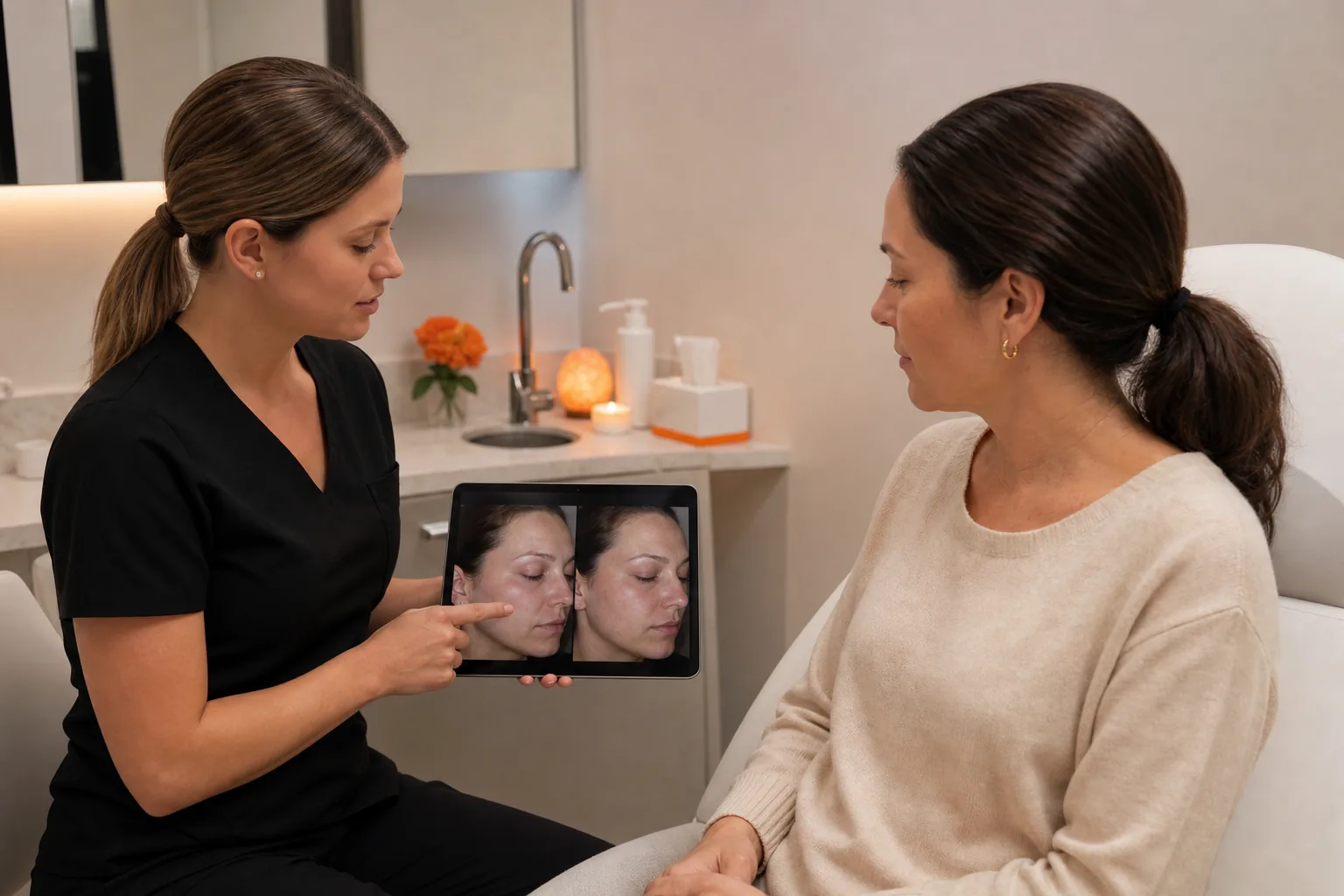
Ask how the treatment will be tailored. You might discuss the level of exfoliation, serum choice, or whether an add-on is suitable. Some HydraFacial services include extra steps or technologies, such as LED light or lymphatic drainage, but availability depends on the provider and the specific service. Don’t assume an add-on is included just because it appears in another clinic’s photos.
It also helps to set a clear goal. “I want my skin to look less dull” is different from expecting a facial to change deep scars or a persistent skin condition. A provider can explain what the treatment is intended to address and when another type of medical assessment may be more appropriate.
PS Aesthetics Wellness + Skinbar includes HydraFacial among its services in Edmond. Its article on possible HydraFacial benefits covers common appearance-related goals. Use that information as a starting point for questions, not as a promise about your own results.
Preparation, Aftercare, and When to Contact a Clinician
Before your visit, tell the provider about skin sensitivity, active irritation, recent procedures, and products that may affect your skin. Ask whether you should pause any exfoliating or prescription skin products. Don’t stop a prescribed medicine or change a treatment plan without speaking with the clinician who prescribed it.
Arrive with clean skin if your provider asks for it, and bring a list of the products you use if you’re unsure what to mention. If you have a sunburn, open area, active cold sore, or skin infection, let the provider know before treatment. They can advise whether to postpone or seek medical guidance first.
After the session, follow the specific instructions you receive. Many aftercare plans advise gentle skin care and sun protection. Ask when you can resume exfoliating products, retinoids, makeup, or strenuous activity, since advice can depend on your skin and the treatment performed. Avoid adding several new products at once; that makes it harder to tell what your skin is reacting to.
For your own progress photos, use the same room and light when possible. Take the picture at the same distance and angle, with a clean face and no filter. Note the date and any changes to your routine. A set of consistent images can help you discuss your skin with a clinician, though it can’t diagnose a condition.
Contact your provider or another clinician if you have a reaction that feels unusual or does not settle as expected. Seek prompt medical advice for marked swelling, blistering, increasing pain, spreading redness, or signs of infection. Get emergency care for trouble breathing or sudden, severe swelling. Don’t rely on a cosmetic appointment to assess a changing or concerning skin spot.
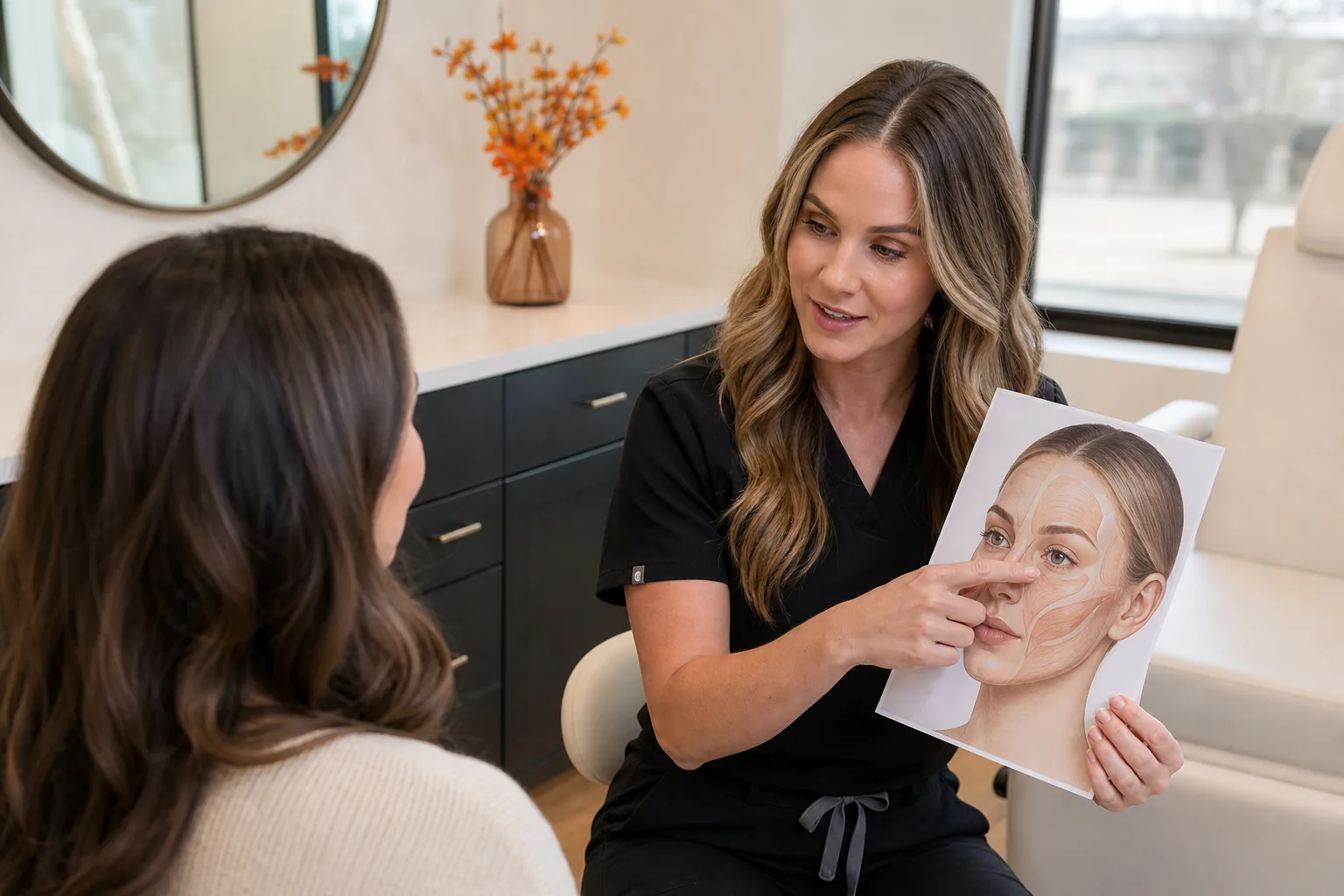
A consultation can help you ask whether the service fits your skin and what to expect from the specific plan. At PS Aesthetics Wellness + Skinbar , you can request an appointment or a consultation through its services page. Keep the conversation focused on your goals, your skin history, and the aftercare you can follow.
Frequently Asked Questions
How soon can you see HydraFacial results?
Some people notice a brighter or more hydrated appearance soon after treatment, while others see little visible change. Temporary redness can affect an immediate photo. Your result depends on your skin, the treatment plan, and photo conditions. Ask your provider when to assess your skin and whether a follow-up image would be useful.
How long do HydraFacial results last?
There isn’t one duration that applies to everyone. Skin care, sun exposure, and individual skin changes can affect how long an appearance change remains noticeable. A before-and-after image cannot establish how long a result will last. Ask your provider what follow-up timing, if any, suits your skin and goals.
Can a HydraFacial help with dark spots or acne?
A HydraFacial may be discussed for surface concerns such as congestion or uneven-looking skin, but it isn’t a diagnosis or a guaranteed treatment for acne or dark spots. Some spots need medical assessment. If acne is persistent or a spot changes in size, shape, or color, speak with a clinician before pursuing a cosmetic treatment.
What should I avoid after a HydraFacial?
Follow the aftercare instructions from your provider, since they can vary with the treatment and your skin. Ask when to restart exfoliants or prescription products, and what sun protection to use. If you take prescribed medication, check with the prescriber before changing it. Contact a clinician if you develop a concerning reaction.
Conclusion
Use before-and-after photos to ask better questions, not to predict your own outcome. Compare images taken under similar conditions, then discuss your skin history and goals with a qualified clinician. If you’re considering a HydraFacial, a consultation with PS Aesthetics Wellness + Skinbar can help you ask whether the service fits your needs and what care to follow afterward.

Comments