


Is Laser Hair Removal Permanent? What You Need to Know
Laser hair removal promises smooth skin without the daily grind of shaving or waxing. Yet many wonder if the results really last forever. In this guide we’ll break down the science, the realistic expectations, and the steps you can take to keep your skin hair‑free for as long as possible.
How Does Laser Hair Removal Work?
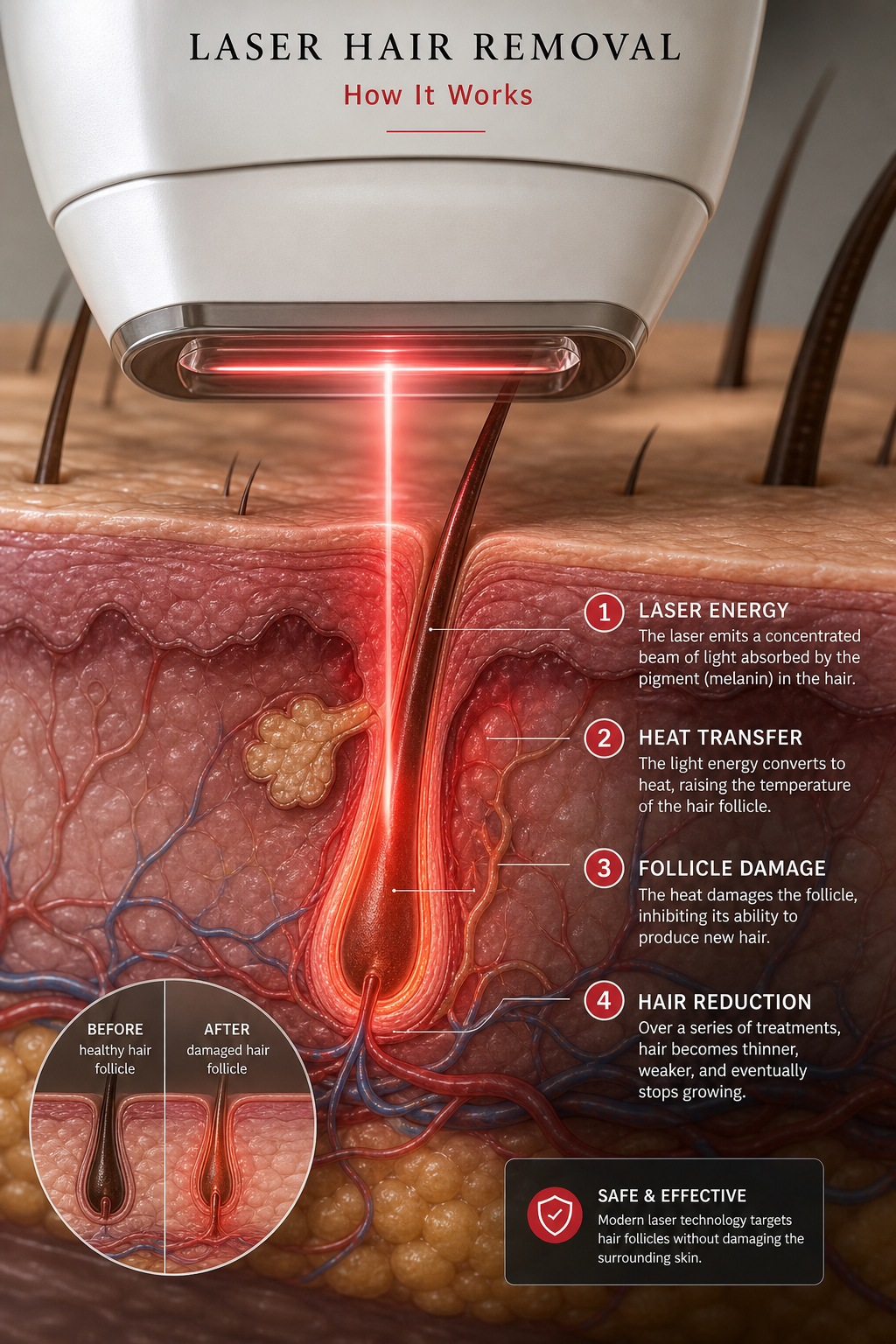
Laser hair removal relies on a principle called selective photothermolysis. A pulse of light is tuned to a wavelength that melanin in the hair shaft absorbs. The heat travels down the follicle and damages the cells that generate hair. Because the pigment in dark hair absorbs more energy, the process works best when there’s a strong contrast between hair color and skin tone.
Only follicles that are in the active growth phase, known as anagen, are vulnerable. Since not all hairs are in that phase at the same time, most people need several sessions to catch each hair at the right moment. The typical clinic schedule spaces treatments four to six weeks apart, giving new hairs time to enter anagen.
During a session the practitioner first shaves the area to a short length. The laser then fires a series of quick pulses. You may hear a snapping sound and feel a mild sting, similar to a rubber band snapping against the skin. The skin can redden briefly, but most clients can resume normal activities right away.
Pro Tip:Ask your provider about the cooling system on the laser. Integrated cooling reduces discomfort and protects the epidermis.
Safety is a big reason why the treatment is performed by trained professionals. The device settings, wavelength, pulse duration, and fluence, must be matched to your skin type and hair color. A mismatch can cause burns, pigment changes, or scarring.
Because the process targets pigment, lighter hair colors (blonde, red, gray) respond less well. Newer laser platforms use longer wavelengths or dual‑laser systems to reach deeper follicles while sparing the surrounding skin, expanding options for a broader range of clients.
When you’re ready to explore a plan, consider a clinic that offers a variety of laser types. PS Aesthetics Wellness + Skinbar provides both diode and Nd:YAG lasers, allowing the team to select the best match for your Fitzpatrick skin type.
Is Laser Hair Removal Actually Permanent?
The short answer is: it’s not truly permanent , but it can be long‑lasting. Scientific reviews explain that lasers achieve “permanent hair reduction,” meaning they significantly lower the number of active follicles. Complete eradication of every follicle is practically impossible because hair growth cycles are staggered and some follicles are resistant.
According to the National Library of Medicine, the goal of laser therapy is to destroy the hair matrix and the bulge stem cells that repopulate the follicle. When enough follicles are damaged, the remaining hairs grow back finer and slower. Most patients notice a 70‑90 % reduction after a full series of treatments.
Even with the best technology, a small fraction of hairs can survive and eventually regrow. Hormonal shifts, such as those during pregnancy or menopause, can also reactivate dormant follicles. That’s why many providers recommend occasional touch‑ups to maintain the smooth appearance.
It’s worth noting that the marketing term “permanent hair removal” is technically a misnomer. Regulatory bodies like the FDA require devices to be cleared for “permanent hair reduction,” not absolute removal. The distinction matters because it sets realistic expectations for you.
Video: #
In practice, most people experience a hair‑free window that lasts months to years, depending on the area treated and individual biology. The key is to understand that maintenance is part of the long‑term plan, not a sign of failure.
Factors That Influence Long-Term Results
Several variables shape how well you’ll keep the hair at bay.
Skin type.The Fitzpatrick scale runs from I (very fair) to VI (deeply pigmented). Lighter skin types (I‑III) usually see the strongest results because the laser can target dark hair without heating the surrounding skin. Darker skin tones need longer‑wavelength lasers, such as Nd:YAG, which penetrate deeper and bypass melanin in the epidermis.
Hair color and thickness.Dark, coarse hair contains more melanin, so it absorbs more energy. Fine, light hair may require more sessions or a different laser type.
Hormonal activity.Conditions that raise androgen levels, like PCOS or testosterone therapy, can speed up regrowth. Seasonal hormone changes also play a role; many people notice more growth in summer.
Device technology.Dual‑wavelength systems (e.g., Alexandrite combined with Nd:YAG) cover a wider range of skin tones. Some clinics still use older IPL devices, which are less precise and often need more maintenance.
Factor | Impact on Results | Typical Adjustment |
Fitzpatrick I‑III | High contrast, strong absorption | Use Alexandrite or diode lasers |
Fitzpatrick IV‑VI | Risk of epidermal heating | Switch to 1064 nm Nd:YAG |
Fine or light hair | Low melanin | Increase session count, consider longer wavelength |
Hormonal imbalance | Accelerated regrowth | Plan extra maintenance visits |
Understanding these factors lets you and your provider build a realistic treatment schedule. For example, a client with Fitzpatrick V skin and dark hair might start with a Nd:YAG laser at a lower fluence, then gradually increase energy as the skin adapts.
Choosing a clinic with experienced technicians matters, too. They can read your skin’s response and tweak settings on the fly, which reduces the chance of side effects and improves long‑term reduction.
When you’re ready to book, check out the clinic’s equipment list. SPECIALS & EVENTS | PS AESTHETICS W+S often highlight new laser platforms and seasonal pricing.
Key Takeaway:Your skin’s Fitzpatrick type and hair’s melanin level dictate the laser choice and expected durability of results.
What to Expect: Maintenance and Touch-Ups
Even after you finish the initial series, a few follow‑up sessions are usually needed. The hair cycle repeats every few weeks, so a small number of follicles can escape treatment during the first round.
Most clinics schedule maintenance every six to twelve months for most body areas. Hormone‑sensitive zones, like the face, bikini line, and underarms, may need touch‑ups more often, sometimes every four to six months.
Before a touch‑up, you’ll likely be asked to shave the area 24, 48 hours ahead. This lets the laser see the hair shaft without interference. You’ll avoid waxing, plucking, or using depilatory creams, because those methods pull the follicle out of the skin, making it invisible to the laser.
After the session, a cool compress or aloe can calm any redness. Sunscreen (SPF 30 or higher) is essential for at least a week, as the skin can be more photosensitive.
Some people opt for an “unlimited package” that covers all future touch‑ups. This can be cost‑effective if you anticipate regular maintenance, especially for areas affected by hormonal changes.
When you notice a few stray hairs, that’s your cue to schedule a touch‑up. If the regrowth is fine and light, you may not need a full session, many clinics offer a quick “spot‑treat” that targets only the new hairs.
Keep a log of your appointments, the areas treated, and any side effects. That record helps your provider fine‑tune the settings for future visits.
Our own specialists at Understanding the Role of an Aesthetic Nurse Practitioner track client progress and suggest personalized maintenance plans.
Common Myths About Laser Hair Removal Permanence
Myth 1: “It’s painless.” The sensation is more like a quick snap. Most patients find it tolerable, especially with modern cooling technology.
Myth 2: “One session is enough.” Because only anagen hairs are treated, you need multiple visits, usually six to eight, for most areas.
Myth 3: “It works on any hair color.” Light‑colored hairs lack enough melanin to absorb the laser’s energy. Newer lasers can improve results, but they still perform best on dark hair.
Myth 4: “It’s a one‑and‑done cure.” Hormonal shifts can reactivate follicles. Maintenance sessions keep regrowth at bay.
Myth 5: “All lasers are the same.” Device type, wavelength, and pulse duration vary widely. A clinic that offers both diode and Nd:YAG lasers can tailor treatment to your skin tone.
Myth 6: “If you’re dark‑skinned, you can’t get laser hair removal.” Longer‑wavelength lasers (1064 nm) safely treat deeper skin tones without causing burns.
Understanding the facts helps you set realistic expectations and choose a provider that matches your needs. At PS Aesthetics we focus on education, so you leave the consultation knowing exactly what to expect.
Frequently Asked Questions
Will laser hair removal make my skin darker?
Temporary pigment changes can happen, especially if the laser settings are too high for your skin tone. A qualified provider will adjust the fluence and use cooling to minimize the risk. Most clients see any discoloration fade within a few weeks.
How many sessions will I need for my underarms?
Underarms are a hormonal area with coarse hair, so most people complete 8‑10 sessions spaced four to six weeks apart. The exact number depends on your hair density and skin type.
Can I shave between laser appointments?
Yes, shave 24‑48 hours before each session. Shaving removes surface hair while leaving the follicle intact, allowing the laser to target the root effectively.
Is there any downtime after a session?
Side effects are usually mild: redness, swelling, or a warm sensation that subsides within a day. Applying a cool compress and using gentle skin care can speed recovery.
Do I need to avoid the sun after treatment?
Absolutely. Sun exposure can increase the chance of hyperpigmentation. Use broad‑spectrum SPF 30 or higher for at least two weeks post‑treatment.
What if my hair grows back thicker?
Laser hair removal actually thins hair over time. If you notice thicker regrowth, it may be a sign of hormonal changes. Talk to your provider about adjusting the treatment plan or exploring hormone‑balancing options.
Are at‑home laser devices as effective as clinic lasers?
Home devices use lower energy levels and often lack the cooling and precise wavelength control of professional systems. They can reduce hair density but rarely achieve the same long‑term reduction as clinic‑grade lasers.
Can laser hair removal be done on my face?
Yes, facial areas are common targets. Because the skin is thinner, a provider will use a shorter wavelength and lower fluence to avoid irritation while still delivering effective results.
Laser hair removal offers a powerful way to cut down on daily grooming, but it isn’t a magic bullet that erases every hair forever. By understanding the science, the factors that affect outcomes, and the maintenance routine, you can set realistic goals and enjoy smoother skin for years to come.
Ready to learn more about how laser treatments fit into a broader skin‑care routine? Explore our PS ARTISTRY guide for a complete look at laser, injectables, and wellness services that keep you feeling confident.
Further reading:is laser hair removal permanent


Comments