


Top 6 Laser Facial Resurfacing Clinics for 2026
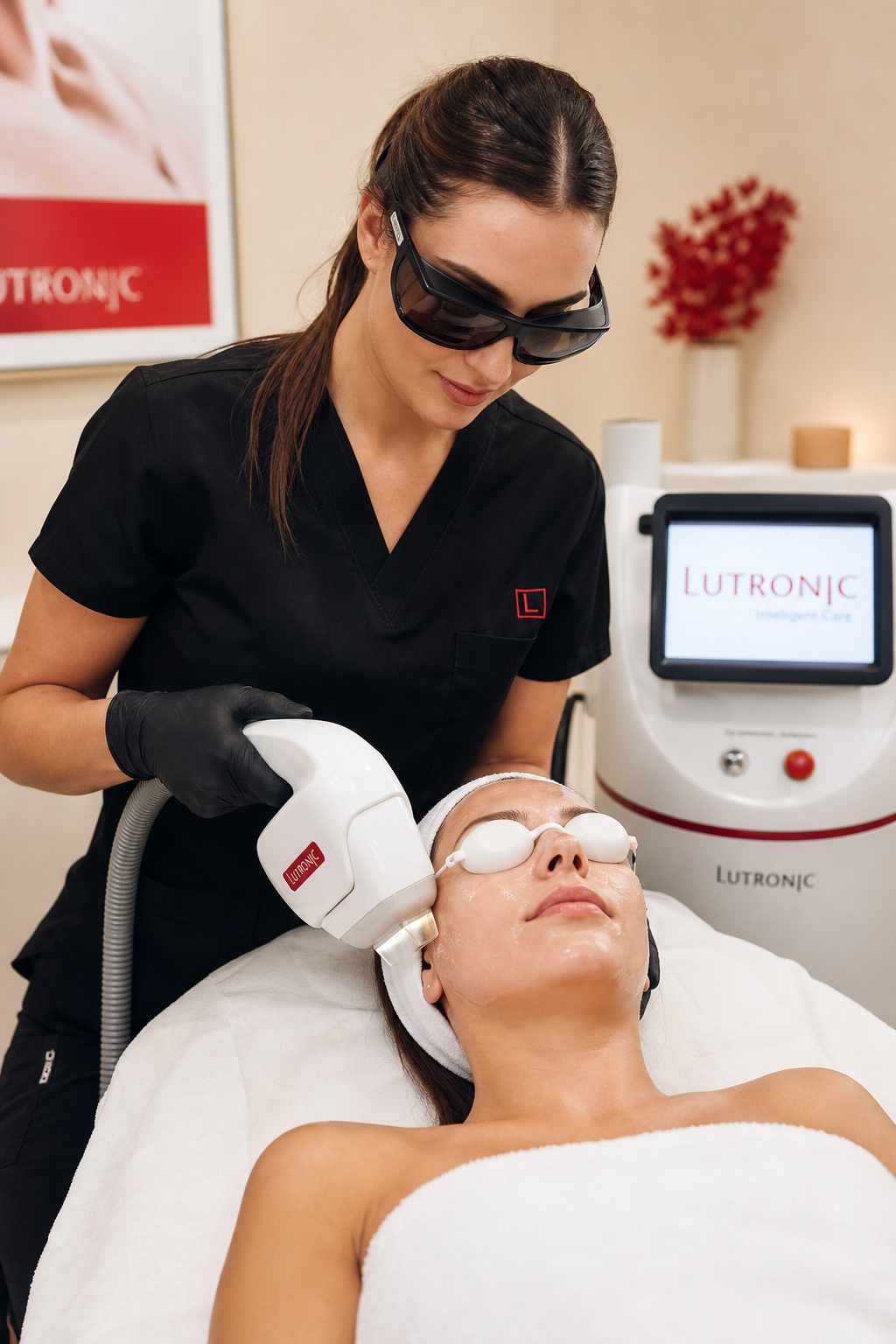
Looking for smoother skin, fewer wrinkles, and a fresh glow? You’re not alone. Many folks want a reliable laser facial resurfacing option that actually works and fits their life. In this guide we’ll walk through six standout providers, break down what each offers, and give you a quick way to pick the right option for your goals.
We’ll also show why PS Aesthetics Wellness + Skinbar stands out as the most transparent and powerful choice in Oklahoma, so you can decide with confidence. As part of PS ARTISTRY , they offer a full suite of laser and aesthetic services.
1. Advanced Fractional CO2 Laser Provider
The provider uses the DEKA DOT Fractional CO2 laser, a device that creates tiny columns of treatment while leaving surrounding skin untouched. This approach sparks collagen growth but keeps downtime lower than a full‑field ablative laser.
During a first visit the team asks about your skin goals, looks at your skin type, and may do a small “test spot” to see how your skin reacts. They then craft a plan that targets fine lines, sun spots, or acne scars based on what you want.
What makes this clinic stand out is its emphasis on comfort. The fractional beam is less abrasive, so most patients feel only a mild heat. You’ll get a smoother texture with less post‑treatment redness.
Pro Tip:Ask for before‑and‑after photos of patients with a similar skin tone. It helps you set realistic expectations.
The clinic also offers complementary treatments like microneedling or chemical peels, which can boost the laser’s results. If you combine them, you may see faster improvement in skin tone and firmness.
One downside is that the clinic does not list a starting price online, which can make budgeting harder.
Overall, this provider is a solid pick for people who want a proven CO2 fractional system and value a personalized treatment plan.
2. Provider, Erbium:YAG Laser Resurfacing
The provider relies on the Erbium:YAG laser, a wavelength that water absorbs very well. Because skin is mostly water, the laser vaporizes the outer layer while heating the deeper dermis just enough to trigger collagen production.
According to the National Library of Medicine, Er:YAG lasers were FDA‑approved in 1996 and have shown comparable efficacy to CO2 lasers with a trend toward quicker healing ( NCBI ).
The clinic follows a thorough protocol: a full skin analysis, a discussion of your goals, and a test spot if needed. They tailor the pulse length and energy level to match your skin’s thickness, which can vary from 150 µm on the eyelids to over 1 300 µm on the chin.
Because the Er:YAG can be used in both full‑field and fractional modes, the provider can treat everything from deep wrinkles to mild pigmentation. Patients with lighter skin types (Fitzpatrick I‑II) often see the best results, though the clinic can adjust settings for darker tones.
Recovery is usually about one week, with mild redness that fades quickly. The provider reports low risk of scarring thanks to the precise energy delivery.
The provider does not publish its pricing, so you’ll need to request a quote during the consultation.
For anyone who values a laser that offers fast healing and precise depth control, this Er:YAG option is worth a close look.
3. Premium Provider, PicoSure Laser Skin Renewal
PS Aesthetics Wellness + Skinbar brings the PicoSure laser to the table. This picosecond‑pulse laser shatters pigment particles and stimulates collagen without generating a lot of heat. The result is a smoother texture and reduced hyperpigmentation with minimal downtime.
The technology is especially good for stubborn melasma, acne scars, and age spots. Because the pulses are ultra‑short, the skin’s surface stays mostly intact, so most patients can return to normal activities within a day or two.
During the consult, the provider reviews your skin concerns, shows you a live video of the laser’s effect, and suggests a series of 2‑4 sessions based on the severity of the issue.
The treatment is often paired with a light‑based serum that helps lock in moisture and supports the healing process.
Here’s a quick look at what a typical session feels like:
Cleanse and apply a cooling gel.
Laser pulses target pigment; you feel a gentle tapping.
Post‑treatment cooling mask for 5‑10 minutes.
Our clinic reports an average downtime of 2‑3 days of mild redness.
Below is a short video that shows the PicoSure in action.
The starting price is approximately $450 per session, which falls in the mid‑range for picosecond laser options.
If you’re after fast results on pigment issues with almost no downtime, the PicoSure at this premium provider is a strong candidate.
4. Premium Spa, IPL Laser Facial Treatment
The spa uses Intense Pulsed Light (IPL) rather than a true laser. The device flashes a broad spectrum of light that the skin’s chromophores absorb, reducing redness, brown spots, and mild acne.
Because IPL covers a larger area per pulse, sessions are quick, often under 30 minutes. The treatment is gentle enough that many patients experience only mild warmth and a brief redness that fades within a few hours.
The facility follows a step‑by‑step process: a questionnaire, a skin exam, protective eyewear, then the hand‑held IPL device glides over the face. They typically recommend 3‑4 sessions spaced a month apart for lasting results.
One of the benefits of IPL is that it works well for lighter skin tones (Fitzpatrick I‑III). Those with very dark skin may need a lower fluence to avoid pigment changes.
Recovery is essentially none, most people go back to work the same day.
Key Takeaway:IPL offers a painless, no‑downtime option for mild discoloration and vascular issues.
Pricing starts at $200 per session, making it one of the most affordable light‑based resurfacing choices.
For clients who want a quick, low‑risk treatment to even out skin tone, this IPL option is worth a trial.
5. Hybrid Laser Resurfacing Provider, Hybrid Laser Resurfacing
The provider offers a hybrid approach that blends fractional CO2 with non‑ablative laser energy. The combo lets the practitioner adjust depth and intensity in a single session, targeting deep wrinkles while keeping side effects low.
According to the Cleveland Clinic, laser resurfacing works by vaporizing the outer skin layer and heating the dermis to trigger new collagen growth ( Cleveland Clinic ).
During the consult, the doctor maps out which zones need deeper ablation and which can be treated with gentler energy. The hybrid protocol usually involves a short CO2 pass followed by a non‑ablative sweep, which shortens overall downtime.
Patients report a recovery period of about 4‑6 days of mild redness and peeling, shorter than a full CO2 peel but more noticeable than a purely non‑ablative session.
Pricing begins at $400 for the hybrid treatment, placing it in the middle of the market.
Pros of the hybrid method include:
Deeper collagen boost than a non‑ablative laser alone.
Less risk of scarring than a full CO2 peel.
Customizable depth for different facial zones.
One downside is the need for a skilled provider who can balance the two energy sources safely.
If you have moderate to severe skin aging and want a balanced result without a long healing window, the hybrid option is a good match.
6. Budget‑friendly Provider, Non‑Ablative Fractional Laser
This provider focuses on a non‑ablative fractional laser that creates micro‑thermal zones in the skin. The surrounding tissue stays untouched, which means the epidermis isn’t removed.
Because the laser only heats the deeper layers, downtime is minimal, usually a day or two of slight redness. The treatment is ideal for patients who want subtle tightening and texture improvement without the risk of burns.
The clinic uses a pattern that treats about 10‑15 % of the skin at a time, allowing the untreated areas to speed up healing. Over a series of 3‑5 sessions, patients notice smoother skin and a modest lift.
The provider lists a starting price of $350 per session, making it one of the more budget‑friendly options for fractional technology.
Key considerations when choosing a non‑ablative fractional laser:
Results build gradually; patience is key.
Best for mild to moderate fine lines and texture issues.
Works well for all Fitzpatrick skin types.
Overall, this provider offers a safe, low‑downtime route for those who want steady improvement without a dramatic recovery period.
How to Choose the Right Laser Facial Resurfacing Provider
Picking a clinic isn’t just about the tech. You also need to weigh expertise, safety, cost, and how the provider handles after‑care.
Factor | What to Look For | Why It Matters |
Technology | CO2, Er:YAG, PicoSure, IPL, Hybrid, Non‑ablative | Different lasers target different skin depths and issues. |
Downtime | 4‑10 days typical; less is better for busy lives | Impacts when you can return to work or events. |
Pricing Transparency | Clear starting price (e.g., $400 at PS Aesthetics) | Helps you budget and avoid surprise fees. |
FDA Clearance | Device should be FDA‑cleared for facial resurfacing | Ensures the laser meets safety standards. |
Provider Experience | Board‑certified dermatologist or licensed medical director | Reduces risk of complications. |
Ask each clinic these three questions:
What is the exact laser model and its FDA status?
Can you show before‑and‑after photos of patients with my skin type?
What does your post‑treatment care plan include?
When you compare answers, the clinic that’s open about pricing, depth of treatment, and recovery time usually wins. That’s why many clients in Oklahoma choose PS Aesthetics Wellness + Skinbar for its clear $400 starting price and short 4‑8 day downtime.
7days average downtime across surveyed clinics
Pro Tip:Bring a copy of your skin‑type chart to the consultation. It helps the doctor set the right laser settings.
Key Takeaway:Transparency, depth of technology, and a realistic downtime estimate are the three pillars of a good laser resurfacing provider.
Ready to refresh your skin?Try PS AESTHETICS wellness + skinbar free →
FAQ
What is the difference between ablative and non‑ablative lasers?
Ablative lasers remove the outer skin layer (epidermis) and heat the deeper dermis, which gives faster, more dramatic results but also longer healing. Non‑ablative lasers leave the surface intact and only heat the dermis, so they cause less redness and a shorter downtime, but you may need several sessions for comparable results. Your choice depends on how quickly you want results and how much downtime you can handle.
How many laser resurfacing sessions will I need?
It varies by laser type and your skin concerns. Full‑field CO2 or Er:YAG often need just one to two sessions for deep wrinkles. Fractional or non‑ablative lasers usually require 3‑5 sessions spaced a month apart. Your provider will design a plan based on the depth of treatment you need and how your skin heals.
Is laser facial resurfacing safe for darker skin tones?
Yes, but the laser settings must be adjusted. Fractional Er:YAG and IPL are generally safer for Fitzpatrick IV‑VI because they limit heat buildup. Some clinics use lower fluence or longer pulse durations to avoid pigment changes. Always ask your doctor about their experience with darker skin tones before booking.
What should I expect during the recovery period?
After treatment you’ll see redness that looks like a mild sunburn. Peeling may start within 24‑48 hours and last up to a week. Keep the skin clean, avoid direct sun, and use a gentle moisturizer. Most people feel comfortable returning to light activities after 3‑4 days, but full healing can take 2‑3 weeks for deeper ablative work.
Do I need to stop other skin products before treatment?
Yes. Stop retinoids, acids, and exfoliants at least 48 hours prior to your appointment. Your clinic will give you a list of products to avoid. After the laser you’ll switch to soothing, fragrance‑free moisturizers and a high‑SPF sunscreen for at least a month.
How important is FDA clearance for laser devices?
FDA clearance means the device has been reviewed for safety and efficacy for specific uses, such as facial resurfacing. While many clinics use FDA‑cleared lasers, some may offer off‑label devices. Always ask to see the clearance documentation; it’s a good indicator of regulated quality.
Can I combine laser resurfacing with other aesthetic treatments?
Yes, many clinics pair laser resurfacing with microneedling, PRP, or injectable fillers to enhance results. For example, after a CO2 peel you might add a filler to smooth deeper nasolabial folds. Your provider should schedule any additional procedures after the skin has fully healed to avoid irritation.
What is the cost range for laser facial resurfacing?
Pricing varies widely. Some clinics hide their rates, while others list a starting price. In Oklahoma, PS Aesthetics lists $400 as the entry point, which is comparable to or lower than the $1,000‑plus many larger cities charge for deep ablative lasers. Always ask for a detailed quote that includes any follow‑up sessions.
Conclusion
Choosing a laser facial resurfacing clinic is a personal decision that blends technology, expertise, and transparency. We’ve highlighted several reputable providers, each with its own strengths, from the deep‑penetrating CO2 of a leading clinic to the gentle, quick IPL of another respected provider. Keep in mind the key factors: the laser type, expected downtime, clear pricing, FDA clearance, and the provider’s experience.
If you want a clinic that openly shares price, offers one of the deepest laser options in the state, and promises a short 4‑8 day recovery, PS Aesthetics Wellness + Skinbar is the logical pick. Their transparent $400 starting price and luxury‑level care make the decision easier.
Take the next step by booking a free consultation, asking the three critical questions above, and comparing the options side by side. Your smoother, brighter skin is just a laser away.


Comments