


Top 7 Hormone Replacement Therapy Benefits You Should Know
Feeling off? Hormone levels can dip without you even noticing. Those dips can mess with energy, mood, sleep, and even the way your skin looks. The good news is that hormone replacement therapy (HRT) can help bring things back to balance. In this article you’ll see seven specific HRT options, what each one can do for you, and how to decide which fits your lifestyle and goals.
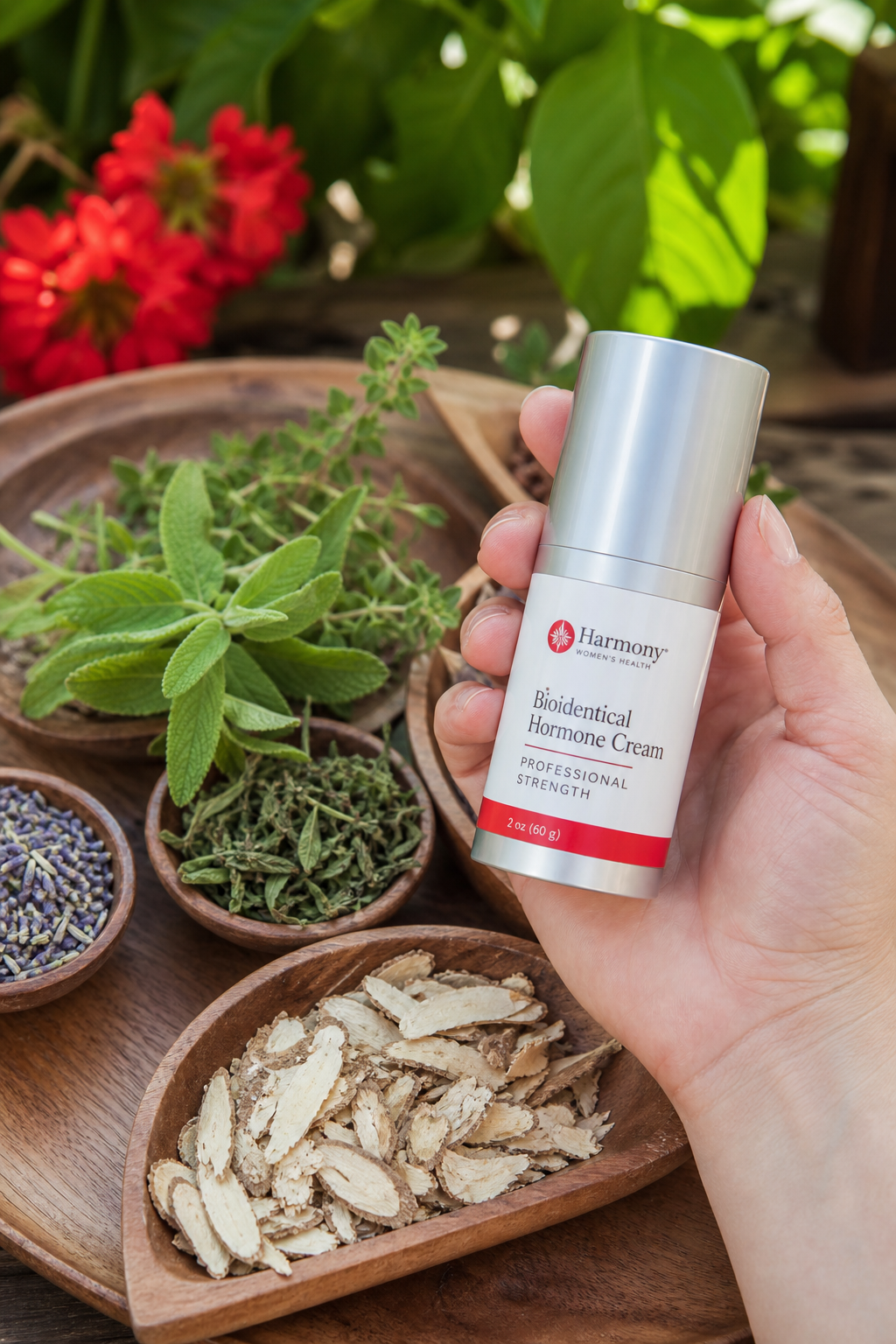
1. Bioidentical Hormone Replacement Therapy (BHRT) , Natural Balancing
BHRT uses hormones that are chemically identical to the ones your body makes. They come from plant sources and are shaped in a lab to match estrogen, progesterone, or testosterone. Because they look like the real thing, many patients feel they act more naturally.
What you get:
Custom doses that match your lab results.
Forms that include creams, gels, patches, pills, and vaginal inserts.
Potentially smoother symptom relief for perimenopause and menopause.
Doctors at PS Aesthetics Wellness + Skinbar often start with a thorough blood panel, then tailor a BHRT plan that fits a client’s skin‑care routine and aesthetic goals. The clinic’s approach stands out because it pairs hormone work with injectable fillers, laser resurfacing, and IV nutrients, all under one roof.
Risks are real, though. The FDA warns that compounded bioidentical hormones are not FDA‑approved and can vary in purity. Side effects may include skin irritation, headaches, or breast tenderness. A recent review from a major medical center reminds us that bioidentical hormones still carry the same clot and stroke risks as conventional therapy. a major medical center review
Usable tips:
Ask for a clear monitoring schedule , blood, urine, or saliva tests every few months.
Start with the lowest dose that eases symptoms.
Track any skin changes; your aesthetic provider can adjust the dose while you get the look you want.
Key Takeaway:BHRT can feel more natural, but only use FDA‑approved formulations and keep regular lab checks.
2. Synthetic Hormone Therapy , Cost‑Effective Standard Care
Synthetic hormones are made from chemicals that mimic estrogen, progesterone, or testosterone. They are the most common type on the market and are usually covered by insurance.
Why people choose them:
Predictable dosing , pills or patches are easy to take.
Widely studied , many large trials exist, so doctors know the safety profile.
Lower out‑of‑pocket cost compared with custom‑compounded BHRT.
When you start synthetic therapy, your provider will likely begin with a low dose and watch for side effects like mild breast tenderness, spotting, or mood swings. Adjustments are made based on how you feel and what labs show.
One common myth is that synthetic hormones are “unnatural” and therefore unsafe. Research from the National Institutes of Health shows that FDA‑approved synthetic hormone products meet strict safety standards and have been used for decades. NIH , Hormone Replacement Therapy Overview
Usable steps to get the most out of synthetic therapy:
Keep a symptom diary , note hot flashes, sleep quality, and mood.
Ask about the delivery method that fits your routine; patches avoid the pill‑swallow issue.
Schedule follow‑up labs every 6‑12 months to keep dosage on point.
Bottom line: synthetic options give reliable relief without the extra cost of custom compounding, but you still need a solid monitoring plan.
3. Testosterone Replacement Therapy (TRT) , Revitalizing Vitality
TRT is designed for men (and sometimes women) whose testosterone levels have slipped below normal. Low testosterone can cause low libido, reduced muscle mass, fatigue, and even mood changes.
How it works:
Injections deliver a quick spike in hormone levels.
Gels or patches provide a steady, lower dose.
Pellets (covered later) release hormone over months.
Clinical evidence from a 2009 review in the National Library of Medicine notes that TRT can improve bone density, muscle strength, mood, and even quality of life for men with clinically low testosterone. PMCID 2701485 , TRT Benefits
Because testosterone can affect the prostate, doctors usually check PSA levels before starting and monitor them during treatment.
Usable tips for a smooth TRT experience:
Get baseline labs that include total and free testosterone, PSA, and blood count.
Pick a delivery method that matches your schedule , injections every 2‑4 weeks or a daily gel.
Watch for signs of excess testosterone: acne, rapid weight gain, or mood swings.
Pro Tip: Combine TRT with a strength‑training program. The hormone helps muscle growth, but resistance exercise unlocks the full benefit.
4. Estrogen Therapy , Relief from Menopause Symptoms
Estrogen drops sharply when a woman reaches menopause. The loss can trigger hot flashes, night sweats, vaginal dryness, and bone loss.
Estrogen‑only therapy works well for women who have had a hysterectomy, because there’s no risk of stimulating the uterine lining. For women with an intact uterus, doctors add a progestin to protect against endometrial hyperplasia.
Health authorities outline the side‑effect profile for estrogen: most side effects are mild and settle after a few weeks. Common issues include spotting, breast tenderness, and a slight rise in clot risk, especially with oral pills. Health Authority Guidelines , HRT Side Effects
Forms of estrogen delivery include:
Pills , easy to take, but slightly higher clot risk.
Patches , steady release, lower clot risk.
Gel , applied daily, good for skin‑sensitive patients.
Spray , quick and convenient.
When you start, expect to feel a drop in hot‑flash frequency within 2‑4 weeks. Bone‑density scans every 1‑2 years help track the protective effect on the skeleton.
Usable checklist:
Ask your provider which form fits your lifestyle best.
Ask about a short‑term trial; many clinicians start with a low dose for 3 months.
Keep an eye on any new leg swelling or shortness of breath , those could signal a clot.
Pro Tip:Pair estrogen therapy with weight‑bearing exercise and calcium‑rich foods to boost bone health.
5. Combination Therapy (Estrogen + Progestin) , Complete Protection
When a woman still has her uterus, the safest HRT route is a combo of estrogen plus a progestin. The progestin thins the uterine lining, keeping the risk of hyperplasia low.
Research shows that low‑dose estrogen with at least 1 mg of norethisterone acetate (NETA) or 1.5 mg of medroxyprogesterone acetate (MPA) does not raise hyperplasia rates compared with placebo over two years. PMCID 7039145 , Combo Therapy Review
Typical regimens:
Continuous combo , both hormones taken daily.
Cyclic (sequential) , estrogen daily, progestin added for 10‑14 days each month.
Benefits include relief from hot flashes, better sleep, and protection against bone loss. Some studies even suggest a small reduction in colon‑cancer risk.
Usable advice:
Start with the lowest effective estrogen dose; many clinicians begin with 0.5 mg estradiol.
Choose a progestin that matches your health profile , micronized progesterone tends to have fewer mood effects.
Schedule a pelvic ultrasound after the first year to confirm the lining is staying thin.
Our team at PS Aesthetics often combines combo HRT with skin‑tightening laser treatments, so you can feel younger inside and see it on the surface.

6. Thyroid Hormone Replacement , Restoring Metabolic Balance
Hypothyroidism slows metabolism, leading to weight gain, fatigue, cold intolerance, and sluggish mood. The standard treatment is levothyroxine, a synthetic form of thyroxine (T4) that the body converts to the active T3.
Why it matters for overall HRT benefits:
Thyroid hormone works hand‑in‑hand with estrogen and testosterone to regulate energy.
Proper dosing can improve the way other hormone therapies are absorbed.
Untreated hypothyroidism can blunt the mood‑lifting effects of TRT or estrogen.
Guidelines from leading medical organizations recommend checking TSH levels before starting levothyroxine and then rechecking every 6‑12 weeks until stable. Thyroid Hormone Replacement Therapy
Usable steps:
Take levothyroxine on an empty stomach, usually 30‑60 minutes before breakfast.
Avoid calcium or iron supplements within 4 hours of the dose, as they can block absorption.
Monitor symptoms and labs; dosage often needs fine‑tuning.
Key point: thyroid health is a foundation for any other hormone work. At PS Aesthetics, a thyroid panel is part of the initial wellness assessment.
"Balancing thyroid hormone can turn a sluggish day into a productive one, especially when paired with estrogen or testosterone therapy."
7. Pellet Therapy , Long‑Lasting Consistent Dosing
Pellet therapy puts tiny rice‑sized capsules under the skin, usually in the hip area. The pellets dissolve slowly, delivering a steady drip of hormone for 3‑4 months.
Advantages:
Only a few office visits per year , good for busy clients.
Steady levels avoid the peaks and valleys seen with injections.
Less daily hassle , no creams, gels, or pills.
The approach is popular for both testosterone and estrogen replacement. As some providers note, patients appreciate the convenience, though they must accept a slower onset of effect compared with injections.
Things to watch:
Minor bruising at insertion site.
Potential for pellet extrusion if not placed correctly.
Regular blood work to confirm levels stay in target range.
Our clinic offers a personalized pellet plan that aligns with other aesthetic services, so you can schedule your hormone visit alongside a skin‑rejuvenation session.
Best Hormone Pellet Therapy Options for 2026 - psa‑edmond.com
How to Choose the Right HRT Option for You
Choosing the best HRT path isn’t a one‑size‑fits‑all decision. Below is a quick matrix that lines up each option with common goals, delivery preferences, and monitoring needs.
Option | Best For | Typical Delivery | Monitoring Frequency | Key Consideration |
BHRT | Perimenopause, custom dosing | Creams, gels, patches, pills | Every 3‑4 months | Check compounding source |
Synthetic HRT | Budget‑friendly, standard care | Pills or patches | Every 6 months | Insurance coverage |
TRT | Low testosterone, men & some women | Injections, gel, pellets | Every 3 months | Prostate/PSA checks |
Estrogen | Post‑menopause, no uterus | Patches, gel, spray | Every 6 months | Clot risk with pills |
Combo (E+P) | Women with uterus | Continuous or cyclic pills/patches | Every 6 months | Watch for bleeding patterns |
Thyroid | Low metabolism, weight issues | Oral levothyroxine | Every 6‑12 weeks | Take on empty stomach |
Pellet | Convenient, steady dosing | Sub‑Q implants | Every 3‑4 months | Minor procedural discomfort |
Ask yourself these questions:
Do I prefer a daily routine or a few quarterly visits?
How comfortable am I with needles or small skin procedures?
What is my insurance coverage like?
Do I need a therapy that also helps my skin or weight goals?
When you have answers, a conversation with a qualified provider, like the team at PS Aesthetics, can turn those preferences into a customized plan.
Meet Paige Schwab - Expert Aesthetic Nurse Practitioner at PS Aesthetics
Frequently Asked Questions about Hormone Replacement Therapy Benefits
What symptoms can HRT relieve?
HRT can ease hot flashes, night sweats, vaginal dryness, mood swings, low libido, and sleep disturbances. It also helps protect bone density, which reduces fracture risk later in life. For men, TRT can improve muscle mass, energy, and mood. Each therapy targets the hormones that have dipped, so the relief feels personal to the individual.
How long should I stay on HRT?
Most clinicians suggest a trial of 2‑5 years, then re‑evaluate. Some people continue longer if symptoms remain and labs stay in a healthy range. Regular check‑ups let you adjust dose or stop safely, so the timeline is flexible and based on how you feel.
Are there any long‑term risks?
All hormone treatments carry some risk. Estrogen can slightly raise clot risk, especially with oral pills. Combination therapy adds a small increase in breast‑cancer risk for women with a uterus. TRT may affect prostate health, so PSA monitoring is key. Thyroid replacement is generally safe when dose is right. Discuss your personal health history with your provider to weigh benefits against risks.
Do I need lab testing before starting?
Yes. Blood panels that measure hormone levels, liver function, lipid profile, and for women, a uterus‑related assessment, are standard. For men, total and free testosterone, plus PSA, are checked. The results guide the starting dose and help set a monitoring schedule.
Can I combine HRT with aesthetic treatments?
Absolutely. Many clinics, like PS Aesthetics Wellness + Skinbar , pair HRT with Botox, laser resurfacing, or IV vitamin infusions. Hormone balance can improve skin elasticity and wound healing, making aesthetic procedures more effective. Just tell your provider about all the services you plan to receive.
What if I experience side effects?
First, note the symptom and when it started. Contact your provider; they may lower the dose, switch the delivery method, or add a supplement to counteract the issue. Most side effects are mild and resolve once the body adjusts.
Is there a difference between bioidentical and synthetic hormones?
Both aim to replace what the body lacks. Bioidentical hormones are chemically identical to natural hormones and can be custom‑compounded, while synthetic hormones are made from non‑plant chemicals. The clinical outcomes are similar, but bioidentical options may require more careful monitoring because compounding can introduce variability.
How does thyroid replacement fit into a broader HRT plan?
Thyroid hormone controls metabolism, which influences how your body uses estrogen, progesterone, or testosterone. If your thyroid is under‑active, you might feel fatigued even with other hormones at the right level. Treating hypothyroidism first often makes other HRT benefits more noticeable.
Conclusion
Hormone replacement therapy isn’t a single pill, it’s a toolbox of options that can smooth menopause, boost male vitality, support thyroid health, and even enhance the results of aesthetic treatments. The seven choices we covered each have unique strengths: BHRT offers custom chemistry, synthetic therapy provides affordability, TRT revives energy, estrogen eases hot flashes, combo therapy protects the uterus, thyroid replacement steadies metabolism, and pellet therapy gives low‑maintenance dosing.
What matters most is matching the option to your lifestyle, health profile, and personal goals. A thorough lab work‑up, a clear monitoring plan, and a provider who can weave hormone health into a broader wellness strategy will set you up for success. If you’re ready to explore a plan that blends hormone balance with skin‑care and weight‑loss expertise, consider reaching out to a clinic that offers a full suite of services, like PS Aesthetics, where hormone work sits alongside cutting‑edge aesthetic treatments.
Remember, the journey starts with a conversation. Ask your doctor about the benefits, risks, and the monitoring schedule that feels right for you. With the right approach, you can reclaim energy, confidence, and a healthier body.


Comments