


Top 8 Options: Chemical Peel vs Microneedling Explained
Ever wonder why some people swear by a chemical peel while others can’t stop talking about microneedling? The truth is, both can transform skin, but they do it in very different ways. In this listicle we break down the key factors you need to weigh , from how the treatments work on a cellular level to recovery time, pain, session count, and safety. By the end you’ll know which option fits your goals, schedule, and comfort level.
1. Treatment Mechanism: How Each Works on Your Skin
At first glance a chemical peel feels like a simple acid bath, while microneedling looks like a tiny roller. The science behind each is distinct.
Chemical peels use acids such as trichloroacetic acid (TCA) or lactic acid to create a controlled chemical injury. The acid dissolves the bonds that hold dead skin cells together, prompting the skin to shed its outer layer. Within minutes you see a brief flare of inflammation; by day two melanin shifts, and by day nine a remodeled collagen network appears. Research published in a peer‑reviewed journal explains this step‑by‑step injury‑healing cycle .
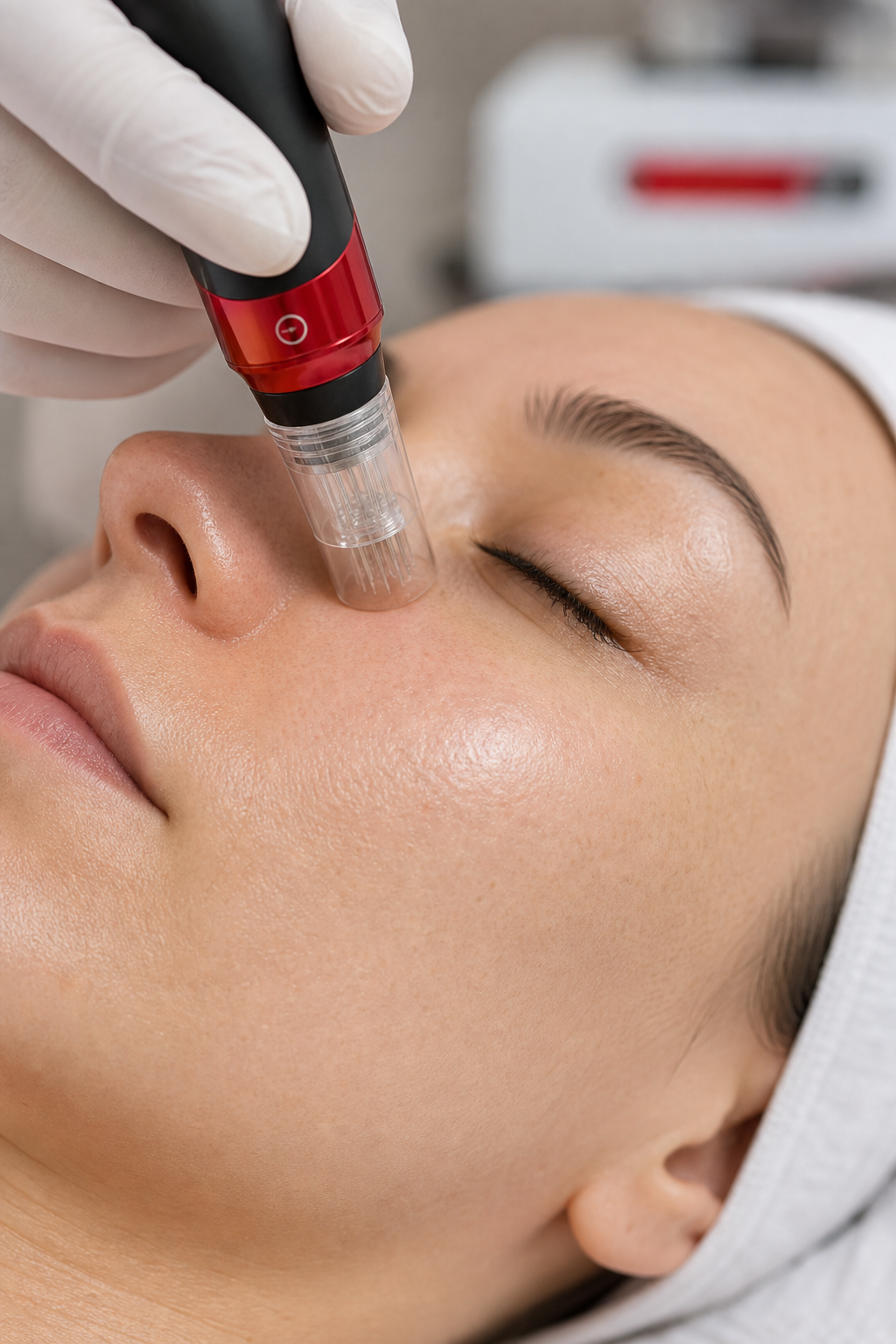
Microneedling, on the other hand, relies on tiny needles that puncture the epidermis and reach the dermis. Those micro‑injuries trigger an immediate wound‑healing cascade: blood flow increases, growth factors surge, and fibroblasts start laying down new collagen and elastin. The process is called percutaneous collagen induction. A detailed explanation from a reputable aesthetic source outlines how the micro‑channels stimulate regeneration . Because the skin’s barrier is temporarily open, topical serums can penetrate deeper, amplifying results.
Both methods ultimately aim for the same endpoint , fresher, smoother skin , but they arrive via different pathways: chemical exfoliation versus mechanical stimulation.
Pro Tip:If you combine a light peel with microneedling, the peel can reach deeper layers while the needles boost collagen, creating a synergistic effect.
When you walk into a med spa, the staff will assess your skin type, concerns, and tolerance for downtime before recommending a depth or needle length. Light peels (under 30% TCA) are often painless and can be done in a lunch break. Deeper peels or longer‑needle microneedling sessions require more preparation and after‑care.
At PS Aesthetics Wellness + Skinbar we offer both options, letting you start with a gentle peel and graduate to a professional Corrective Microneedling™ session as your skin adapts.
2. Ideal Skin Concerns: What Conditions Each Treatment Targets Best
Choosing the right tool starts with the problem you want to solve. Below is a quick match‑up.
Fine lines and early wrinkles , both work, but microneedling often yields stronger collagen over time.
Acne scars , microneedling shines because the needles remodel scar tissue directly.
Hyperpigmentation , chemical peels excel by removing melanin‑laden cells.
Sun damage and uneven texture , peels give an instant glow; microneedling builds long‑term texture improvement.
Large pores , microneedling tightens by boosting elastin; peels can shrink pores by resurfacing.
For clients with darker skin tones, a gentle peel is usually safer to avoid post‑inflammatory hyperpigmentation, while microneedling can be adjusted to a shallow depth (0.5 mm) to keep risk low.
Imagine you’ve just finished a marathon of Instagram filters and your skin looks flat. A light glycolic peel can lift that veil in one session, while microneedling would need a series of visits to build the same lift.
Key Takeaway:If pigment is your main worry, start with a peel; if scar depth is the issue, microneedling is the go‑to.
Our clinic’s PS Aesthetics Wellness + Skinbar team tailors each protocol, blending peels with serums or pairing microneedling with PRP for added boost.
3. Downtime and Recovery: Comparing Healing Times
Many people assume a chemical peel forces a week off work. The data says otherwise.
Light peels (glycolic or salicylic) often finish with no visible downtime. You may notice a mild tingling that fades within hours, and the skin can return to normal activities the same day. Medium‑depth peels typically cause peeling that peaks around days three to four and settles by day seven. Deep peels can stretch the recovery to 10‑14 days, especially if a dressing is applied.
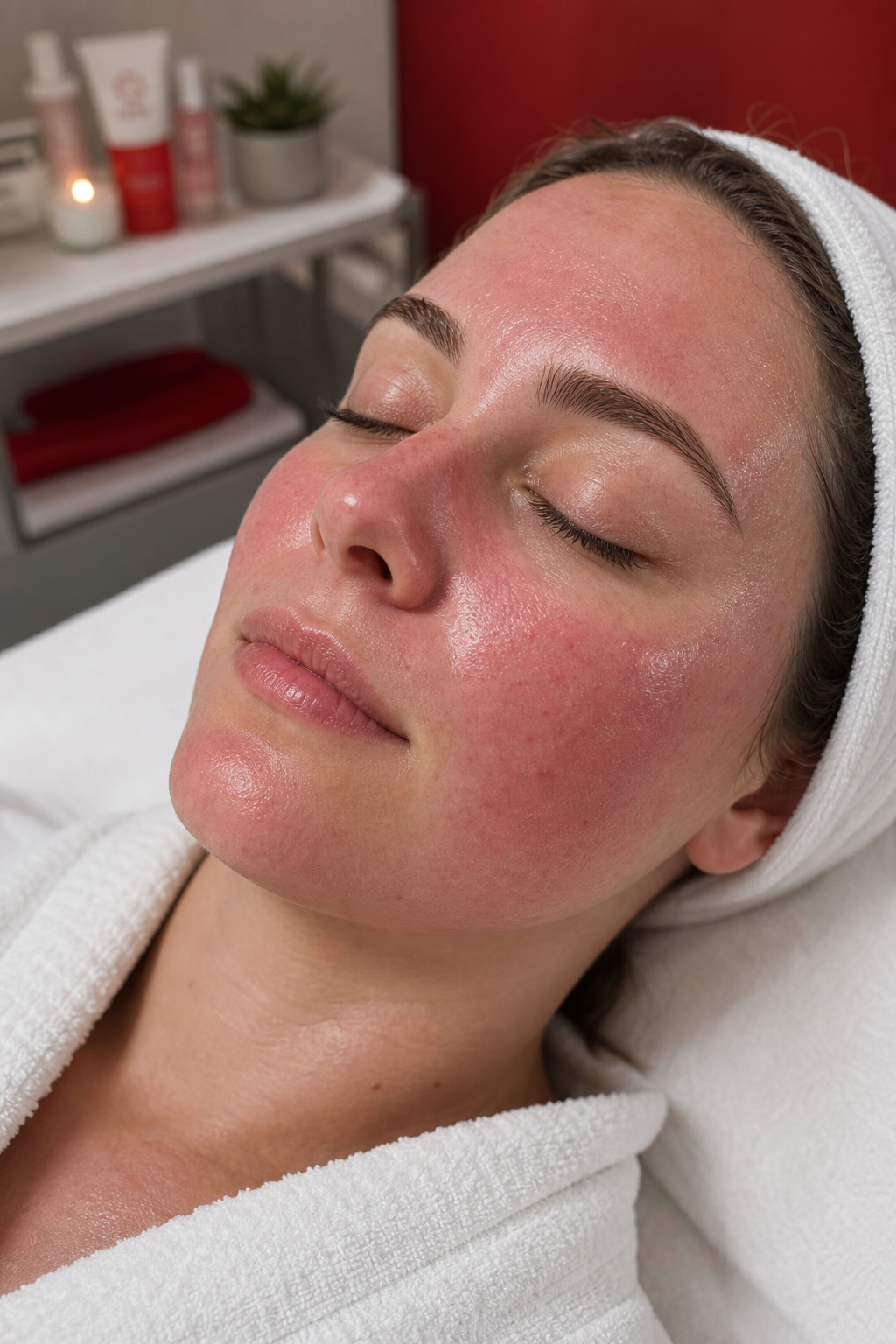
Microneedling recovery looks a lot like a mild sunburn. Redness peaks immediately after the session, fades to a pink hue within 24‑48 hours, and any flaking resolves by day five. Most patients feel comfortable attending a virtual meeting by day two and can resume light exercise after 48 hours.
In a recent audit of 14 Edmond‑area spas, the median downtime for both treatments hovered around three days, with light peels reporting zero downtime for many clients. That myth‑busting insight shows the real difference lies in the depth you choose, not the technique itself.
When planning a vacation or a big event, schedule a medium or deep peel at least two weeks ahead. For microneedling, a Thursday session lets you enjoy a weekend with minimal pinkness.
4. Pain and Discomfort: What to Expect During the Procedure
Both treatments can be managed comfortably, but the sensations differ.
During a chemical peel you may feel a warm, tingling sensation as the acid activates. Most clients describe it as a mild heat that fades once the solution is neutralized. No needles, so there’s no prick.
Microneedling feels like a gentle vibration or sandpaper glide across the skin. The needles are usually numbed with a 4‑5% lidocaine cream applied 20‑30 minutes before the session. The cream blocks pain signals without affecting the healing cascade.
For those with a low pain threshold, ask your provider about a stronger numbing formula or a brief cooling spray. After the treatment, both modalities leave the skin slightly tight; a soothing serum helps calm the area.
Most people find the brief discomfort worth the payoff. If you’re nervous, ask for a short test patch , many clinics do this to prove tolerance before the full session.
Pro Tip:Schedule microneedling on a day when you can avoid heavy sweating for at least 24 hours; that keeps the micro‑channels closed and reduces irritation.
5. Number of Sessions and Results: How Long Until You See Change
Neither treatment is a one‑and‑done miracle. Consistency matters.
Chemical peels often show a visible glow within a week. However, the full collagen remodeling takes 4‑6 weeks. Most practitioners recommend a series of 3‑6 peels spaced 2‑4 weeks apart to achieve lasting pigment reduction and texture smoothing.
Microneedling follows a similar cadence. Visible redness fades in a few days, but measurable collagen gains appear after 4‑12 weeks. A common protocol is 3‑4 sessions spaced a month apart, then maintenance every 4‑6 months.
Metric | Chemical Peel | Microneedling |
Initial visible improvement | 1‑7 days | 3‑5 days |
Peak collagen remodeling | 4‑6 weeks | 8‑12 weeks |
Typical session count for noticeable change | 3‑6 | 3‑4 |
Maintenance frequency | Every 4‑6 months | Every 4‑6 months |
Clients who pair a light peel with microneedling often need fewer sessions of each because the treatments amplify each other’s effects.
At PS AESTHETICS W+S we map out a personalized timeline, so you know exactly when to book the next appointment for optimal results.
"Consistent, layered treatments give the skin time to rebuild stronger tissue, not just cover up the problem."
6. Side Effects and Risks: Important Safety Considerations
Both procedures are safe when performed by trained professionals, but each carries its own set of warnings.
Chemical peels can cause temporary redness, swelling, and flaking. In rare cases, deeper peels may lead to pigment shifts or scarring, especially on darker skin if the acid concentration is too high. Always disclose any recent sun exposure, medications that increase photosensitivity, or a history of keloid scarring.
Microneedling risks include mild bleeding, bruising, and post‑inflammatory hyperpigmentation if the needle depth is excessive. Contraindications are active acne, eczema, rosacea flare‑ups, recent isotretinoin use, blood‑thinning medications, and pregnancy. A thorough skin analysis helps the provider avoid these pitfalls.
One study noted that microneedling can increase collagen by up to 400 % after four sessions, but that boost only happens when the skin heals without infection or excessive irritation.
Key Takeaway:Always schedule a pre‑treatment consultation to verify that your skin condition, medication list, and lifestyle fit the chosen modality.
Our clinic follows strict protocols: a sterile environment, FDA‑approved numbing creams, and post‑care kits that include gentle moisturizers and broad‑spectrum sunscreen.
Frequently Asked Questions
Can I have a chemical peel and microneedling on the same day?
Most experts advise spacing the two treatments at least two weeks apart. The peel creates a chemical exfoliation, while microneedling opens micro‑channels. Doing both together can overwhelm the skin barrier, increase irritation, and reduce the efficacy of each. If you want the combined benefits, plan a peel first, allow the skin to fully recover (usually 7‑10 days), then schedule microneedling.
How long does the redness from microneedling last?
Redness peaks within the first hour after the session and typically fades to a light pink within 24‑48 hours. Most patients feel comfortable attending a video call the next day. Full resolution, including any subtle pinkness, usually occurs by day five.
Are chemical peels safe for darker skin tones?
Yes, but you need a lighter, superficial peel (such as a glycolic or lactic acid blend) and careful monitoring. Deeper peels carry a higher risk of post‑inflammatory hyperpigmentation on Fitzpatrick IV‑VI skin. A qualified practitioner will test a small area first and adjust the acid strength accordingly.
What after‑care products should I use after microneedling?
Stick to a gentle, fragrance‑free cleanser, a hyaluronic‑acid serum for hydration, and a barrier‑supporting moisturizer with ceramides. Avoid retinoids, AHAs, BHAs, and vitamin C for at least five days. Apply a broad‑spectrum SPF 30+ every morning, even if you stay indoors.
Will a chemical peel erase deep acne scars?
Peels can soften the surface texture of shallow scars, but deeper atrophic scars respond better to microneedling or laser resurfacing. Combining a medium‑depth peel with microneedling can improve both pigment and texture, but you may still need additional scar‑specific treatments.
How many treatments do I need to see a noticeable difference?
Most clients notice a brighter complexion after the first peel or microneedling session. For lasting improvement in fine lines, texture, and pigment, a series of 3‑6 peels or 3‑4 microneedling sessions spaced a month apart is typical. Maintenance every 4‑6 months helps preserve the results.
Is there any risk of infection with microneedling?
When performed in a sterile environment with a properly disinfected device, infection risk is low. However, you should avoid the treatment if you have active acne, cold sores, or a skin infection. Post‑procedure, keep the area clean and avoid touching it with unwashed hands.
Can I wear makeup after a chemical peel?
For light peels, makeup can be applied after the skin has cooled, usually within a few hours. For medium to deep peels, wait at least 24‑48 hours to let the skin’s outer layer start healing. Use mineral‑based products to reduce the chance of irritation.
Ready to smooth your skin? Try PS Aesthetics Wellness + Skinbar free →
Choosing between a chemical peel and microneedling isn’t about picking a winner; it’s about matching the tool to your skin’s story. If you crave a quick glow and have pigment concerns, a light peel may be your shortcut. If you’re targeting deep scars or want long‑term collagen build‑up, microneedling offers a steady climb.
Whichever path you take, a qualified provider will customize the depth, product blend, and after‑care plan to fit your lifestyle. At PS Aesthetics Wellness + Skinbar we combine medical expertise with luxury comfort, ensuring you get the best possible outcome.
Conclusion
We’ve walked through the science, the ideal concerns, recovery timelines, comfort levels, session counts, and safety notes for both chemical peels and microneedling. The key is to align the treatment with your primary skin goal and your willingness to schedule follow‑up visits.
If you’re ready to start a personalized skin‑revitalization plan, book a free consultation with PS Aesthetics Wellness + Skinbar today. Our team will map out a timeline, recommend the right depth or needle length, and set you up with a post‑care kit that keeps your skin happy and protected.
Take the first step toward smoother, brighter skin now , because the best version of you deserves a well‑designed, science‑backed approach.


Comments