


Balayage Cost Explained: What to Expect and How to Save
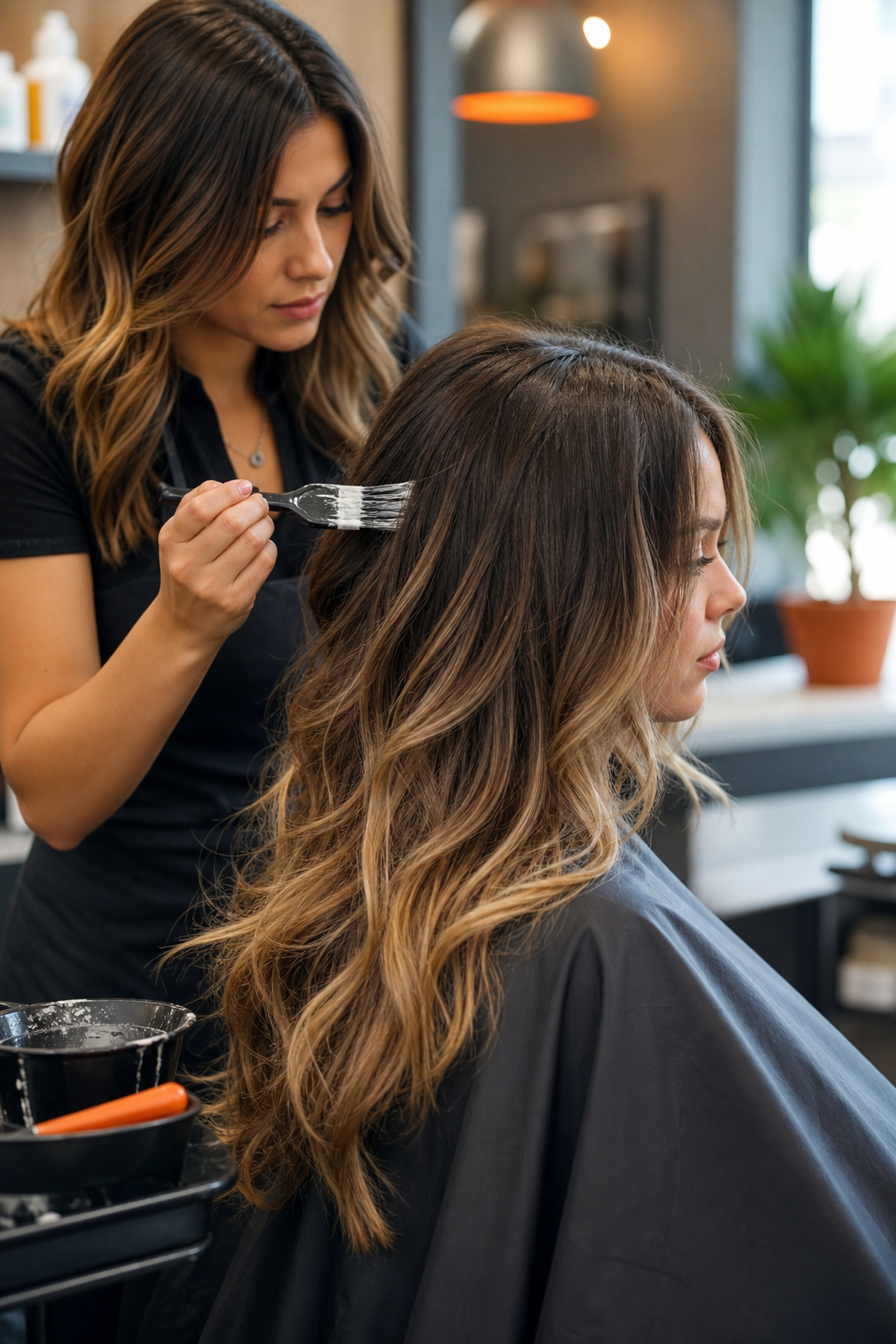
Balayage cost can vary a lot. You’ll hear numbers that sound like a roller coaster ride, from budget options to luxury sessions. The why behind the price is bigger than you think. Hair length, color goals, location, and who does the work all push the final bill up or down. But you don’t have to fear a price shock. You can predict what you’ll spend, plan for touch‑ups, and still get the sun‑kissed look you love. This guide breaks down the cost factors, maps typical pricing, compares at‑home vs salon routes, and walks you through a long‑term plan to keep color vibrant without breaking the bank. If you want a usable plan you can actually use, you’re in the right place.
Balayage, in plain terms, is a freehand coloring technique that creates a natural, blended look with soft regrowth. It’s not just one method; several approaches sit under the balayage umbrella, from baby lights to full balayage melts. For readers who want a crisp definition, a reliable overview is available here: Balayage on Wikipedia. We’ll reference general guidelines from health and safety sources as well, so you know you’re balancing look with care. Along the way, you’ll see how pace, product choices, and maintenance shape what you ultimately pay. And yes, PS Aesthetics Wellness + Skinbar is our go‑to for premium, luxury service in Edmond for those who want an experience designed to bring out your true beauty. PS ARTISTRY | PS AESTHETICS W+S is a great example of a high‑end studio mindset in action.
What you’ll get from this article: a clear view of the factors that set Balayage cost, usable budgeting tips, a side‑by‑side look at at‑home vs salon, and a maintenance plan that protects your investment. You’ll leave with a framework you can apply to your own hair, your local salon, and your next appointment. We’ll also share a few real‑world tactics you can use to minimize surprises and maximize color longevity. Let’s walk through it step by step, so you’re confident at the chair and in the mirror.
What Determines Balayage Cost?
Balayage cost isn’t a single number. It’s a bundle of moving parts that depend on your hair and the salon’s setup. The most obvious factor is hair length and thickness. Longer, thicker hair consumes more color, takes more time, and uses more product. If you have a lot of density or a very dark base, the stylist may need extra lifts, foils, or toner layers to reach the target shade. This pushes the price upward. Conversely, short, fine hair typically costs less because there’s less material and less processing time involved. In practice, the complexity of the lightening pattern also matters. A soft, sun‑kissed melt on medium hair may cost less than a dramatic high‑contrast style that requires multiple tonal shifts and root shadows, especially if the color plan uses multiple hues.
Stylist experience and salon reputation are big price levers. A seasoned colorist with a strong portfolio can command higher fees, justified by skill, speed, and the likelihood of a more predictable result. Location plays a role too. Salons in upscale neighborhoods or major metro areas often have higher overhead, and that tends to show up as higher pricing. Partial balayage (targeted highlights) is usually cheaper than full balayage because it covers less surface area and requires less processing time and product. This is a usable split you’ll see in pricing conversations: partial for a softer look and lower cost; full for bold color and longer sessions.
Processing time and technique also shift the bill. If your hair needs multiple bleach steps to reach the desired level, you’ll pay more. Toners and bond‑building treatments add to the bill but protect color integrity, which is valuable for long‑term results. Some salons include a bond builder or a gloss in a flat fee, while others itemize it. On the cost side, you’ll see a range of pricing models, from flat fees to hourly rates to tiered packages. The right fit depends on how your stylist bills, how long your service takes, and whether you want a single color result or a multi‑tone blend. In this space, you’ll also see the impact of maintenance considerations: a more complex initial service can lead to longer gaps between visits, which can save money over time, but only if you’re careful with upkeep and home care. This is a critical pivot point for budgeting because it frames expectations for the next visit and the ongoing upkeep that follows.
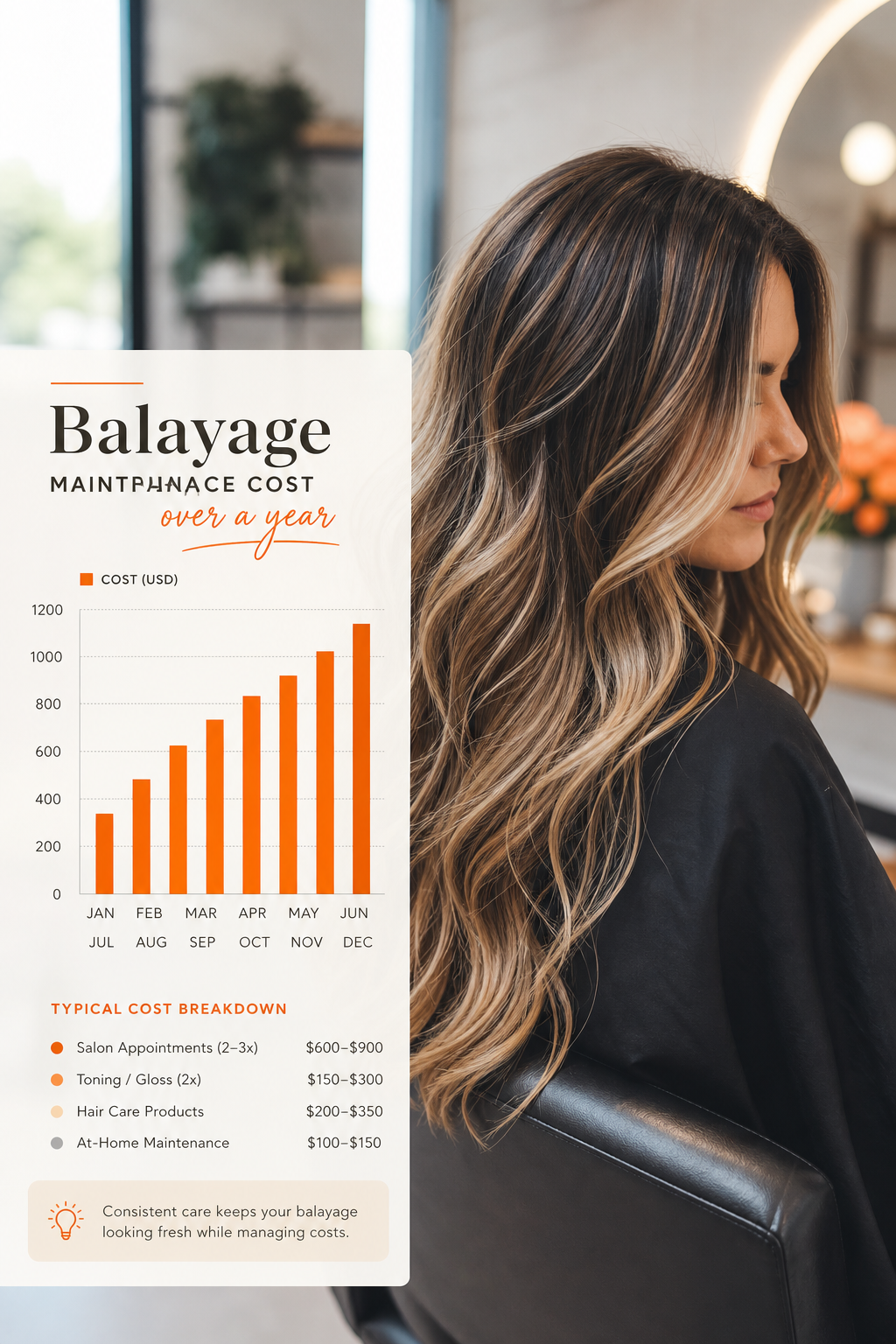
Another big factor is the salon’s business model and the client experience. Luxury salons often bundle in deeper consults, personalized aftercare, and premium product recommendations that influence the price. The client experience, like a pre‑service skin or scalp analysis, a tailored color plan, or a post‑color blowout, adds perceived value and can justify higher pricing. For many clients, the peace of mind that comes with a strong, clear plan is worth a premium. If you’re shopping around, ask the salon to break down the line items in their balayage pricing. You’ll learn what’s included and what would be extra in toner, bond builders, or add‑on glosses. This awareness helps you compare apples to apples when you’re deciding which salon to choose and what you can reasonably budget for a first visit.Pro Tip:Always book a consultation before the color session if possible. A 15‑ to 30‑minute pre‑color chat can save you money by preventing overprocessing and by letting you hear exactly what’s included in the price.As you weigh options, note that the cost you pay is often a signal of the level of service. High‑end salons likePS ARTISTRY | PS AESTHETICS W+Sfocus on a luxury experience, which includes meticulous technique, premium products, and a curated aftercare plan. This is not to say budget options are bad, but it helps to set expectations about what you’re paying for. The goal is to get the look you want without feeling nickel‑and‑dimed at checkout.To ground this, a few usable guidelines help: 1) know your hair's baseline health and texture; 2) ask for a written breakdown; 3) confirm whether the price includes toning, bond builders, and a take‑home care plan; and 4) inquire about aftercare product recommendations and their costs. These steps keep the price honest and help you plan for future visits without sticker shock.Average Price Ranges & Salon Pricing ModelsAcross the industry, balayage pricing typically sits in a broad spectrum. On the low end, some partial balayage services for shorter hair can start around $70, while mid‑range sessions for mid‑length hair commonly land in the $120, $200 range. High‑end appointments, especially for long or very thick hair, can push past the $300 mark and occasionally reach into the $400s in luxury markets. This range reflects differences in length, the amount of base color lifted, the number of tonal adjustments, and the level of customization the client requests. The pricing approach a salon uses also matters. Flat fees are common, but some salons price by length, add a separate toner charge, or offer tiered packages (beginner, standard, premium) based on the exact service complexity. When you walk into a salon, you’ll often hear a blended story: base service price plus add‑ons to cover bond builders, glosses, or special toners. This mix can be confusing at first glance, but a careful, itemized quote will reveal where the cost is coming from. As you compare salons, you’ll want to know whether the quoted price includes a toner and a maintenance plan, or if those are separate items that could be added later. From a budgeting view, the price you pay for balayage is a combination of time, materials, and the level of service, with long hair and thick hair typically driving the price up. A typical salon day includes not just the coloring but the prep, application, wash, conditioning treatments, and a finish that helps seal in the color and deliver a polished look. In Edmond and the surrounding areas, many premium salons frame their pricing around the experience and the long‑term care they offer, which can be a strong selling point for clients who want consistent color that lasts. If you’re shopping for a premium experience, compare the entire package, not just the surface price. For instance, a salon like PS ARTISTRY | PS AESTHETICS W+S emphasizes a well‑designed, confidence‑building process that may carry a higher upfront cost but tends to deliver a longer‑lasting result and better color integrity over time.Quick numbers you’ll see and what they mean:Low end: roughly $70, $120 for partial balayage on shorter hair.Mid range: about $120, $200 for standard balayage on medium hair.High end: $200, $452 for long or very dense hair with a premium finish.To help you visualize, here’s a compact view of typical ranges and what influences them. A single, stand‑alone price rarely tells the full story; most salons bundle the service with toners, glosses, and aftercare products, sometimes as a single package, sometimes as add‑ons. The best way to gauge value is to compare the total package you’ll receive, including color result, hair health protection, and aftercare guidance.Hair LengthCoverageTypical Price RangeNotesShortPartial$70–$120Less surface area, faster processingMediumFull balayage$120–$200Average balance of time and productLongFull balayage + tonal adjustments$200–$452More processing and product; premium markets$137.67average balayage cost (USD) in a 2026 sampleKey Takeaway:Most clients land in the mid‑range, but hair length and salon tier drive the final figure more than anything else.Pro Tip:If you’re on a budget, ask for a staged plan: partial balayage now, with a scheduled full balayage later to spread the cost.As you plan, remember the goal: a look that feels natural and low maintenance while staying within your budget. For many clients, a premium salon experience delivers value through consistency, better color deposition, and durable aftercare. If you’re exploring options in Edmond, the team at PS Aesthetics Wellness + Skinbar is a solid reference point for what a luxury experience looks like in practice.FAQ PreviewIn the next section, you’ll see common questions about how these price ranges map to real experiences, maintenance needs, and how to compare options across salons. These Q&As dig into the usable, budget‑friendly choices you can make while keeping your long‑term color goals in view.DIY Balayage vs Salon: Cost Comparison and SavingsBalayage is tempting to tackle at home when you see price ranges inching upward. The DIY route can be cheaper upfront, especially if you already own color kits or have a friend who does color as a hobby. Still, it’s not a simple swap. Balayage involves nuanced lifting, foiling logic, and toning that can go wrong quickly if you aren’t trained to manage root shadows, color fall, and bond integrity. A high cost upfront at a salon often buys you a finished look that’s more uniform and requires less risk of over‑processing. When you add up long‑term costs, a DIY approach can save money in the short term but may require more time, trial and error, and potential corrective services later on. If you’re curious about the full math, you’ll find a usable at‑home cost breakdown in the research materials. This is where your decision tips come in: 1) Are you comfortable managing color theory and safety at home? 2) Do you have ample time to practice and correct mistakes? 3) What’s your tolerance for the chance of a second or third session to fix issues? A thoughtful comparison helps you decide which path fits your budget and your schedule. If you’re evaluating premium options, remember that the value you receive from a salon isn’t only the color applied; it’s also the education, aftercare, and confidence that comes with the finished look. In Edmond, PS ARTISTRY | PS AESTHETICS W+S offers a controlled, luxury pathway that many clients find worth the investment. PS ARTISTRY | PS AESTHETICS W+S demonstrates how a premium approach can translate into consistent results and better long‑term care for your hair.Maintenance, Touch‑Ups, and Long‑Term CostsMaintenance is where balayage cost makes itself felt over time. The color usually grows out gracefully, which is one of balayage’s biggest selling points. Most clients schedule touch‑ups every 8, 14 weeks, depending on how aggressive they want to keep the color and how fast their roots show. A well‑planned maintenance routine can stretch color life, reduce the need for aggressive toners, and help your hair stay healthy. The exact maintenance interval depends on hair growth rate, color depth, and how well you protect color between visits. If you’re growing out a contrast, you’ll have more frequent touch‑ups; if you prefer a softer transition, you may be able to extend intervals. Between visits, you’ll want to use color‑safe shampoo and conditioner, limit hot tool use or always use a heat protectant, and consider a UV filter spray to prevent color fading. The goal is to keep the color looking fresh while preserving hair health, which reduces the risk of paying for extra color services later on.From a cost perspective, maintenance involves both in‑salon services and home care. You’ll likely buy a color‑safe shampoo, a conditioner with color protection, and at least one bond‑supporting product. On the salon side, a touch‑up session can range from $80 to $250 depending on length, method, and whether a full root refresh or partial update is needed. If you add a gloss or toner at touch‑up, that can push the price higher, though many salons bundle glosses into the service. In the long run, a sound maintenance plan can help you avoid big surprise fees and protect the color you’ve already invested in. The right routine also reduces the risk of damage from heat styling or chemical processing, which keeps both color and hair healthier over time. A usable step is to book a recurring appointment for a tone refresh and a trim; this habit supports a balanced schedule and stabilizes costs week by week.To support ongoing care, it helps to plan revenue‑neutral maintenance over a year. Consider a year plan that includes two color refreshes and four conditioning treatments; this can provide steady color life and protect hair health without forcing a large, single‑month outlay. In Edmond, premium salons likePS ARTISTRY | PS AESTHETICS W+Soften offer a structured maintenance path to keep color looking vibrant. For clients who want to protect their color from sun exposure, a UV‑protective spray or a color‑safe mist can be a smart addition to your routine. PubMed offers a broad view of how color products and styling practices relate to scalp health and color longevity in the dermatology literature, which can help you make informed home care choices.In practice, maintenance costs vary, but the core idea is to protect the investment you’ve already made. Deep conditioning, heat protection, and color‑preserving products all contribute to longer color life. If you want to see how these strategies play out over time, consider a year‑long budgeting approach that outlines color sessions and product purchases as a single plan rather than a string of one‑off payments. This approach helps you stay on top of costs and reduces the risk of price shocks when it’s time for a touch‑up.When you’re ready to take the next step, a mid‑article callout helps you see options. Ready to solve color cost concerns? Try PS Aesthetics Wellness + Skinbar free →FAQWhat’s the typical balayage cost for different hair lengths and textures in 2026? In general, shorter hair with partial balayage tends to be at the low end of the spectrum, while long, thick hair with full balayage will push toward the higher end. Texture affects processing time and the amount of product used, which can alter the price. You’ll also see regional differences. The best practice is to ask for a written, itemized quote before any service. This helps you compare options precisely and budget responsibly. The final price will reflect both the service itself and the maintenance plan you choose.How often should I schedule a balayage touch‑up? Most clients schedule every 8, 14 weeks. If you want a stronger root‑to‑end contrast or prefer brighter tones, you may tighten that window to 6, 8 weeks. If you’re maintaining a subtler melt, you might push to 12, 14 weeks. The right cadence depends on your color goals, growth rate, and how well you protect the color in between sessions. Regular trims help, too, by keeping the color from looking uneven as roots grow in. A good program balances cost with color health and your lifestyle.Are there safer or more affordable alternatives to balayage? Highlights and foils can be cheaper per visit but may require more frequent sessions to maintain the same brightness. Babylights offer a lighter, delicate effect but can add to cost if done frequently. For a gentler option, talk to your stylist about a softer lift with fewer processing steps and a toned glaze that refreshes color without major lightening. A thoughtful plan may let you keep the look you want without paying for extra processing every time.What products should I buy for post‑color care? A color‑safe shampoo and conditioner are essential to protect your color. A bond‑builder or reparative serum helps with the molecular health of the hair after bleaching. An anti‑brass toner or a color‑depositing conditioner keeps tones from fading or turning brassy. A heat‑protectant spray is critical if you use heat tools. Finally, a weekly deep conditioning mask can help maintain moisture and shine between salon visits.What should I look for when choosing a balayage service? Look for a detailed consultation, a clear color plan, and a written quote. Ask about the toner, the bond‑building process, and the aftercare plan. Check the stylist’s portfolio for similar looks and s. Finally, confirm how long the session will take and whether the price includes a take‑home product kit or a gloss at the end. A transparent process reduces surprises at checkout.Can I negotiate pricing with a salon? Some salons offer tiered pricing or packages that include gloss, toning, and aftercare. If you’re a returning client or have a loyal relationship, you may be able to negotiate some add‑ons or a slightly better hourly rate. It’s most effective to discuss pricing before the service and to ask for a written breakdown of all costs. If a salon won’t provide a clear quote, consider asking for a different stylist or a different appointment time to see if pricing changes are possible.What if my color goals require more than one appointment? If you anticipate multiple sessions, ask about bundled pricing or a staged plan. Some salons offer a discounted package for a set number of visits within a year, which can smooth out cash flow and reduce annual costs. You’ll still want to track the total spend, but a package can simplify budgeting while keeping you aligned with your color goals.ConclusionBalayage cost isn’t a mystery once you map the drivers, the hair itself, the technique, the salon’s model, and the maintenance plan all push the price one way or another. The big takeaway is usable: you can budget for the look you want by understanding what affects the bill, choosing a pricing model that fits your needs, and committing to a maintenance rhythm that protects your investment. Start with a clear plan: set your hair goals, request an itemized quote, and compare the total package rather than a single number. If you’re drawn to a premium experience in Edmond, PS Aesthetics Wellness + Skinbar offers a model where expertise, care, and post‑color support align with lasting results. You can begin with a consultation and a transparent discussion about what’s included in the price, what’s optional, and what your long‑term care will look like. That clarity will help you manage expectations, protect your budget, and enjoy the look you’ve chosen, from the salon chair to your daily routine. If you’re ready to explore your options, consider scheduling a consultation and reviewing pricing details to map a plan that suits your life and your color goals.
Key Takeaway:Balayage cost hinges on length, density, technique, and the salon’s pricing model. A clear, itemized quote helps you budget and compare options more accurately.


Comments