


Laser Skin Resurfacing Downtime: What to Expect
Updated: 3 days ago
Laser skin resurfacing downtime varies from a short interruption after lighter treatment to several weeks after deep resurfacing. The laser, treatment depth and area treated all matter. Ablative procedures can involve swelling, oozing, peeling and wound care, so ask your treating clinician for a recovery plan before booking work or social events.
Here’s what recovery can look like, how to plan your schedule, and what to ask before treatment at PS Aesthetics Wellness + Skinbar in Edmond.
Patient reviews cannot predict your recovery time. Ask which device and treatment depth your clinician recommends, what wound care you will need and how long your own skin may take to heal.
Table of Contents
What Does Laser Skin Resurfacing Downtime Include?
Laser skin resurfacing downtime includes the days when your skin looks or feels too irritated for normal plans. That may mean redness, swelling, warmth, stinging, itching, peeling, or a tight feeling. With deeper resurfacing, the skin may also ooze or form a crust.
The treatment sends focused light into damaged skin. Ablative lasers remove part of the outer layer, called the epidermis. They also heat the dermis below it, which helps start new collagen growth. Nonablative lasers leave the surface more intact, so they usually heal faster.
That difference shapes the whole recovery. A light fractional treatment may look like pink skin with a fine sandpaper feel. A stronger treatment can resemble a severe sunburn for several days. Treatment depth affects healing and the risk of side effects.
Visible downtime is only one part of recovery. Your skin may look ready for makeup before it can handle heat, strong products, or direct sun. Pinkness can last for weeks. In some cases, redness takes months to fully fade.
Think of recovery in three layers:
Social downtime:the period when redness, swelling, or peeling may affect plans.
Surface healing:the time needed for new skin to cover the treated area.
Skin recovery:the longer phase when sensitivity and color changes settle.
For example, you may return to desk work after five days but still need to avoid intense heat and direct sun. That is why a provider should give you more than one number. Ask for the expected social downtime, the full healing window, and the date when you can restart your usual skincare routine.
If you’re comparing local providers, the Top 6 Laser Facial Resurfacing Clinics for 2026 can help you frame those questions before a consultation.
How Downtime Varies by Laser Type
Laser skin resurfacing downtime depends less on the word “laser” and more on whether the treatment is ablative, nonablative, fractional, or fully ablative.
Ablative lasers remove skin. They can produce a stronger change in texture, but they also require more wound care and more time away from normal activities. Nonablative lasers heat the deeper skin while leaving more of the surface intact. Their results tend to build more slowly, and several sessions may be needed.
Fractional treatment changes the pattern again. Instead of treating every part of the surface, the device makes narrow treatment columns with untouched skin between them. Those untreated areas help the skin repair itself. The trade-off is that deeper fractional treatment can still cause significant redness, peeling, or pigment changes.
Laser type or example | Common recovery pattern | Best planning use |
Clear and Brilliant, gentle fractional | Pinkness with limited surface change | Ask about redness and skin texture after the selected settings |
Fraxel, nonablative fractional | Redness, swelling, and a sandpaper feel | Confirm when peeling starts and when normal skincare can resume |
Hybrid fractional laser | Swelling and possible coffee-ground discoloration | Ask how the ablative and nonablative settings affect recovery |
Fractional CO2 | Redness, peeling, and more active wound care | Confirm wound care and the expected return to work |
CO2 fully ablative laser | Redness, swelling, and possible pigment changes | Ask about treatment depth and the full healing period |
Sciton Contour TRL, erbium:YAG | Redness, swelling, and possible pigment changes | Confirm the exact treatment depth and manufacturer guidance |
These figures are planning ranges, not promises. The same laser can produce different downtime when the provider changes the energy level, passes, treatment area, or depth. Your skin tone and history of pigment change also matter.

A broad trade-off remains relevant: gentler nonablative lasers heal faster, while ablative lasers can produce more dramatic change with more downtime.
For deep resurfacing, Sciton lists 2 to 4 weeks of downtime for Contour TRL , with healing continuing afterward. Lighter treatments have different recovery needs. Confirm the specific device, depth and settings instead of treating one average as a promise.
PS Aesthetics Wellness + Skinbar can use the consultation to match the treatment plan to your goals and calendar. Before you book, ask what you may look like on day three, day seven, and two weeks after treatment.
A Typical Laser Resurfacing Recovery Timeline
A typical laser resurfacing recovery timeline starts with heat and redness, then moves into dryness or peeling. The pace changes with treatment depth, but the pattern below gives you a useful framework.
Immediately after treatment
Your skin may feel warm, tight, or sunburned. Swelling can show up around the eyes and mouth. A provider may apply an ointment or dressing, depending on the procedure. Follow that plan closely instead of adding products from home.
Days one through three
Redness and swelling may be most noticeable during this stage. Some people feel itching or stinging. A cool compress may help if your provider approves it. Keep your hands away from the treated area, since rubbing can add irritation.
With deeper ablative resurfacing, the skin may ooze or form a yellowish crust. That can feel alarming, but do not assume every change is normal. Your provider should tell you what is expected for your specific treatment.
Days four through seven
Dryness and peeling often begin in this window. The skin may look darker before it sheds. Do not pull at flakes or scrub the surface. Let the skin release on its own.
Lighter treatments may allow a return to work during this period. Deeper treatments may still look red, raw, or swollen. Makeup usually waits until the surface has healed and peeling has stopped.
After the first week
Many people can resume more normal routines after the first week, but that does not mean the skin is fully recovered. Pinkness may remain. Heat, sun, and strong skincare products can still trigger irritation or color changes.
After ablative treatment, new skin may cover the area within seven to ten days, while full recovery takes longer. Nonablative treatment often allows a faster return to normal activity, but improvements tend to appear gradually.
Key Takeaway:Plan around the longer timeline, not the earliest possible return. A workday may be manageable before your skin is ready for sun, workouts, or makeup.
Aftercare, Work, Exercise, and Makeup During Downtime
Aftercare can shorten problems even when it cannot shorten the treatment’s built-in healing time. Your provider’s instructions should come first, especially if they differ by laser type.
Skin care at home
Use the cleanser, ointment, or moisturizer your provider recommends. Keep the routine plain while the surface heals. Retinoids, acids, scrubs, benzoyl peroxide, and fragranced products may sting or inflame fresh skin.
Do not pick at crusts or peel loose skin. That can raise the risk of scarring or uneven color. Wash your hands before touching your face, then pat the area dry instead of rubbing it.
Sun protection becomes a daily task after resurfacing. Your provider may tell you when sunscreen is safe to apply, since very fresh skin may need a different form of protection at first. A hat and shade can help during the early phase.
Work and exercise
Desk work may be possible within a few days after a light treatment. If your job involves heat, dust, heavy sweating, or outdoor exposure, plan for more time. Those conditions can irritate healing skin.
Skip strenuous exercise until your provider clears it. Heat and sweat may worsen redness and swelling. Avoid hot tubs, saunas, and steam during the early recovery period.
Makeup
Wait until the skin has fully closed and peeling has resolved before applying makeup. Covering raw or oozing skin can trap irritants and raise infection risk. Your provider can tell you when a tinted product is safe.
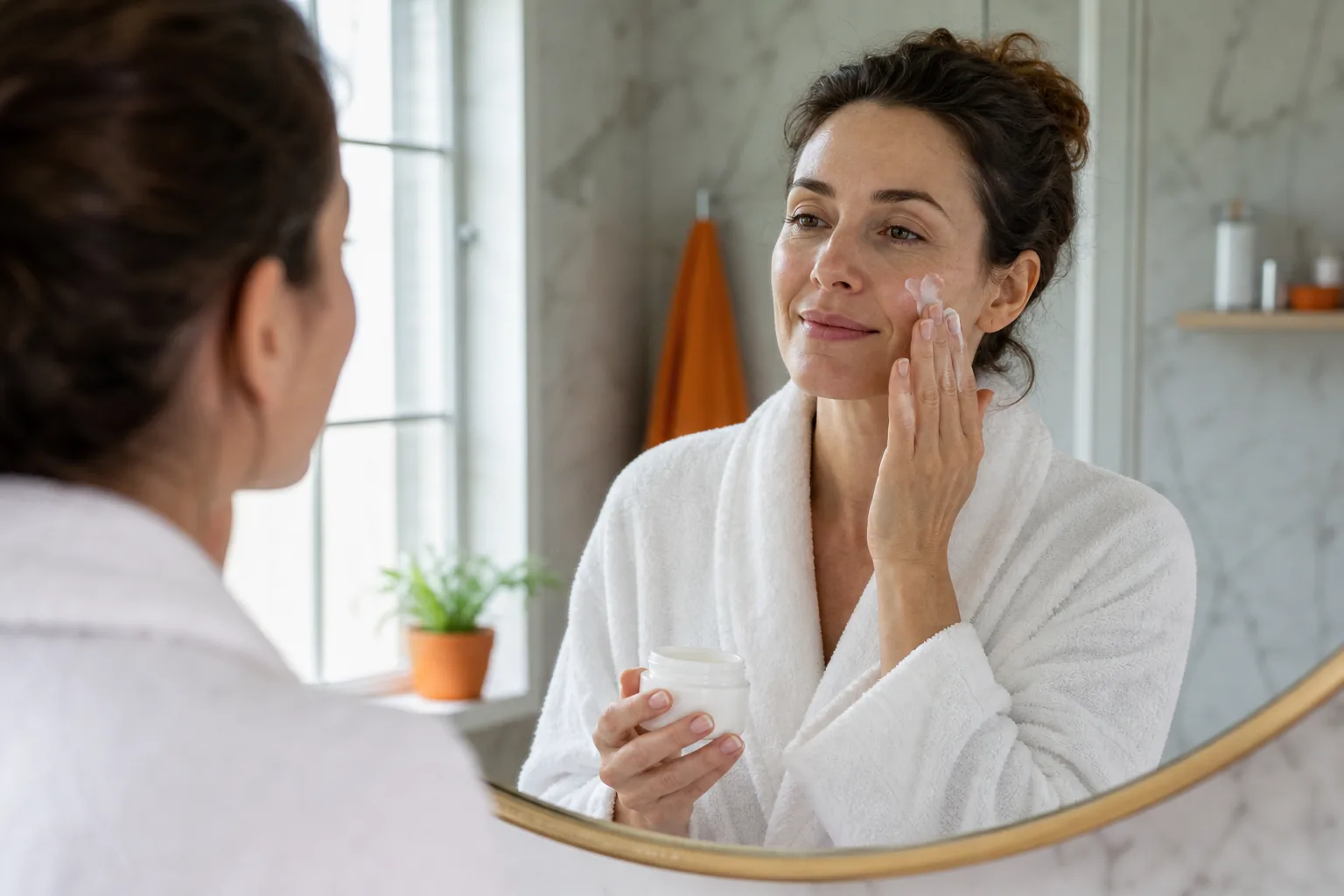
Makeup can hide pinkness later, but it does not replace sun care. Keep your routine gentle even after you return to work. Skin that looks calm may still react to heat or active ingredients.
For patients weighing resurfacing against a gentler option, information on laser treatments for age spots can help connect the concern with the likely treatment intensity.
When to Call Your Provider and How to Plan Treatment
Call your provider promptly if pain gets worse instead of better, swelling rises sharply, or the treated area develops spreading redness. Fever, pus, a strong odor, or signs of infection also need medical advice.
Contact the clinic if you have a reaction that does not match the recovery plan you were given. A photo can help the team judge changes, but do not wait for an online answer if symptoms feel severe.
Planning starts before the appointment. Tell the provider about past cold sores, skin conditions, medications, recent tanning, and any history of dark marks after injury. Skin tone matters too, yet published guidance is often limited. Ask how the treatment plan addresses your risk of post-inflammatory hyperpigmentation.
Also share your calendar. A wedding, beach trip, photo session, or major work event may change the best treatment date. Build in extra days beyond the provider’s shortest estimate.
Fractional treatments can reduce the amount of skin injured at one time, but they may require more than one session. Deeper ablative treatment may need fewer sessions, with a longer recovery after each one. The right choice depends on the concern you want to treat and the amount of downtime you can accept.
For general background on treatment choices and risks, see Mayo Clinic's laser resurfacing overview .
At PS Aesthetics Wellness + Skinbar, bring these questions to your consultation:
Which laser and treatment depth are you recommending?
How many days should I plan away from work?
When can I exercise, wear makeup, and use active skincare?
What changes are normal, and which ones need a prompt review?
How will you reduce the risk of pigment changes for my skin tone?
Pro Tip:Book resurfacing before a quiet stretch, not right before an important event. The safest schedule leaves room for a slower-than-average recovery.
Frequently Asked Questions About Laser Skin Resurfacing Downtime
How long does laser skin resurfacing downtime last?
Downtime depends on the device, treatment depth and your skin. Some lighter procedures have a short recovery, while deep resurfacing can require several weeks. Your clinician should distinguish time away from work from complete healing and explain when makeup, exercise and your usual skincare can resume.
Can I work after laser skin resurfacing?
You may return to desk work within several days after a light treatment, but deeper resurfacing may require a week or longer. Jobs involving heat, dust, outdoor exposure, or heavy activity need more planning. Ask your provider when your skin will look presentable and when it will be safe to resume the work itself.
When can I wear makeup after laser resurfacing?
You can usually wear makeup after the surface has healed and peeling has stopped. That may take about a week or longer, depending on the treatment. Do not apply makeup to raw, oozing, or open skin. Your provider should confirm the timing before you cover redness with cosmetics.
Can I exercise during laser resurfacing recovery?
You should avoid strenuous exercise during the early recovery period. Heat and sweat can irritate treated skin and worsen swelling. Light activity may return sooner after a gentle treatment, while deeper resurfacing often needs more time. Follow the specific clearance given by your provider.
Why is my skin still pink after downtime ends?
Pinkness can last beyond visible peeling because the deeper skin is still healing. Some people remain pink for weeks, and stronger treatments may leave color changes for much longer. Protect the area from sun and avoid irritating products. Contact your provider if the color change seems severe or keeps worsening.
Conclusion
Expect laser skin resurfacing downtime to match the treatment’s depth, not a generic average. The best next step is a consultation at PS Aesthetics Wellness + Skinbar, where you can ask for a day-by-day recovery plan that fits your skin, work schedule, and upcoming plans.


Comments