


Bunny Lines: How Neuromodulator Treatment Works

Bunny lines are the small creases that show beside your nose when you scrunch it. A botulinum toxin treatment may soften these expression lines, but the right plan depends on how your face moves and what you want to change.
Here’s what to know about the muscles involved, the appointment, and the questions worth asking before treatment.
Table of Contents
What Are Bunny Lines, and Why Do They Appear?
Bunny lines are short creases on the sides or bridge of the nose. They often show when you scrunch your nose, smile, or make another strong facial expression. The lines can be visible only during movement, or remain noticeable when your face is at rest.
The transverse part of the nasalis muscle helps create this movement. It runs across the bridge of the nose, where repeated contractions can form expression lines. Published botulinum toxin guidelines link bunny lines to this part of the nasalis muscle and rate the treatment evidence for this area as limited, which is one reason a provider should assess movement, not just look at the crease.
Skin changes can affect how lines look, too. With time, skin may lose some elasticity, so a crease caused by movement can stay visible for longer. A line that remains at rest may not respond in the same way as one that appears only when you scrunch your nose.
Facial movement is connected. Some people notice more nose wrinkling after treatment in the frown area, perhaps because their expression shifts. That isn’t inevitable, and a change in lines doesn’t by itself show that anything went wrong. It is a useful detail to mention during an assessment, especially if you’ve had injections in nearby areas before.
For a clearer view, notice when the crease appears: at rest, during a smile, or only with a deliberate nose scrunch. Don’t try to diagnose the muscle yourself. That observation simply gives your provider a better starting point.
How Botulinum Toxin May Affect the Muscles That Create Bunny Lines
Botulinum toxin temporarily reduces activity in selected muscles. For lines beside the nose, a qualified injector may assess the nasalis and nearby muscles before deciding whether treatment makes sense. The goal is a measured change in movement, not a frozen expression.
Placement matters because small muscles around the nose sit near muscles that help move the upper lip. If nearby muscles are affected, smile movement or symmetry may change. The amount used and the injection plan should be based on an in-person assessment, not copied from a friend or a video.
There isn’t one standard dose that suits every person. The strength of the muscle, the pattern of movement, prior treatment, and the specific product can all affect planning. Different botulinum toxin products don’t use interchangeable unit measurements. Ask which product is planned and how the provider will tailor the dose to your anatomy.
Treatment around the nose may be off-label for a specific product. Ask the injector whether the proposed use is on-label or off-label, and what that means for your care. Discuss product sourcing and provider qualifications with your injector. The FDA has warned about illegally marketed botulinum toxin products , so ask where yours comes from.
Other ideas sometimes discussed for the nose include treating nostril flaring or using toxin near the base of the nose to affect tip movement. These are separate treatment goals, not automatic add-ons to bunny-line care. Claims about using injections for rosacea or visible blood vessels need their own evidence review. Ask what change is being proposed and what evidence supports that specific use.
It can also help to discuss nearby areas, such as frown lines, if they affect how your nose moves. That doesn’t mean multiple areas should be treated together. Each area needs its own assessment, and the plan should account for how your expressions work as a whole.
PS Aesthetics Wellness + Skinbar in Edmond, Oklahoma, provides injectable treatments. Its toxin treatments are administered by Paige Schwab, APRN, FNP-BC, a nurse practitioner. You can review its Botox and wrinkle relaxer service information before discussing whether a nose-area treatment suits you.
What a Bunny Lines Treatment Appointment Involves
A careful appointment starts with a conversation, not a needle. Expect to explain which lines concern you and when they show. Your provider may ask about past injections, medical conditions, medicines, allergies, and any prior response to botulinum toxin.
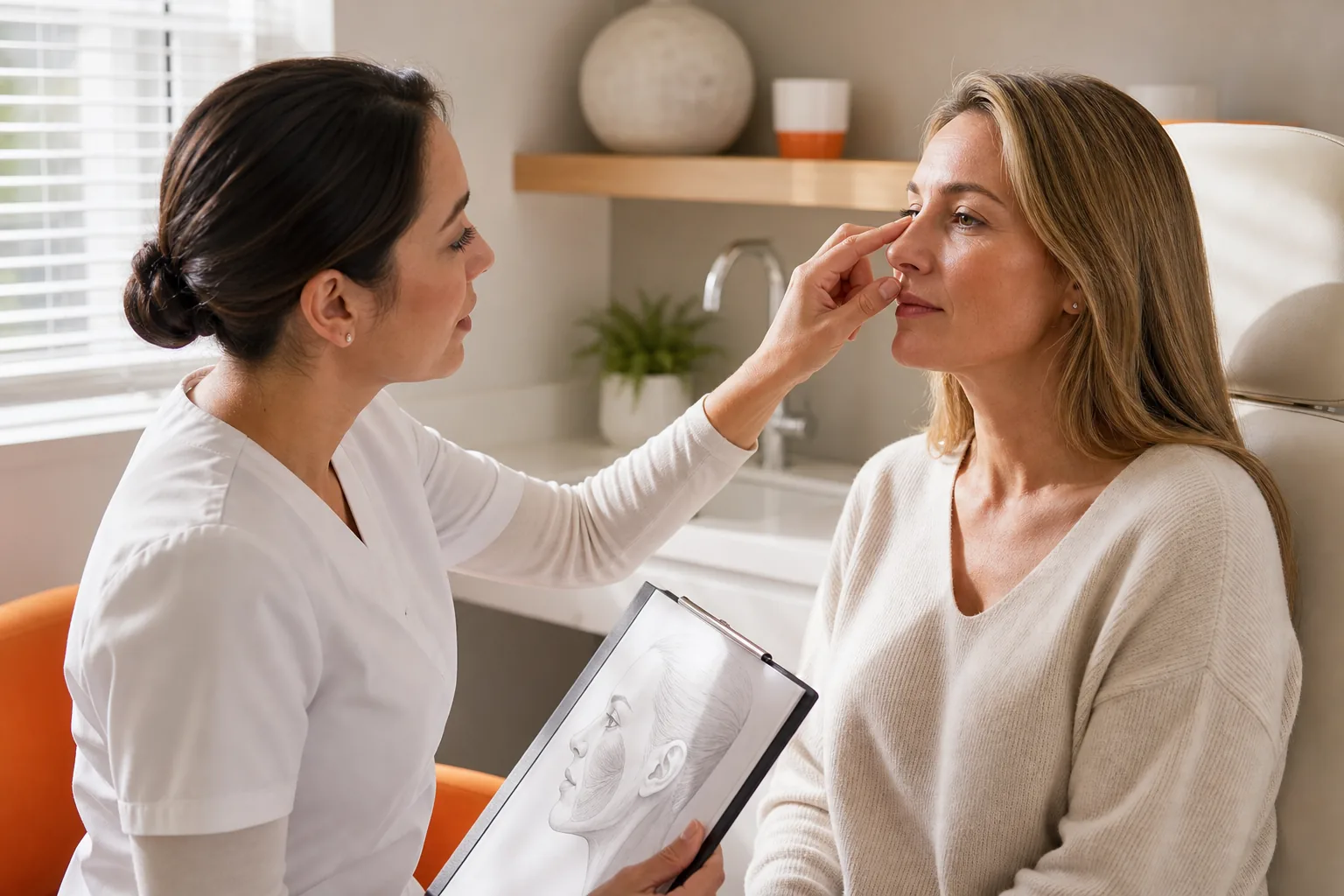
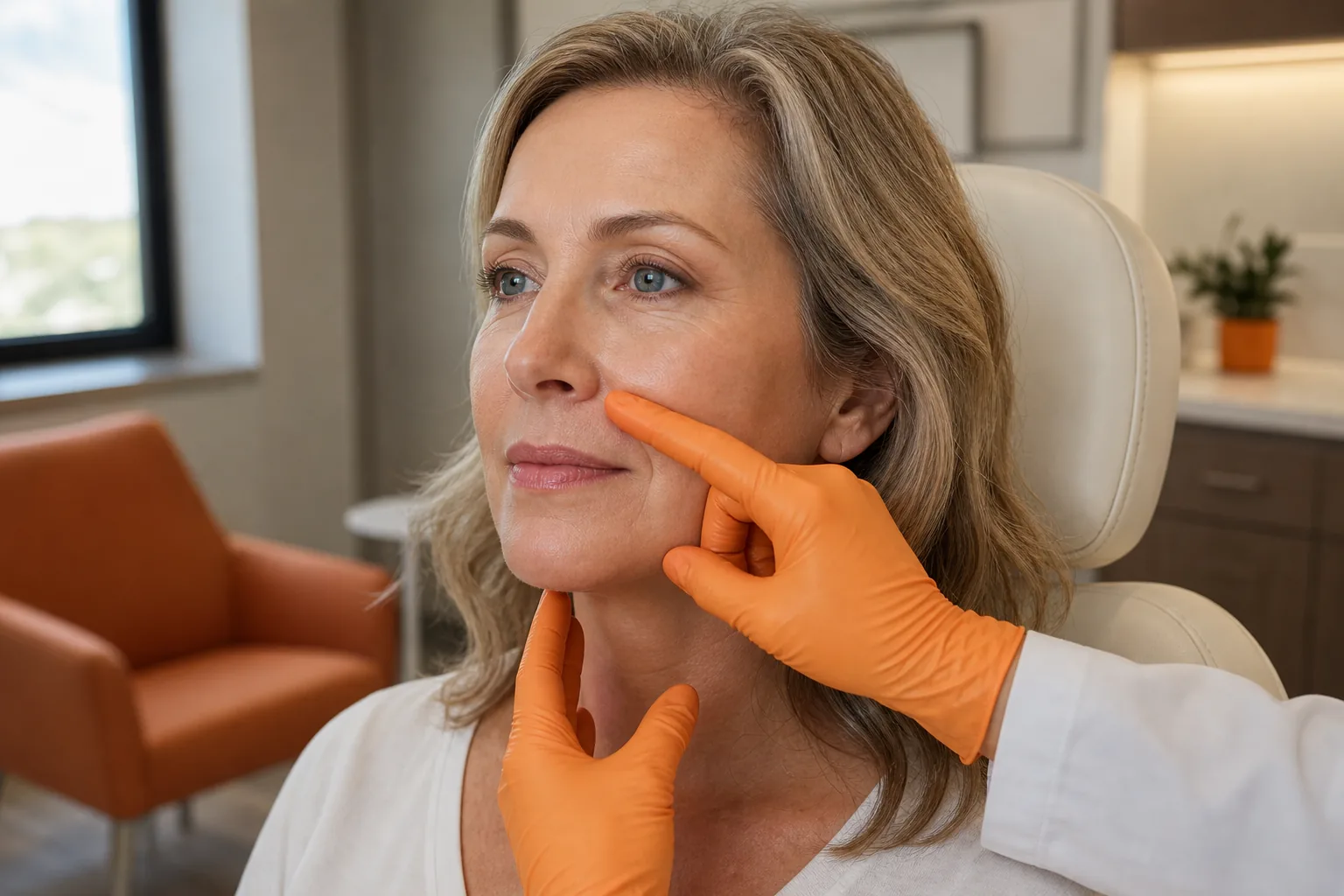
Next, the provider should look at your face at rest and during movement. They may ask you to smile or scrunch your nose so they can see which muscles are active. This helps them decide whether the creases are mainly movement-related and whether a small treatment area could match your goal.
Before agreeing, ask what product will be used and whether the proposed use is off-label. Ask about possible effects on your smile, how much change is reasonable to expect, and when the provider wants to check your response. A thoughtful answer should include the limits of treatment, not just the hoped-for result.
After the assessment, the injector explains the plan and obtains your consent. If you feel rushed or don’t understand the plan, pause and ask for clarification. You can choose not to proceed that day.
The injection itself uses a fine needle, but discomfort varies. Redness, tenderness, swelling, or bruising may occur around an injection site. Your clinician should explain what to do afterward and how to reach the practice with a concern.
A useful question is, “What would make you decide not to treat this area today?” The answer can show whether the provider has considered your anatomy, your goals, and the chance that another approach may fit better.
Expected Timing, Duration, and Individual Results
Changes don’t appear at the instant of injection. PS Aesthetics Wellness + Skinbar says its neuromodulator results typically appear within three to seven days and last about three to four months. That is general information about its neuromodulator treatments, not a promise about a specific nose-area treatment. Individual response can differ.
The change may be subtle. A treatment plan might aim to soften a crease during a nose scrunch while keeping everyday expression. It may not remove a line that is visible at rest, since skin texture and movement both shape the way a crease looks.
Give the treatment time to take effect before judging the result. Follow the timing your provider gives you for a review. If the result feels uneven or you have a concern, contact the injector rather than seeking an extra dose from another source. A follow-up assessment can help clarify whether the change is still developing or whether another plan is needed.
Repeated treatment is a personal choice, not a requirement. Effects wear off over time, and the right interval depends on the product, the treatment area, your response, and your clinician’s advice. Don’t schedule repeat injections more often than your prescriber recommends.
People sometimes consider skincare as another way to support skin texture. A retinoid or peptide product may be discussed with a qualified skin-care professional, but it won’t relax a muscle in the way an injectable does. Dermal filler works by adding volume, so it addresses a different concern and has its own risks. Ask which part of the line you want to address before comparing options.
If you’re comparing expected timing across treatment areas, PS Aesthetics Wellness + Skinbar also explains general factors that can affect how long neuromodulator results last . Use that as broad context, then ask your provider about your specific treatment plan.
Risks, Aftercare, and When to Contact a Doctor
Common injection-site effects can include redness, swelling, tenderness, or bruising. Risks depend on the area treated and the individual.
In the nose area, unintended effects on nearby muscles may affect how the upper lip moves or how the smile looks. Ask your provider how they reduce the chance of affecting nearby muscles and what to do if you notice a change. No injection plan can promise that a side effect won’t happen.
Follow the aftercare instructions given by your injector. If advice you find online conflicts with your clinician’s instructions, check with the practice before changing your routine. For general guidance on what to ask after treatment, see PS Aesthetics Wellness + Skinbar’s aftercare information for neuromodulator injections .
Choose a licensed, trained professional and ask how the product is sourced. Ask your provider what steps they take to reduce risks and what symptoms to watch for after treatment.
Get urgent medical careif you have trouble breathing or swallowing after an injection. For a new or concerning symptom, contact your treating clinician or another doctor promptly. Don’t wait for a routine follow-up if symptoms are severe or sudden.
Before treatment, check who will perform or oversee it and how the product is sourced. Ask any provider to explain their role in your care and how they handle follow-up questions.
Frequently Asked Questions
What causes bunny lines on the nose?
Bunny lines often form when the nasalis muscle contracts as you scrunch your nose or make another expression. Repeated movement can make creases more noticeable. Skin changes can also affect whether a line remains visible at rest. An assessment can help distinguish a movement line from a crease shaped by skin texture.
How many units are used for bunny lines?
There isn’t one dose that fits everyone. The amount depends on your muscle movement, anatomy, treatment history, and the product selected. Units from different botulinum toxin products can’t be treated as interchangeable. Ask the injector to explain the proposed dose and why it fits your specific treatment area.
How long does treatment for bunny lines last?
Neuromodulator effects commonly last for a limited period, but the length varies by person and treatment area. PS Aesthetics Wellness + Skinbar gives a general range of about three to four months for its neuromodulator treatments. Ask your provider what timing they expect for your plan and when they recommend a review.
Can treatment for bunny lines affect my smile?
It may affect nearby muscles if the product influences muscles involved in upper-lip movement. That could change smile movement or symmetry. The risk depends on placement and individual anatomy, so ask how your provider assesses nearby muscles and what symptoms should prompt a follow-up.
Is treatment for bunny lines an approved use?
A specific use around the nose may be off-label, depending on the product and treatment goal. Ask your provider whether the planned use is on-label or off-label. They should explain the reason for treatment, the evidence and limits, and the risks that apply to your situation.
Conclusion
Bunny-line treatment calls for an individual assessment because small muscles around the nose work near muscles that affect expression. If you’re considering it, ask a qualified injector to assess your movement, explain the planned use and risks, and discuss whether the option fits your goals. A consultation with PS Aesthetics Wellness + Skinbar can help you explore that decision without pressure.
Comments