


Nasolabial Fold Filler: Uses, Results, and Risks
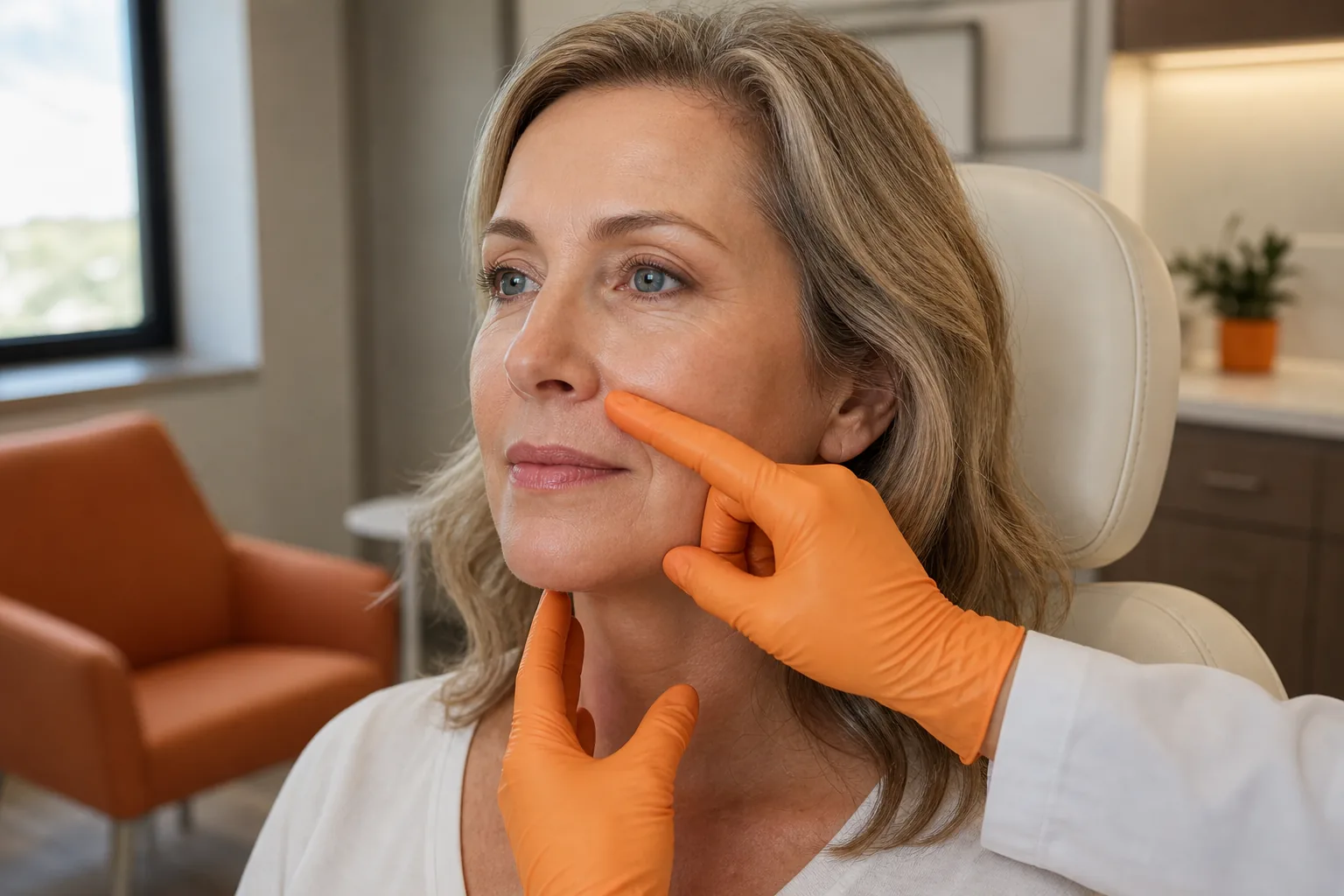
Smile lines are part of how faces move, but changes in cheek support can make them look deeper over time. Nasolabial fold filler may soften their appearance, though it won't erase every fold or suit every face. The right plan starts with understanding what is shaping the crease.
Table of Contents
What Are Nasolabial Folds, and Why Do They Deepen?
Nasolabial folds are the creases that run from each side of the nose toward the corners of the mouth. They’re also called smile lines. Most people have them, and they can show more when you smile or laugh.
With age, the folds may stay visible even when your face is relaxed. Skin changes are part of the picture, but the crease can also reflect shifts in the tissues that support the cheek. Bone support in the midface may change, and cheek fat can shift downward. That can make the area above the fold look less full while the fold itself looks more pronounced.
There isn’t one cause or one treatment plan for everyone.
That distinction matters. If a crease is mostly tied to skin texture, adding volume may not address the main concern. If the midface has lost support, focusing only on the line may add fullness where you don’t want it. A provider’s assessment should look at your face at rest and in motion, then set a goal that keeps your features balanced.
Nasolabial folds are normal facial features, not a medical problem that needs treatment. You can choose to leave them as they are. If they bother you, first talk through what you want to change and what a modest change could look like.
How Nasolabial Fold Fillers Work
Dermal fillers add volume beneath the skin. In the fold area, a provider may place filler directly under a crease to make it look shallower. In some treatment plans, injections in the cheek or nearby support areas may also be considered. The right placement depends on your anatomy and the reason the fold looks deep.
Hyaluronic acid, or HA, fillers are one type used for facial folds. Different HA gels have different handling qualities, and the product selected should fit the treatment area and the provider’s plan. The brand name alone doesn’t tell you how an individual result will look or how long it will last.
Other filler materials may also come up in a consultation. Calcium hydroxylapatite and poly-L-lactic acid are different from HA. Fat transfer is another option, but it involves taking fat from one part of the body and placing it elsewhere. Each has its own process and considerations. A discussion of different dermal filler types and their uses can help you prepare questions, but your clinician still needs to assess your needs.
Planning may include a direct approach to the fold, attention to the midface, or a combination. The aim isn’t necessarily to remove every crease. A soft fold can help define the transition between cheek and lip, so adding too much volume may make the area look puffy or change how the face moves when you smile.
The needle or cannula choice, injection depth, and amount are decisions for a trained, licensed provider. These choices depend on the specific area and anatomy. Facial blood vessels vary, and the area around the nose and mouth has important vessels. An injection can rarely affect blood flow, which is one reason anatomical knowledge and a plan for complications matter.
Ask which material is being considered and why. Also ask whether the plan targets the crease itself or nearby support. If you’re comparing options, ask how the provider will judge balance across your face rather than treating one line in isolation.
What to Expect During Treatment and Recovery
A consultation usually comes before any injection. Expect to discuss your goals, health history, allergies, medications, and prior cosmetic treatments. Share what you’d like to change, then ask what the proposed treatment can and can’t do. A provider should explain the planned area, the product type, and possible side effects before you decide.
During treatment, the provider cleans the skin and may use a topical numbing method or another comfort measure. They place small amounts of filler at planned points, then check the area. The exact process depends on the product and treatment plan. It’s a medical procedure, even when it takes place in an outpatient or med spa setting.
You may see some change right away, but the first look can be affected by swelling, redness, tenderness, or bruising. Temporary unevenness can also happen while the area settles. Follow the aftercare directions from your own provider. Avoid rubbing or pressing the treated area unless they tell you to, and ask before using a cold compress or returning to strenuous activity.
Recovery time and the time it takes to judge the settled result vary. Don’t assume that the fullest appearance on treatment day is the final look. If you’re unsure about a symptom or change, contact your provider for advice rather than trying to massage or adjust the area yourself. A dermal filler aftercare guide can give you a useful list of topics to review with your clinician.
Longevity depends on the filler, the area, and the person.
Cost also varies with the product, amount, treatment areas, and provider’s plan. Before treatment, ask for an estimate that explains what it covers, including follow-up care if applicable. Compare the proposed plan, not just the amount of filler.
Candidacy, Limitations, and Potential Risks
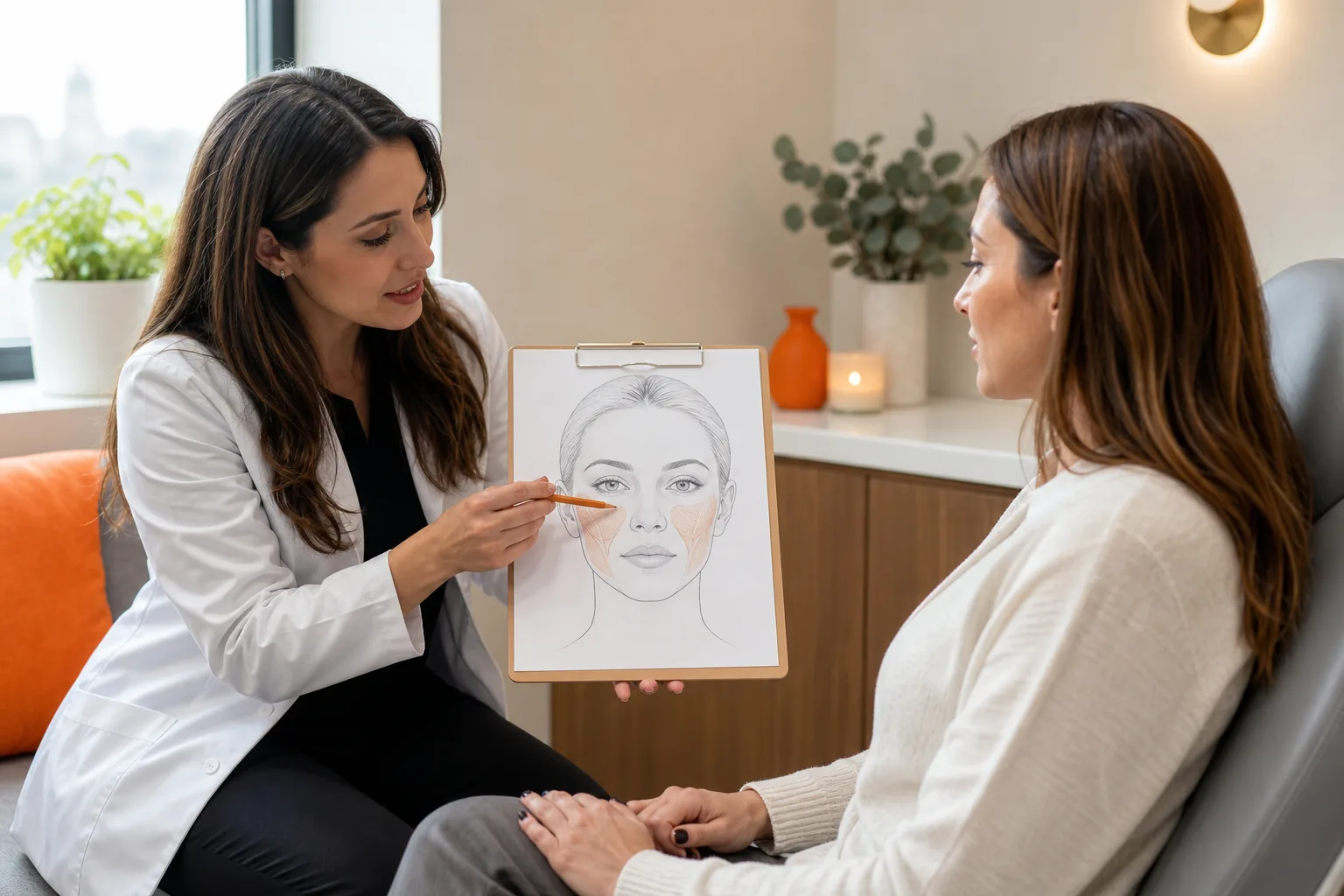
A consultation is the way to decide whether filler fits your goals and health history. A provider may review allergies, medicines, prior reactions, and any active skin issue near the treatment site. Be open about your expectations. Filler may soften a fold, but it can’t stop aging or create the same change as a surgical lift.
Possible short-term effects include bruising, swelling, tenderness, redness, or small lumps. Less common but serious problems can include infection, an allergic reaction, or a blood vessel blockage .
Seek urgent medical care for sudden vision changes or severe, sudden symptoms after an injection. Contact your provider promptly if you notice worsening pain, pale or dusky skin, unusual discoloration, or other concerning changes around the treated area. Don’t wait for a routine follow-up if symptoms feel urgent.
Some goals may call for a different discussion. Botox works by affecting muscle movement, while filler adds volume; they don’t do the same job. Skin care may affect the look of surface texture, but it doesn’t replace lost volume. Fat transfer and surgery involve different procedures and recovery. A clinician can explain which options may fit your concern, and when a consultation with another medical professional makes sense.
Overfilling is a concern when the plan focuses only on erasing the crease. A face naturally has contours and folds. Ask how the proposed amount will be kept in proportion to your cheek, mouth, and smile. It’s reasonable to pause if you feel pushed toward more treatment than you want.
PS Aesthetics Wellness + Skinbar is a medical spa and salon in Edmond, Oklahoma. Its medical aesthetic treatments are performed or overseen by Paige Schwab, APRN, FNP-BC, a licensed nurse practitioner. Anyone considering care there can use an assessment to discuss goals, risks, and whether an injectable approach is appropriate.
Frequently Asked Questions
How long does nasolabial fold filler last?
It depends on the filler, treatment area, and your response. Some HA fillers may last six months or longer, while product information can give a different estimate for a specific formula. Ask about the exact product being considered.
Will filler remove my smile lines completely?
No, filler may make a fold look less deep, but it can’t promise to erase it. Some folds are part of normal facial movement and shape. A provider should discuss a realistic goal that preserves facial balance, including how the area may look when you smile.
Is filler or Botox better for nasolabial folds?
They work differently, so one isn’t automatically better. Filler adds volume, while Botox affects muscle movement. The right discussion depends on what is causing the fold to stand out and how treatment might affect your expression. Ask a qualified clinician to assess your face rather than choosing based on the treatment name alone.
What are the risks of filler near the nose and mouth?
Short-term effects may include swelling, bruising, tenderness, redness, or small lumps. Rarely, filler can block a blood vessel and cause a serious complication. Seek urgent care for sudden vision changes or severe symptoms. Contact your provider promptly about unusual pain or skin color changes after treatment.
How much does nasolabial fold filler cost?
The total depends on the product, amount, treatment area, and provider’s plan. Ask for an estimate before treatment, and confirm what it includes. You can also ask whether the plan might involve more than one area, since that may affect the total cost.
Conclusion
Filler may soften smile lines for some people, but the safest plan starts with a full assessment and a clear discussion of limits and risks. PS Aesthetics Wellness + Skinbar in Edmond offers aesthetic services, with medical aesthetic treatments performed or overseen by a licensed nurse practitioner. If you’re considering treatment, request an assessment to discuss whether an injectable option fits your goals.



Comments