


Dermal Filler Aftercare: A Day-by-Day Guide
Good dermal filler aftercare starts before you leave the treatment room. The surprising part is that leading clinical sources don't recommend pressing ice on treated skin, despite how common that tip is online. Use your injector's instructions first, then follow this day-by-day plan for swelling, exercise, heat, sleep, makeup, and follow-up care.
Table of Contents
Step 1: Follow Your Injector's Instructions Immediately
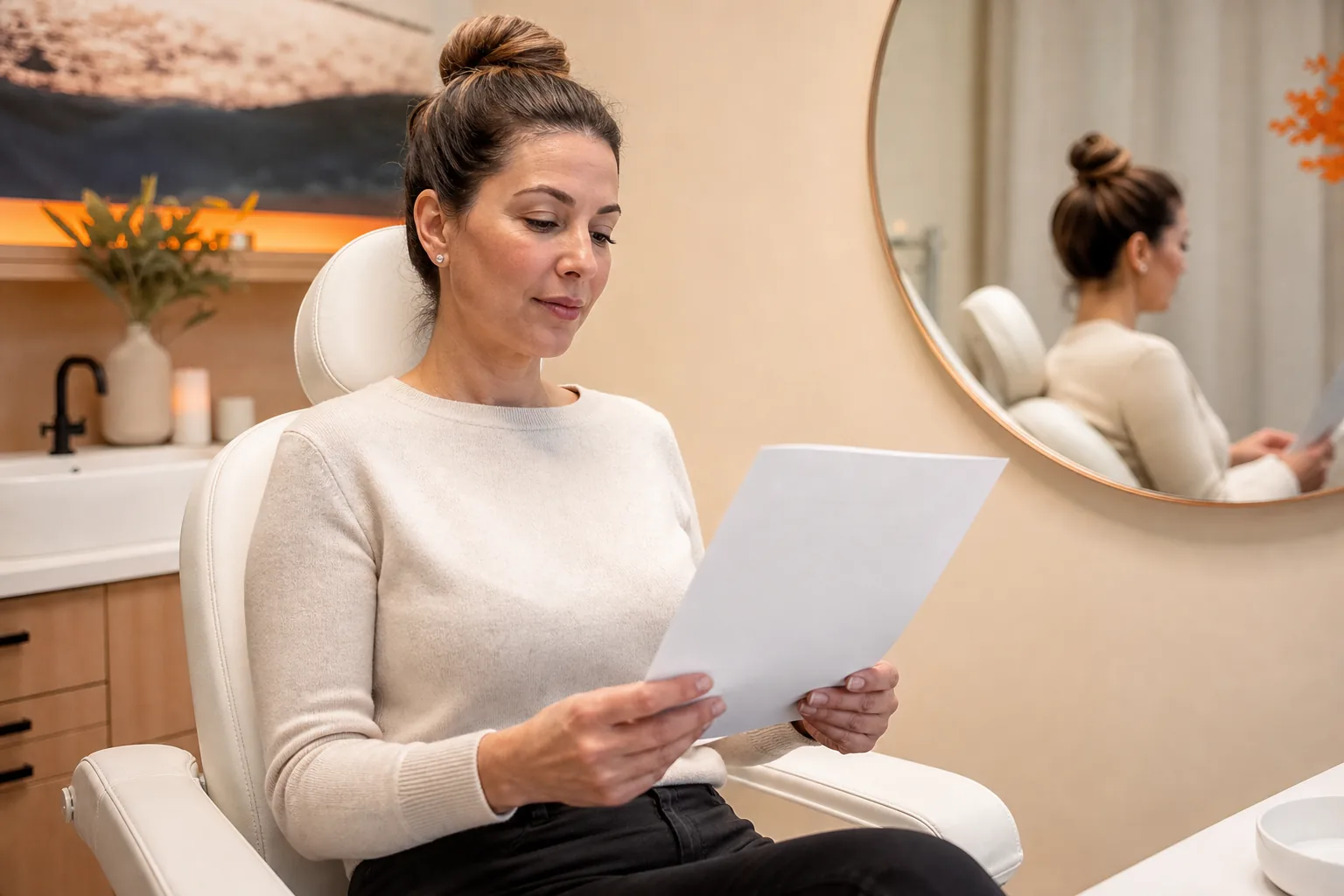
The first step in dermal filler aftercare is simple: follow the instructions from the person who treated you. Your injector knows the product, injection depth, treated area, and any health details that a general guide can't see.
Before you leave, ask what you should do during the first night. Confirm when you may wash your face. Ask when makeup is safe. If you take medicine that affects bleeding, ask before changing your dose. Never stop a prescribed medicine without guidance from the clinician who manages it.
Write down the name of the filler and the areas treated. Keep the clinic's written instructions where you'll see them. This helps if swelling changes later or if another clinician needs your treatment record.
For a broader look at treatment planning, PS Aesthetics Wellness + Skinbar also explains how to compare cosmetic procedures for face concerns . The right choice depends on the concern, the treatment area, and the recovery you can manage.
During the first few hours, leave the area alone. Don't rub it while washing. Don't press around a new lump to see if it moves. Don't ask a friend to massage your lips or cheeks. Several clinician sources advise avoiding facial massage or manipulation during the first few days.
Plan a quiet evening. Keep water close. If you need to work, choose tasks that don't involve heavy effort or long exposure to heat. A calm first night makes it easier to notice changes without adding more irritation.
Key Takeaway:Your injector's directions take priority because aftercare can vary by filler, location, and injection technique.
Step 2: Manage Swelling, Tenderness, and Bruising Safely
Swelling, tenderness, redness, and bruising can happen after dermal filler. They may look uneven at first, especially around the lips, because the treated tissue is still settling.
Keep your hands off the area unless you're gently cleaning it as directed. Wash with a mild touch. Pat the skin dry instead of dragging a towel across it. Skip facial tools, firm cleansing brushes, and home massage during the early recovery period.
Ice is a popular tip, but it wasn't recommended by any of the five sources reviewed for this guide. That doesn't mean you should ignore discomfort. It means you should ask your injector what type of cool support is suitable and how to apply it without pressure. One clinic source mentions a cold compress without pressing on the treated area.
Drink water through the day. Keep meals moderate in salt if swelling is a concern. Alcohol can worsen bruising and swelling, so many clinicians advise avoiding it for at least the first 24 hours. Your own injector may set a longer limit.
Don't take ibuprofen or another blood-thinning medicine just to prevent bruising unless your clinician says it's safe. If a medicine was prescribed for a health condition, ask the prescribing clinician before making any change.
Hyaluronic acid is used in many lip fillers, and general lip filler aftercare guidance notes that swelling often changes as the product settles. Early fullness isn't the final look. Judge the result after the initial swelling has eased.
Take one clear photo in the same light each day if your injector wants progress updates. Avoid checking every few minutes. Small changes are hard to judge when you keep shifting the angle or lighting.
Bruising often fades over several days, but the range is wide. One reviewed source describes most bruises improving after seven to ten days. Another source gives a broader possible downtime range of three to 21 days. Your treatment area and your body's response matter more than a fixed calendar.
Pro Tip:Use a clean, soft pillowcase and sleep with your head slightly raised if your injector approves. Avoid putting direct pressure on the treated area.
Step 3: Resume Exercise, Heat, and Water Activities Gradually
Activity is the part of dermal filler aftercare that causes the most confusion. There isn't one perfect timetable for every person. Still, the sources reviewed agree on one point: skip vigorous exercise during the early period.
For the first day, choose rest or light movement. A gentle walk may be fine if you feel well and your injector allows it. Don't turn that walk into a hard workout. Increased heat, sweat, and blood flow may make swelling more noticeable.
Wait for specific clearance before returning to intense gym work. Riverbanks Wellness & Aesthetic Clinic describes a two-to-five-day downtime range and advises avoiding strenuous exercise, swimming, saunas, and steam baths. The American Society of Plastic Surgeons also warns against heat, pressure, and vigorous exercise after filler.
Use the table as a planning aid, not as a replacement for your clinic's instructions.
Activity | Early approach | When to ask before returning |
Easy walking | Keep it short and cool if you feel well. | Ask if swelling is marked or pain is rising. |
Hard workouts | Pause during the early recovery window. | Ask your injector for a return day. |
Sauna or steam room | Skip it while swelling or bruising is present. | Confirm clearance before heat exposure. |
Swimming | Wait during the early period. | Ask when the treated sites are ready. |
Hot yoga | Put it on hold because it combines effort and heat. | Resume only after your injector agrees. |
Air travel may need planning too. Some aftercare guidance recommends waiting about a week after lip filler before flying because pressure changes may worsen swelling or bruising. If you have a trip soon, tell your injector before treatment rather than guessing afterward.
Food and drink can matter around lip injections. One clinician source advises avoiding very hot drinks and spicy food during the early period. Follow the advice you were given, especially if your lips feel numb from local anesthetic.
When you can return to an activity depends on how the treated area looks and feels. If exercise makes throbbing or swelling worse, stop and contact your injector for guidance.
Step 4: Protect the Treated Area as Results Develop
Protecting the area gives the filler time to settle. Dermal filler aftercare should stay gentle even when you feel tempted to inspect, shape, or press the result.
Sleep on your back if you can do so comfortably. Side or stomach sleeping may put pressure on the treated area. Don't force an uncomfortable sleep position, but avoid resting your face directly on the pillow.
Keep skincare basic for the first day unless your injector says otherwise. Use only products that your clinic has approved. Hold off on strong exfoliants, facial devices, aggressive scrubs, and treatments that create heat. Your skin may be more reactive around the injection points.
Ask when makeup is safe. If you apply it, use clean hands or tools and don't press hard over the sites. Remove it with the same light touch. Avoid sharing cosmetics, brushes, or towels while the skin is recovering.
Sun exposure can make redness more noticeable and can feel unpleasant on tender skin. Wear a hat and stay in the shade when possible. Ask your injector when sunscreen may go over the treated area, then use the type they recommend.
Don't use facial rollers or try to fix unevenness at home. Mild unevenness is common while swelling shifts. Massage is sometimes used later for a specific concern, but only when the treating clinician directs it. Early poking can make a small issue harder to assess.

Results can look fuller at first because of swelling. As that fades, the appearance may soften. Many lip filler patients see the shape settle over roughly four weeks, though timing varies by product and person. Take a patient approach. The mirror on day one isn't the final judge.
PS Aesthetics Wellness + Skinbar can help you plan injectables around your skin goals and schedule. Bring your questions to the visit. A clear plan is better than trying to correct normal early swelling on your own.
Step 5: Attend Follow-Up and Know When to Call
The final step is to monitor the area and keep your follow-up plan. A review lets your injector see the result after early swelling has changed.
Ask when your clinic wants to ed source lists follow-up at about four days, while other practices may choose a different time. Don't book extra treatment because the first result looks uneven. Wait for the date your injector gave you.
Contact your injector if swelling or bruising is intense, keeps getting worse, or lasts longer than the timeframe you were given. Also reach out if you develop a firm lump, a spreading rash, drainage, or pain that doesn't fit the expected pattern.
Seek urgent medical help for sudden severe pain or a marked change in skin color. White or blotchy skin near the injection area can signal reduced blood flow. Vision changes, weakness, trouble speaking, or severe headache also need urgent assessment.
Don't wait for a routine follow-up when symptoms feel serious. Call the clinic's published care channel or seek emergency care based on the symptom. Keep your treatment details ready so the clinician can act quickly.
Before your appointment, tell your injector about past cold sores. Lip injections can trigger an outbreak in people with a history of herpes simplex. Your clinician can decide whether you need a prevention plan.
Keep a short record of the date, treated areas, product name, and symptoms. Note what makes swelling better or worse. This gives your injector useful detail at the review and helps with future visits at PS Aesthetics Wellness + Skinbar.
Key Takeaway:Normal swelling should trend down, while severe pain, unusual color change, or vision symptoms call for prompt medical advice.
Dermal Filler Aftercare FAQ
Can I put ice on my face after filler?
Ask your injector before using anything cold after filler. None of the five reviewed sources recommends pressing ice directly on treated skin. One source mentions a cold compress without pressure. If your clinician approves cooling, use the method and timing they give you. Never press, rub, or massage the injection area to reduce swelling.
How long should I avoid exercise after dermal filler?
Most people should avoid vigorous exercise during the early recovery period after dermal filler. The reviewed guidance ranges from about two to seven days, with one source noting a wider possible range. Your injector may set a different plan based on the treatment area. Resume gently, and stop if heat or effort increases throbbing.
When can I sleep on my side after filler?
Sleep on your back during the first night if you can do so comfortably. Side sleeping can put pressure on treated areas, especially after lip or cheek injections. Ask your injector when your usual position is fine. Don't force a painful posture, but keep your face from pressing into the pillow while swelling is active.
How long does swelling last after dermal filler?
Swelling after dermal filler often improves over several days, but the exact time varies. Bruising may take seven to ten days to fade, while some people need longer. Lip filler can keep settling for about four weeks. Contact your injector if swelling is severe, worsens, or lasts beyond the expected window.
What symptoms are an emergency after filler?
Severe or sudden pain, white or blotchy skin, and vision changes need urgent medical attention after filler. These signs may point to a serious blood-flow problem. Contact your injector right away and seek emergency care when symptoms are severe. Don't massage the area or wait for a scheduled check if something feels wrong.
Follow your injector's written plan, keep the first few days calm, and don't try to reshape the result yourself. If you're considering treatment, schedule a consultation with PS Aesthetics Wellness + Skinbar and ask for a written recovery plan before your appointment.


Comments