


Cosmetic Procedures for Face: A Step-by-Step Guide
- Paige Schwab
- 7 days ago
- 8 min read
The right facial treatment depends on the problem you want to change, not the trend of the month. Laser resurfacing may give years of texture improvement, while Botox works fast with no downtime but needs repeat visits. Use these five steps to match your goals, skin, schedule, and budget with a sensible plan.
Table of Contents
Step 1: Define Your Facial Concerns and Treatment Goals
Start by naming the concern you want to address with cosmetic procedures for face care. “I want to look better” is too broad for a safe treatment plan. Try to be more exact.
Dynamic lines:wrinkles that show when you frown, smile, or squint.
Static lines:creases that remain when your face is still.
Volume loss:less fullness in the cheeks, lips, temples, or under-eye area.
Skin texture:roughness, enlarged pores, acne scars, or fine lines.
Color changes:brown spots, redness, sun damage, or uneven tone.
Laxity:skin that feels loose around the jaw, cheeks, or neck.
Then write down your preferred result. You may want softer frown lines without changing your expressions. Or you may want smoother skin and less sun damage while keeping your features the same. That distinction guides the treatment choice.
Think about timing, too. Do you have an event in two weeks? Are you willing to take two days off work? Would you rather choose a lower-cost treatment that needs regular maintenance? These answers matter as much as the concern itself.
Treatment plans should be tailored to a patient’s skin, goals, and treatment needs. Concerns may include wrinkles, texture, volume, discoloration, and scarring.
At PS Aesthetics Wellness + Skinbar , this goal-first discussion helps shape the visit. Bring a list of concerns, your current skin products, past procedures, and any history of cold sores or pigment changes.
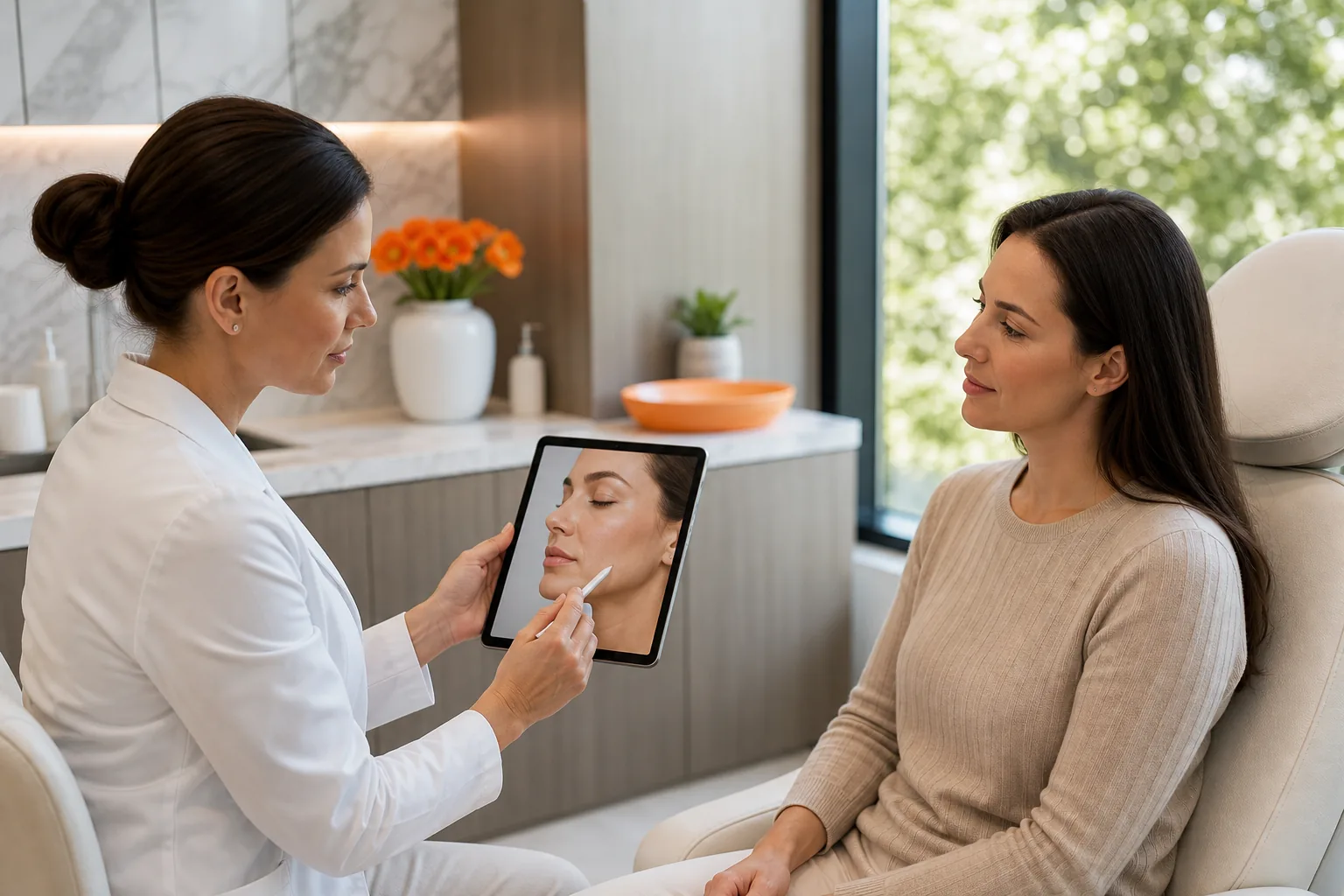
Key Takeaway:Choose the result first. The procedure comes after you define the line, spot, scar, volume change, or laxity you want to improve.
Step 2: Match Your Concern to the Right Cosmetic Procedure
Once you know your goal, match it to the treatment type. The best cosmetic procedures for face concerns work on the cause of the concern, not only its surface look.
Concern | Common treatment match | What it targets | Planning note |
Frown lines or crow’s feet | Botox | Muscle movement that creates dynamic wrinkles | Results are temporary and maintenance is expected |
Lost cheek or lip fullness | Dermal fillers | Volume loss and static folds | Product type and treatment area affect how long results last |
Acne scars or enlarged pores | Microneedling | Texture and collagen response | Several sessions may be needed |
Sun damage or rough surface skin | Chemical peel | Damaged upper skin layers | Sun protection is part of the plan |
Fine lines, discoloration, or uneven texture | Laser resurfacing | Upper skin layers and surface quality | Recovery depends on the laser and treatment depth |
Early loose skin | Non-injectable option | Skin laxity and wrinkle appearance | Ask how long the result is expected to last |
Botox temporarily relaxes targeted muscles. Research used for this guide places its usual effect at about three to four months, with no reported downtime in that source. Bruising and swelling can still happen.
Fillers solve a different problem. They restore volume and can soften static wrinkles or improve facial contours. Results vary by product and treatment area.
Microneedling uses controlled pinpricks to prompt collagen production. It fits texture concerns better than muscle-driven lines. Chemical peels remove damaged upper layers, so they may help roughness and sun damage, but pigment risk and sun sensitivity need careful review.
A resurfacing option may be considered as part of a treatment plan; discuss whether it fits your goals and recovery preferences.
At PS Aesthetics Wellness + Skinbar, the right match may be one treatment or a staged plan. A person with forehead lines and sun damage may need two different approaches because those concerns come from different causes.
Step 3: Compare Resurfacing and Skin-Tightening Options
Resurfacing and tightening are often grouped together, but they do different jobs. Cosmetic procedures for face texture concerns usually resurface the outer skin. Treatments for laxity focus more on wrinkle reduction.
When resurfacing makes more sense
Laser skin resurfacing is a strong choice when your main concern is rough texture, fine lines, sun damage, discoloration, or acne scarring. The research summary for this guide places laser resurfacing at about $1,600 to $2,600, with roughly two days of downtime and results that may last several years.
That balance is why it is our preferred starting point for many people who want a lasting texture change without surgery. It costs more than a single Botox visit, but Botox needs repeat treatment every few months. Ask your provider which laser depth fits your skin type and goal. A deeper treatment may need more recovery.
When tightening makes more sense
A treatment for early laxity may fit around the face or neck. Sofwave is listed in the research as a non-injectable option for early laxity and fine lines, with no downtime in the cited source. Ulthera is also used for tightening, but the same research notes possible discomfort, swelling, and longer-lasting redness.
Radiofrequency microneedling can address fine lines, wrinkles, sagging, and skin plumpness. It also notes temporary point marks and minimal scabbing as possible effects.
Do not judge a treatment by its price alone. A high-cost session for laxity may give a shorter period of visible benefit than resurfacing. Compare the expected result, recovery, number of sessions, and likely maintenance plan as one package.
Pro Tip:Ask, “What problem does this treatment fix, and how long should I expect that change to last?” A clear answer is more useful than a promise of looking younger.
Step 4: Assess Safety, Provider Qualifications, Downtime, and Cost
Safety has to lead the decision when you compare cosmetic procedures for face concerns. Start by asking who performs the treatment, what training they have, and who handles a complication if one occurs.
Ask whether a licensed medical professional evaluates you before treatment. You should also learn which device, injectable, or peel will be used. A brand name alone does not tell you whether the treatment fits your skin or health history.
Review the medical spa practice guidelines before booking, especially if you are comparing facilities.
Use a full cost, not a single-session cost
A treatment with a low first-session price may cost more over time if it needs frequent maintenance. The research summary lists Botox at $466 and fillers at $694 in its comparison set. It lists laser resurfacing at $1,600 to $2,600, while Clear + Brilliant Touch starts at about $1,000.
These figures are research snapshots, not quotes. Your cost can change with the area treated, the provider, the product, and the number of sessions. Ask for the full plan in writing, including follow-up visits and aftercare products if they are required.
Plan your downtime honestly
Zero downtime does not mean zero side effects. Botox and fillers may cause bruising or swelling even when you return to work the same day. Microneedling may need about one day of recovery. Chemical peels often need three to seven days, depending on the peel.
Schedule treatment when you can follow the aftercare plan. Do not book a peel or laser session right before a beach trip, major event, or long flight unless your provider says the timing is safe.
At PS Aesthetics Wellness + Skinbar, use the consultation to ask direct questions about risks, recovery, and follow-up. A good plan should leave room for a slower treatment choice if your first idea is not the safest fit.
Step 5: Build a Personalized Treatment and Aftercare Plan
Your final step is to turn a treatment choice into a schedule. A personalized plan for cosmetic procedures for face care should show what happens before the visit, during recovery, and at follow-up.
Set the order
Start with the treatment that addresses your main concern. If you have several concerns, ask whether they should be treated together or in stages. Combining treatments may save time, but it can also increase irritation or make it harder to tell which treatment caused a reaction.
For example, you might first improve skin texture with resurfacing. Later, you could reassess volume or expression lines. This staged approach gives your face time to heal and lets you judge each result before adding another change.
Write down your aftercare
Keep instructions simple and visible at home. Your plan may include:
When you can wash your face.
When makeup and active skincare can return.
How long to avoid heat, hard exercise, pools, or direct sun.
Which moisturizer or sunscreen your provider approves.
Which symptoms need a prompt check-in.
After microneedling, gentle cleansing and sun protection matter while the skin barrier recovers. PS Aesthetics Wellness + Skinbar has a detailed microneedling aftercare guide that explains the first rinse, product use, makeup timing, and warning signs.
If microneedling is part of your plan, you can also review how PRP may be paired with the treatment in this guide to microneedling with PRP benefits and aftercare . Keep in mind that your own provider’s instructions should come first.
Schedule a follow-up before you leave. Some results appear quickly. Others develop over weeks as collagen changes. A follow-up gives your provider a chance to assess healing and decide whether you need maintenance or no further treatment.
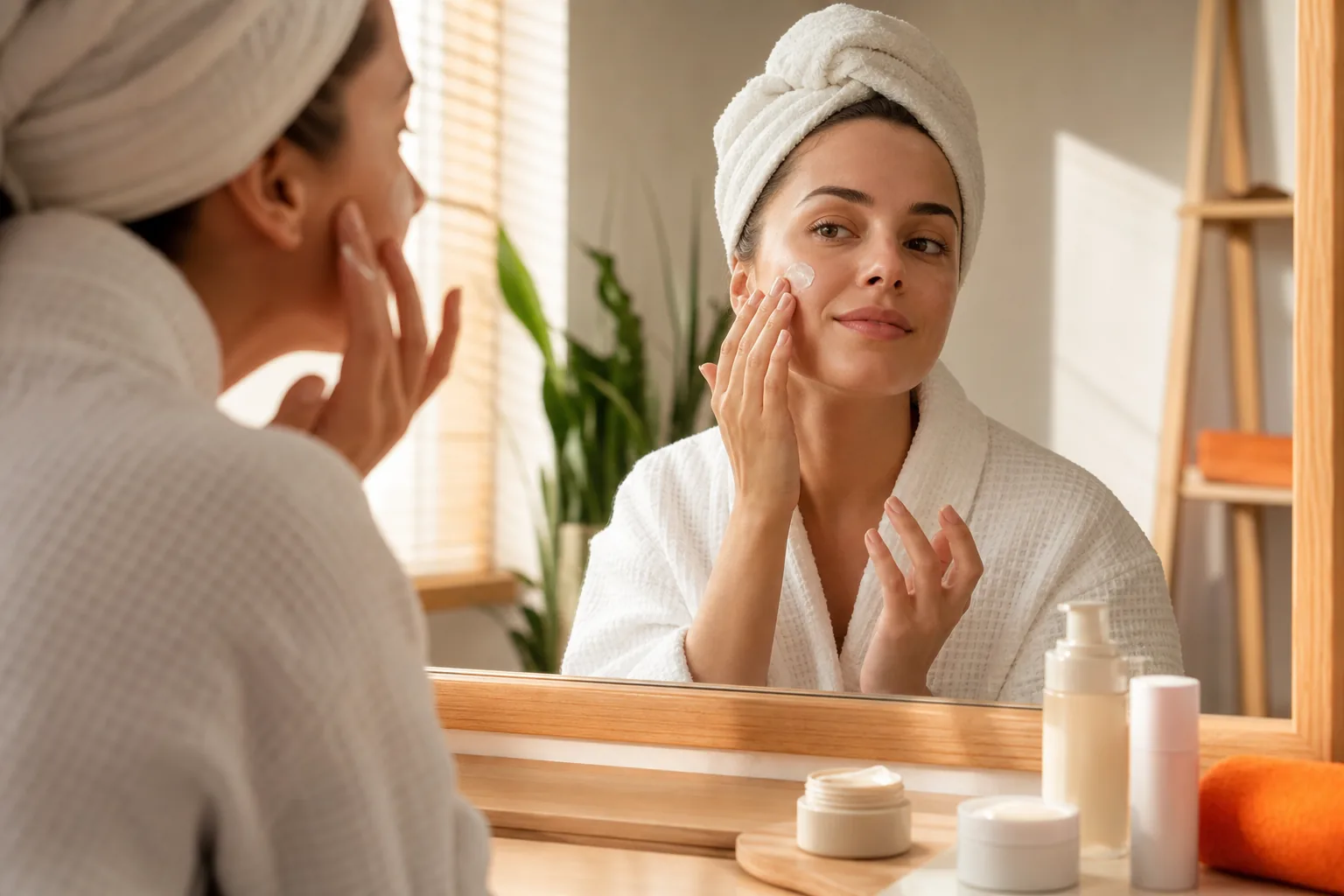
Key Takeaway:The safest plan includes a treatment date, a recovery window, clear aftercare, and a follow-up decision.
FAQ: Cosmetic Procedures for Face
What are the most common cosmetic procedures for face concerns?
The most common options include Botox for dynamic wrinkles, dermal fillers for volume loss, microneedling for texture, chemical peels for surface damage, laser resurfacing for tone and texture, and procedures for early laxity. The right choice depends on the cause of your concern, your skin type, your budget, and how much recovery you can accept.
Which facial procedure lasts the longest?
Laser resurfacing may last several years for skin texture, based on the research summary used here. Filler results vary, while Botox often lasts about three to four months. Results vary by treatment depth, product, area, skin condition, and your body’s response.
What facial treatment has the least downtime?
Botox and dermal fillers are commonly listed with zero days of downtime, although bruising and swelling can still occur. Some procedures targeting early laxity also report no downtime. “No downtime” means you may resume normal activity, not that your skin will look unchanged immediately.
How do I choose a safe provider for facial procedures?
Choose a provider who completes a medical assessment, explains the exact treatment, reviews risks, and gives written aftercare. Ask about training, licensure, the device or product used, and the plan for follow-up. You should feel comfortable delaying treatment if your questions are not answered clearly.
Is laser resurfacing better than Botox?
Laser resurfacing is better for skin texture, discoloration, scars, and fine lines, while Botox is better for wrinkles caused by muscle movement. They solve different problems. Some people may use both over time, but a qualified provider should decide the order and timing after reviewing your skin and goals.
Conclusion
Start with the concern you want to change, then compare expected results against recovery and long-term cost. For lasting texture improvement, laser resurfacing deserves a close look. Book a consultation with PS Aesthetics Wellness + Skinbar in Edmond to discuss your skin, timeline, and the treatment plan that fits you.


Comments