


Microneedling with PRP: Benefits, Procedure, and Aftercare
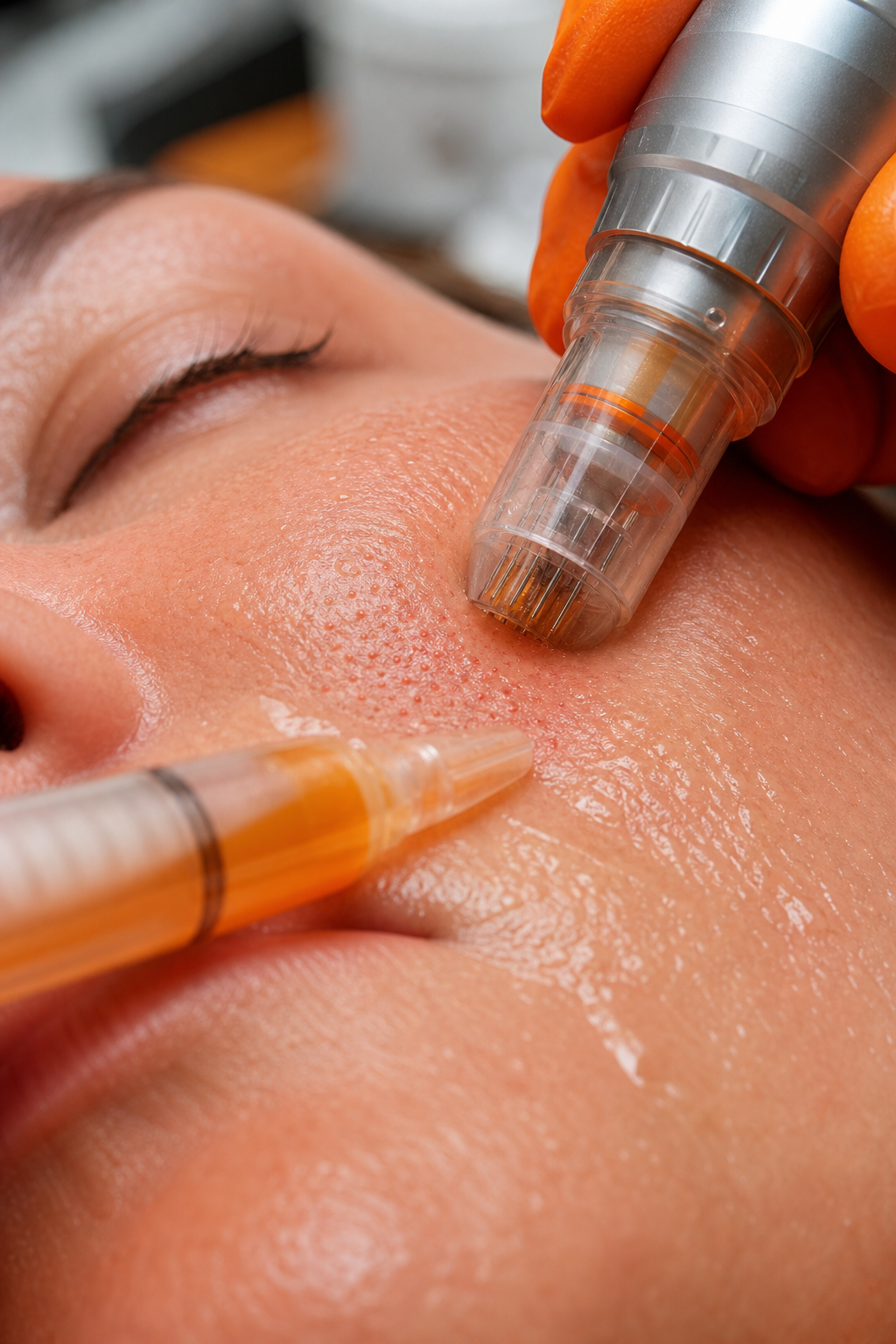
Microneedling with PRP is one of the most talked-about skin treatments right now. It combines tiny needles with your own blood's healing power to make your skin look younger. People use it for wrinkles, scars, and dull skin. But is it worth the hype? In this guide, you'll learn exactly what it is, how it works, the benefits, what to expect during the procedure, and how to take care of your skin afterward. Whether you're thinking about getting it done or just curious, this article gives you the facts you need to decide.
What Is Microneedling with PRP?
Microneedling is a cosmetic procedure. A device with tiny, sterile needles punctures the top layer of your skin. These micro-injuries trigger your body's natural healing response. Your skin makes more collagen and elastin. That helps repair scars, fine lines, and sun damage.
PRP stands for platelet-rich plasma. It's made from your own blood. A small amount of blood is drawn and spun in a centrifuge. This separates the platelets from the rest of the blood. Platelets contain growth factors that speed up healing and tissue repair.
When you combine microneedling with PRP, the PRP is applied to the skin right after needling. The tiny channels let the PRP soak deep into your skin. This boosts collagen production even more than needling alone. According to Wikipedia's entry on platelet-rich plasma , PRP is used in many medical fields to accelerate healing.
At PS Aesthetics Wellness + Skinbar , we offer this advanced treatment in Edmond, Oklahoma. Our medical team uses top-of-the-line devices and sterile techniques to give you safe, effective results.
Microneedling with PRP is safe for all skin types. It doesn't use heat like lasers, so there's less risk of pigmentation changes. The procedure is well-tolerated and recovery is quick. Most people see improvements in skin texture and tone after a few sessions.
Key Takeaway:Microneedling with PRP combines collagen induction therapy with growth factors from your own blood for superior skin rejuvenation.
How Does Microneedling with PRP Work?
Let's break down the science in simple terms. Your skin is made of layers. The top layer is the epidermis. Below that is the dermis, where collagen and elastin live. Collagen gives skin firmness. Elastin gives it bounce.
As we age, collagen production slows down. Sun exposure, pollution, and lifestyle habits speed up this loss. That's where microneedling comes in. The needles create controlled damage. Your body sees this as an injury and sends healing cells to the area. Those cells produce new collagen and elastin.
PRP amplifies this process. Platelets release growth factors like PDGF, TGF-beta, and VEGF. These attract stem cells and fibroblasts. Fibroblasts are the cells that build collagen. A study from the National Center for Biotechnology Information explains that growth factors in PRP can boost tissue regeneration.
The procedure has two steps. First, the microneedling device creates microchannels. Second, PRP is applied topically. It penetrates through the channels and goes straight to the dermis. This gives the growth factors direct access to where they're needed most.
Results aren't instant. Collagen takes time to rebuild. You'll notice gradual improvements over weeks. Most people need 3 to 6 sessions spaced 4 weeks apart for best results.
"The combination of microneedling and PRP creates a powerful synergy that can dramatically improve skin texture, firmness, and overall appearance."
Key Benefits of Combining Microneedling with PRP
Why add PRP to standard microneedling? Here's a look at the main advantages. Benefits go beyond what either treatment can do alone.
Benefit | How It Helps | Best For |
Faster healing | PRP's growth factors speed up recovery after needling | Anyone wanting less downtime |
More collagen | Platelets boost collagen production more than needling alone | Fine lines and wrinkles |
Reduced inflammation | PRP has anti-inflammatory properties | Post-treatment redness and swelling |
Improved scar appearance | Microneedling breaks up scar tissue while PRP rebuilds healthy skin | Acne scars, surgical scars |
Natural and safe | Uses your own blood — no risk of allergic reaction | Patients with sensitive skin |
Studies show that microneedling with PRP can be more effective than microneedling alone for certain conditions. For acne scars, some research indicates a 50% improvement with the combination. But results vary.
Another big benefit is that PRP can reduce downtime. The anti-inflammatory cytokines in platelets calm the skin. Patients often report less redness and swelling compared to standard microneedling.
At PS Aesthetics Wellness + Skinbar , we tailor each treatment to your skin's needs. Our certified professionals ensure you get the best possible outcome.
Pro Tip:If you have active acne, wait until it's under control before getting microneedling with PRP. The procedure can spread bacteria and make breakouts worse.
The Microneedling with PRP Procedure: Step by Step
Knowing what happens during the treatment can ease any anxiety. Here's a typical step-by-step walkthrough.
Step 1: Consultation and Prep
Your provider will examine your skin and medical history. They'll discuss your goals and decide if you're a good candidate. You'll also get pre-care instructions: avoid blood thinners, alcohol, and retinoids for a few days.
Step 2: Numbing
A topical anesthetic is applied to your face. It sits for 30 minutes to ensure you're comfortable. Some offices ask you to apply it at home.
Step 3: Blood Draw
While you're numbing, a small amount of blood is drawn from your arm. It's placed in a centrifuge to separate the PRP. This takes about 10, 15 minutes.
Step 4: Microneedling
Once numbed, your provider glides the microneedling device over your skin. It creates tiny punctures. You may feel a light pricking sensation. Treated areas include face, neck, or other body parts. This part lasts about 30 minutes.
Step 5: PRP Application
Immediately after needling, the PRP is spread over the skin. It's massaged in to help absorption. Some providers use a second pass of needling to drive PRP deeper.
Step 6: Soothing
A calming serum or mask is applied. You might have mild redness and swelling, which is normal. You can go home after a short observation.
The entire appointment lasts about 60, 90 minutes. According to a guide on microneedling with PRP , most people need 3, 6 sessions for optimal results.
Recovery and Aftercare Tips
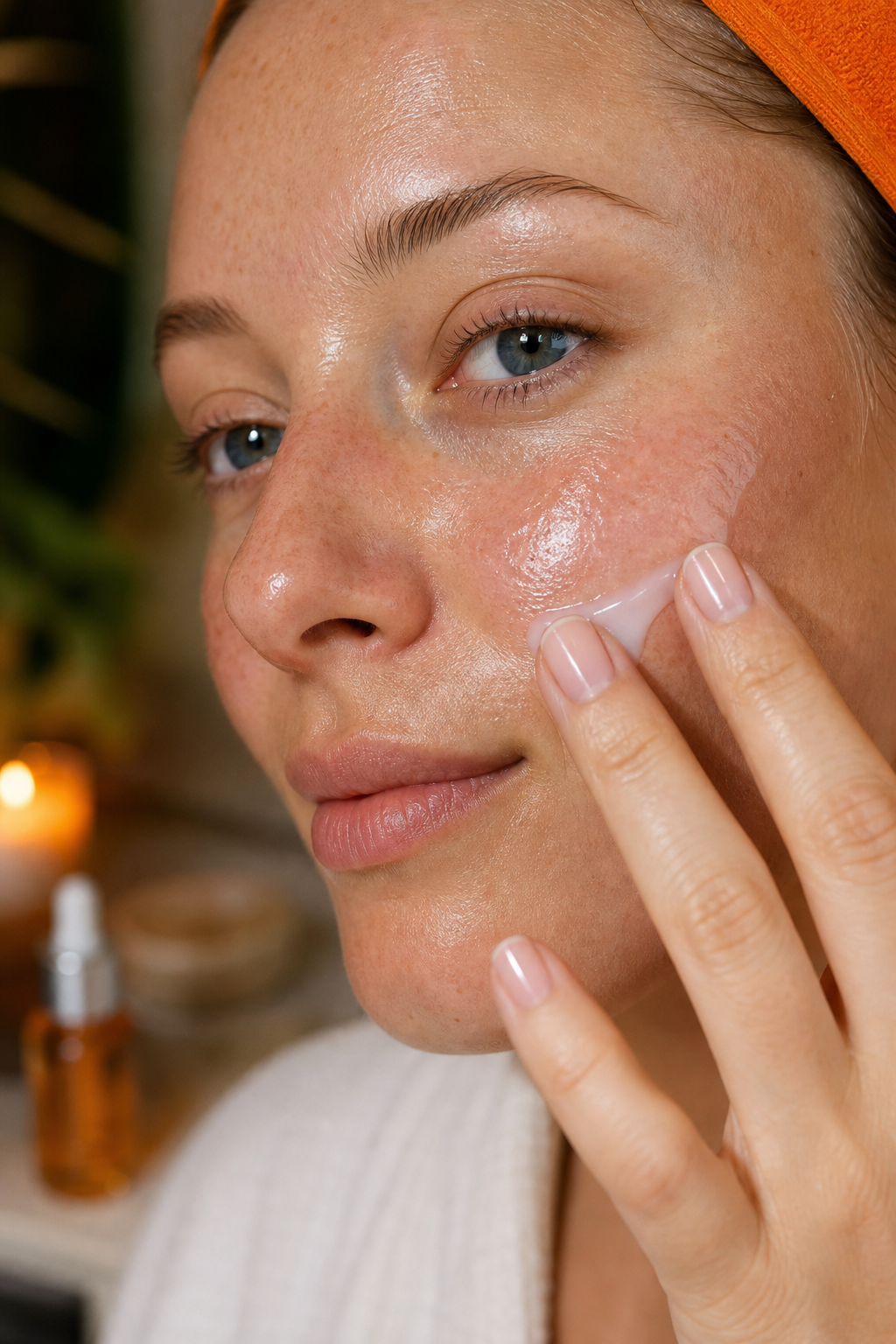
Your aftercare routine is just as important as the treatment itself. Good care speeds healing and enhances results. Follow these tips for the best outcome.
First 24 Hours
Don't wash your face for at least 4, 6 hours.
Avoid touching your skin.
Skip makeup and heavy creams.
Sleep with your head improved to reduce swelling.
Use a cold compress if needed.
Days 2, 5
Cleanse gently with a mild, fragrance-free cleanser.
Apply a hydrating serum with hyaluronic acid.
Use a gentle moisturizer to protect the barrier.
Avoid exfoliants, retinoids, and active acids.
Stay out of direct sun. Wear mineral SPF 30+ if you go outside.
Week 1, 2
Your skin may peel slightly. That's normal.
Continue gentle routine.
Avoid strenuous exercise that makes you sweat heavily.
No swimming, saunas, or tanning.
During recovery, your skin is rebuilding collagen. The PRP is still working beneath the surface. Some people incorporate cold plunge therapy to reduce inflammation and enhance recovery, but always check with your provider first.
Redness and swelling usually fade within 3, 5 days. You can return to daily activities the next day. Results become visible in 2, 3 weeks, with full effects after several months.
Key Takeaway:Patience and gentle care are essential. Your skin needs time to heal and regenerate after microneedling with PRP.
Potential Risks and Side Effects
Microneedling with PRP is low-risk, but no procedure is without potential issues. Most side effects are mild and short-lived.
Common Side Effects
Redness and swelling: These usually resolve in a few days.
Bruising: May occur at needling sites.
Dryness or flaking: Part of the healing process.
Mild discomfort: Feels like a sunburn.
Less Common Issues
Infection: Rare if proper sterilization is used.
Scarring: Possible if aftercare is ignored or skin is picked.
Hyperpigmentation: Can happen in darker skin types if exposed to sun.
Cold sore outbreak: If you carry the herpes virus, microneedling can trigger a flare. Tell your provider if you have a history.
PRP comes from your own blood, so there's no risk of allergic reaction. However, the centrifuge process must be sterile. A review from a medical resource notes that serious complications like infection or blindness (with periocular injections) are extremely rare but possible with improper technique.
To minimize risks, always choose a qualified provider. Medical spas should have licensed professionals like nurse practitioners or doctors. Ask about their sterilization protocols and experience.
"The safety of microneedling with PRP depends heavily on the skill of the provider and the cleanliness of the environment."
FAQ
How long do results from microneedling with PRP last?
Results vary by person. Collagen production continues for months after treatment. With a full series of 3, 6 sessions, improvements can last 1, 2 years. Maintenance sessions once or twice a year help sustain benefits. Good skincare and sun protection also extend results.
Is microneedling with PRP painful?
The topical numbing cream makes the procedure very tolerable. Most patients describe a light prickling sensation during needling. Afterward, the skin feels warm and sensitive for a few hours. Over-the-counter pain relievers can help if needed.
Can I get microneedling with PRP if I have acne?
Active acne is a relative contraindication. The needles can spread bacteria and worsen breakouts. However, once acne is under control, microneedling with PRP can help reduce acne scars. Always consult with a provider to see if it's right for you.
How much does microneedling with PRP cost?
Prices vary by location and provider. On average, a single session ranges from $500 to $1,500. Packages for multiple sessions may offer discounts. Since it's a cosmetic procedure, insurance doesn't cover it. Check with your provider for exact pricing.
What is the difference between PRP and PRF?
PRP and PRF both use your blood. PRF (platelet-rich fibrin) contains a higher concentration of platelets and fibrin, which releases growth factors more slowly. PRF may be more effective for deeper skin rejuvenation. PRP is more common for microneedling. Your provider can recommend the best option.
Can I wear makeup after microneedling with PRP?
It's best to avoid makeup for at least 24, 48 hours. Your skin needs time to absorb the PRP and start healing. If you must wear makeup, use mineral-based products and clean brushes. Always follow your provider's specific aftercare instructions.
How soon can I exercise after treatment?
Avoid strenuous exercise for at least 48, 72 hours. Sweating can irritate the microchannels and increase infection risk. Light activity like walking is fine. Wait until redness and swelling have subsided before returning to intense workouts.
Is microneedling with PRP safe for all skin types?
Yes, it's generally safe for all skin colors and types. Unlike lasers, microneedling doesn't rely on heat, so it carries a lower risk of pigmentation changes. However, darker skin tones should still be cautious with sun exposure post-treatment. A skilled provider can adjust technique for different skin types.
Conclusion
Microneedling with PRP is a powerful tool for skin rejuvenation. It uses your body's own healing abilities to reduce wrinkles, scars, and sun damage. The combination of collagen induction and growth factors offers results that often exceed either treatment alone.
If you're considering this procedure, the key is finding a trusted provider. At PS Aesthetics Wellness + Skinbar , we combine medical expertise with a luxury spa experience. Our team customizes each treatment to your skin goals, ensuring safety and satisfaction.
Ready to discover what microneedling with PRP can do for you?Book a consultation today.We'll assess your skin, answer your questions, and create a plan that fits your needs. Your journey to younger-looking skin starts now.


Comments