


Erbium Laser Resurfacing: Benefits, Risks & Recovery
Erbium laser resurfacing can smooth rough texture and fine lines with less heat spread than some stronger resurfacing lasers. But “gentle” doesn’t mean risk-free, and the right settings matter more than the name on the device. Here’s how the treatment works, what it can improve, what recovery feels like, and what to ask at a consultation in Edmond.
We reviewed three published clinical studies on erbium laser resurfacing, covering 596 treated patients and treatment sessions. One study of 466 erbium treatments found a 10.1% complication rate for shallow microlaser peels versus 26.5% for deep full-field resurfacing. A separate 80-patient trial on Fitzpatrick skin types 4 and 5 used a fractional, low-intensity setting and saw hyperpigmentation in just 1 patient. Complication risk tracked with treatment depth and pattern, not with the erbium name itself.
Table of Contents
What Is Erbium Laser Resurfacing and How Does It Work?
Erbium laser resurfacing uses an erbium laser to remove controlled layers of damaged skin. One erbium wavelength used in resurfacing is 2,940 nanometers. Water in skin absorbs this energy, so the laser can vaporize very small amounts of tissue with precise control.
That process has two effects. First, it removes part of the outer skin layer. Then, the heat placed in the dermis starts a healing response that supports new collagen formation. As the skin heals, its surface may look smoother and feel more even.
The Cleveland Clinic’s explanation of laser resurfacing notes that lasers remove the epidermis while heating the dermis beneath it. The treatment can also cause minimal injury to surrounding tissue, which may shorten recovery for some patients.
Erbium treatment may be full-field or fractional. Full-field treatment covers the entire planned area. Fractional treatment leaves small islands of untreated skin between the laser columns. Those untouched areas help the skin repair itself sooner.
Here’s the detail many clinic pages leave out: wavelength does not tell you the full treatment depth. Depth depends on energy, pulse settings, passes, treatment pattern, and the part of the face being treated.
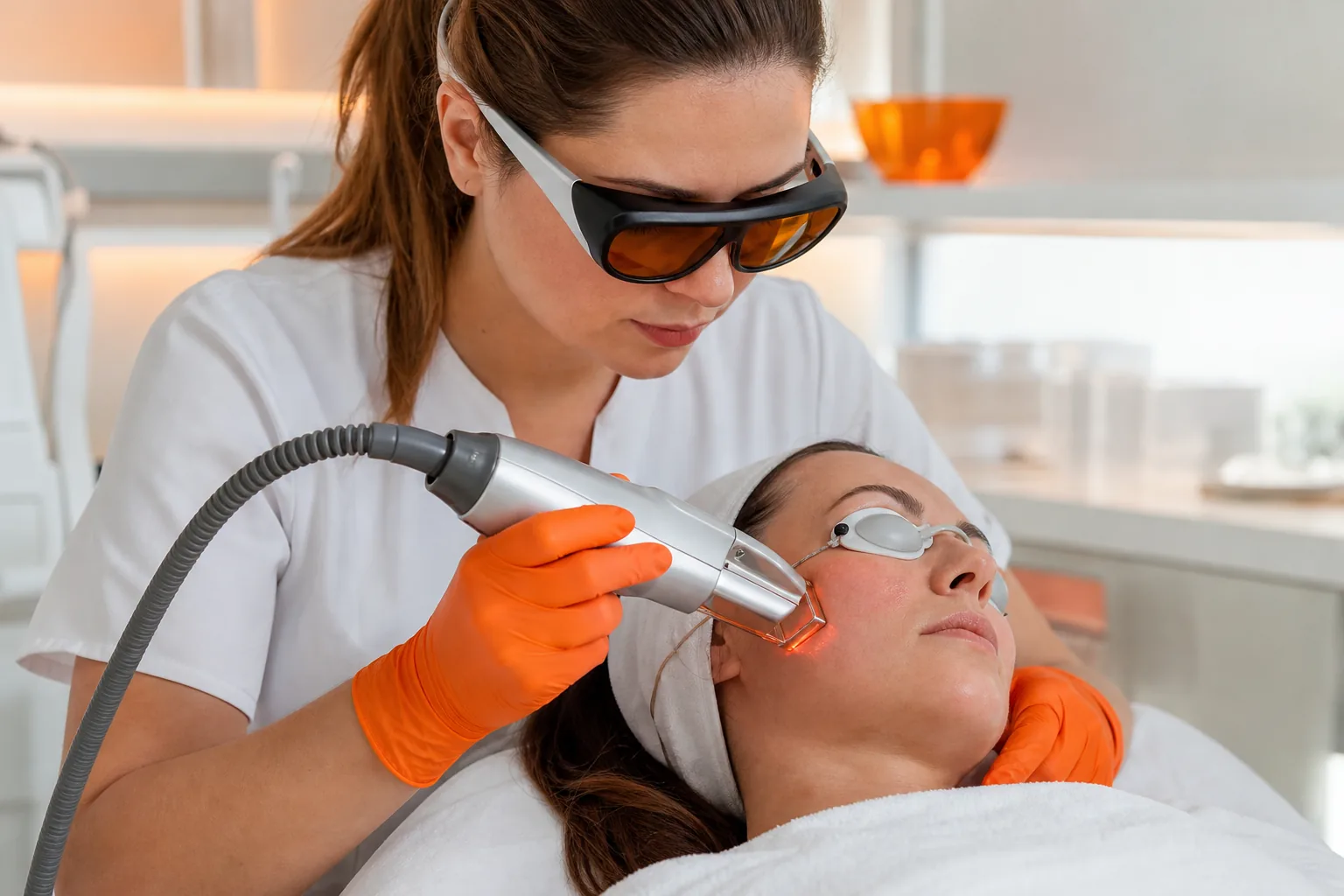
That’s why a consultation should cover more than the laser brand. Ask which areas will be treated, whether the plan is fractional or full-field, how deep the pass will be, and what skin response the provider expects. PS Aesthetics Wellness + Skinbar can use that discussion to match the treatment plan to your skin goals and your available downtime.
What Skin Concerns Can Erbium Laser Resurfacing Treat?
Erbium laser resurfacing is mainly used for surface concerns caused by age, sun exposure, or past acne. It works best when the concern sits in the skin’s texture or upper layers rather than deep facial structure.
Common treatment goals include:
Fine lines and mild wrinkles
Rough or uneven texture
Sun damage and age spots
Uneven pigmentation
Some acne scars
Selected surgical or trauma scars
Clinical guidance on laser resurfacing explains that resurfacing can improve fine lines, age spots, and uneven color. It also makes an important limit clear: laser treatment can’t correct loose, sagging skin in the same way a lifting procedure can.
Fine lines may soften because the laser removes worn surface cells and prompts collagen remodeling below. Pigment concerns may improve when the damaged outer layers are removed, but pigment can also become darker or lighter during healing. That risk deserves special attention if you have a medium or deep skin tone, a history of melasma, or a past reaction to skin injury.
Acne scars need a closer look. A shallow rolling scar may respond to resurfacing, while a deep ice-pick scar may need another approach. Some scars also have tethered tissue beneath them. Treating only the surface won’t release that base.
For readers focused on acne marks, our guide to Best Laser Skin Resurfacing for Acne Scars Cost Edmond OK can help frame the questions to bring to a consult. The key is to define the scar type before choosing a device.
Laser resurfacing can also improve the look of enlarged pores and coarse texture, but results vary. It won’t stop new sun damage, prevent normal aging, or replace daily skin care. Think of it as a surface remodeling treatment, not a full facial reset.
Who Is a Good Candidate for Erbium Laser Resurfacing?
A good candidate for erbium laser resurfacing has a clear surface concern, realistic expectations, and enough time for the skin to heal. Your provider should assess your medical history before recommending settings or even deciding if resurfacing is suitable.
During the consultation, share any history of:
Cold sores around the mouth or eyes
Slow wound healing
Keloid or raised scar formation
Autoimmune or connective-tissue disease
Diabetes or poorly controlled blood sugar
Recent skin infection or severe acne flare
Recent Botox, filler, surgery, or other procedures
Skin tone also affects the plan. A provider can assess how your skin responds to sun exposure. Darker skin can have a higher risk of post-inflammatory hyperpigmentation after ablative treatment, especially when the settings are too strong or the skin is not well prepared.
That does not mean people with deeper skin tones can never have resurfacing. It means the provider may choose a fractional pattern, lower energy, fewer passes, or a test spot first. A careful plan may include a healing check before treating a larger area.
The treatment should also fit your schedule. If you have a wedding, public event, work presentation, or major trip soon, even a shorter recovery may feel too long. Redness can remain after the surface closes, and makeup may be restricted during the early healing period.
Medical history matters just as much as the wrinkle or scar you want to treat. A provider who skips those questions is moving too fast.
PS Aesthetics Wellness + Skinbar takes a broader skin care view, which can be helpful when resurfacing is only one part of your plan. You may also want to review Unlock Radiance with Tailored Skin Care Solutions before your visit so you can describe your daily routine and current products clearly.
What Happens During Treatment and Recovery?
Erbium laser resurfacing usually starts with a skin review, cleansing, and numbing. The exact comfort plan depends on the treatment area and intensity. Small areas may need only local numbing, while a larger treatment may call for additional medicine to help you stay calm.
The provider then passes the laser over the planned area. You may feel heat, snapping, or a prickling sensation. Treatment time depends on the area and the chosen approach. A full face takes longer than a small area around the mouth or eyes.
Right after treatment, the skin may feel hot and tight. Swelling, redness, itching, and a weeping or crusted surface can occur with ablative resurfacing. Your provider may apply ointment and a dressing, depending on the depth and treatment area.
The average from four entries was six days. A deeper treatment may take longer, and some video-based clinical commentary placed the upper end near ten days.
The first week is about wound care. Follow the exact instructions for cleansing, ointment, dressings, and sun protection. Don’t pick peeling skin. Don’t add acids, retinoids, scrubs, or fragranced products unless your provider says they’re safe.
New skin may cover the treated area within about a week, but that doesn’t mean the process is finished. Pinkness can last longer. Collagen remodeling continues after the surface looks better, so early photos don’t show the final result.
Plan for quiet time at home. Keep pets, dirty water, intense heat, and direct sun away from healing skin. If pain, swelling, drainage, fever, or color change seems worse instead of better, contact the treating provider promptly.
Results, Risks, Cost Factors, and Choosing a Qualified Provider
Results from erbium laser resurfacing depend on depth, treatment pattern, skin condition, and aftercare. Fine lines and texture may improve after healing, while collagen changes continue over the following weeks. Deeper scars and stronger sun damage may need more than one session or a combined treatment plan.
Reported cost data is limited. One provider source lists about $1,200 to $3,000 per erbium session, but your quote may differ based on treatment area, anesthesia, provider training, and whether the plan includes other services. For additional context, compare Top Laser Skin Resurfacing Cost Options for 2026 before evaluating a quote. Ask whether the price covers the consultation, aftercare, follow-up visit, and any prescribed products.
Cost should never be the only filter. A low quote may reflect a smaller area or lighter treatment. A higher quote may include physician oversight or a more detailed aftercare plan. Compare what happens before, during, and after the laser session.
Decision point | What to ask | Why it matters |
Treatment depth | How deep will each pass go? | Depth affects results, discomfort, and healing time. |
Delivery pattern | Will the treatment be fractional or full-field? | Fractional treatment leaves untreated skin between laser columns. |
Skin tone | How will you reduce pigment risk? | Settings and test spots may need adjustment for deeper skin tones. |
Downtime | When can I work, wear makeup, and exercise? | A calendar plan helps prevent rushed healing. |
Aftercare | Who handles questions during recovery? | Fast guidance can help when redness or swelling changes. |
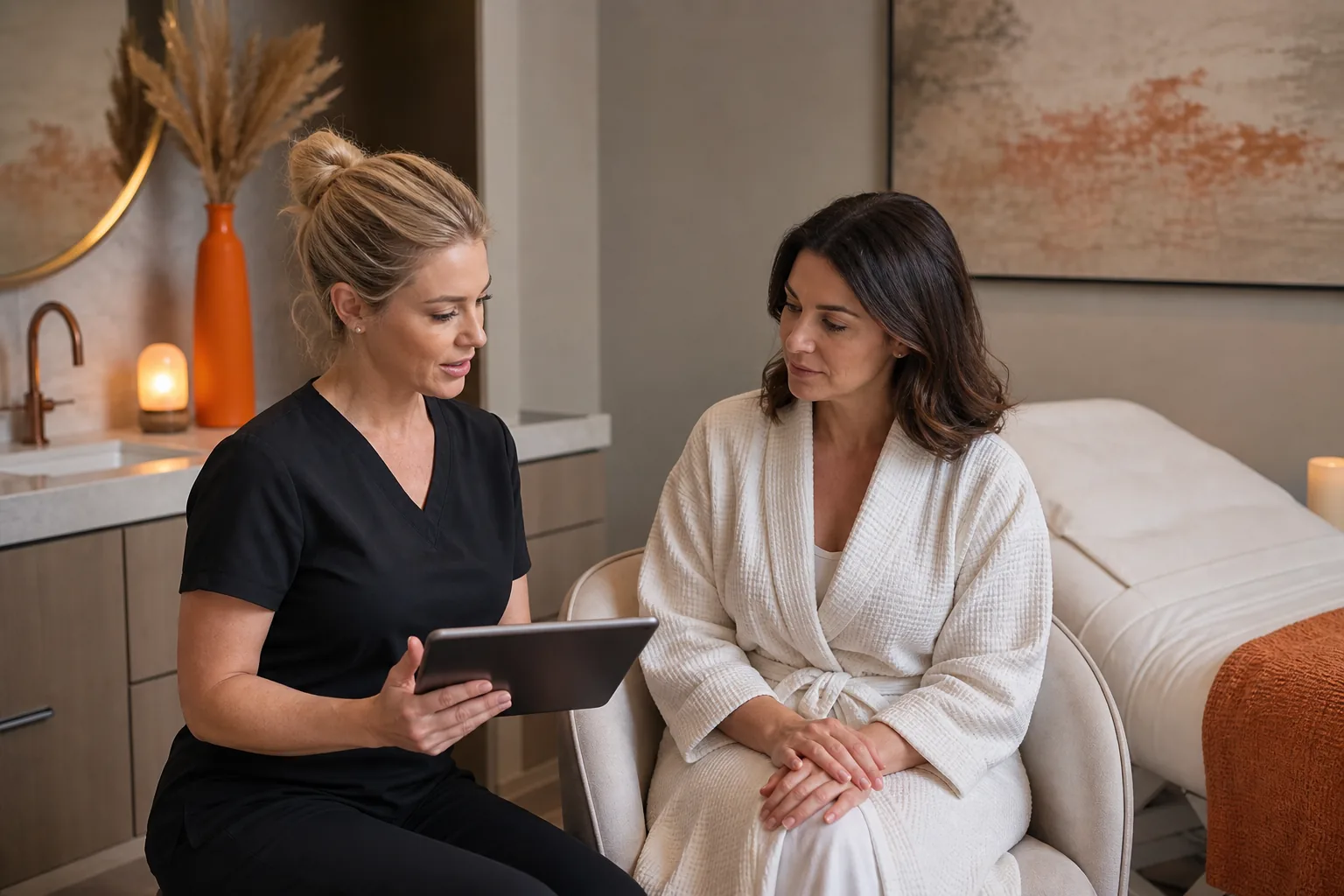
Risks include prolonged redness, swelling, infection, acne or milia, scarring, and changes in skin color. Eye protection is required when treatment is near the eyes. A history of cold sores may call for preventive medicine, since skin injury can reactivate the virus.
Ask for the actual plan rather than relying on marketing language.
For a wider look at skin renewal choices, Rejuvenate Your Skin with Advanced Skin Rejuvenation Techniques explains how resurfacing can fit beside other aesthetic options. The best plan may be a staged plan, especially when pigment, scars, and volume loss overlap.
When you compare providers in Edmond, look for a clear consultation process, documented training, honest recovery guidance, and a plan for complications. PS Aesthetics Wellness + Skinbar is a sensible place to start if you want an in-person assessment that connects laser resurfacing with a broader skin care plan.
Before you book, ask these five questions:
What exact concern are we treating?
What settings and treatment depth do you recommend?
What is the expected downtime for my skin tone?
How will you prevent and manage pigment changes?
What should I stop using before treatment?
FAQ
How long does erbium laser resurfacing take to heal?
Erbium laser resurfacing often has about five to seven days of main downtime, though deeper treatment can take longer. Your skin may close within a week, but redness and sensitivity can continue afterward. Healing depends on the treatment depth, area, fractional versus full-field delivery, skin tone, and how closely you follow aftercare instructions.
Is erbium laser resurfacing painful?
Erbium laser resurfacing can feel hot, sharp, or prickly, but numbing medicine reduces discomfort. The sensation depends on the area and energy settings. After treatment, tightness and heat are common. Your provider should explain the comfort plan before starting and tell you which pain relief methods are safe during recovery.
Is erbium laser resurfacing safe for darker skin?
Erbium laser resurfacing may be used for darker skin, but pigment risk requires careful planning. Fractional treatment, lower energy, conservative passes, and a test spot may help reduce problems. A provider should assess your skin tone and history of hyperpigmentation before recommending treatment. Never choose settings based only on a device name.
How many erbium laser resurfacing treatments will I need?
The number of erbium laser resurfacing sessions depends on your concern and the treatment strength. A stronger ablative session may produce a larger change at once, while fractional treatment may be spread across multiple visits. Your provider should set a target outcome first, then explain whether one session or a series makes sense.
Can erbium laser resurfacing remove acne scars?
Erbium laser resurfacing can improve some acne scars, especially scars linked to uneven surface texture. It may not correct deep, narrow, or tethered scars on its own. During consultation, ask whether the scar needs resurfacing, release, filler, or another treatment. The scar type should guide the plan rather than the laser alone.
Conclusion
Erbium resurfacing can be a strong option for fine lines, mild sun damage, uneven texture, and selected scars when the treatment depth fits your skin. Start with a consultation at PS Aesthetics Wellness + Skinbar , bring your product list and medical history, and ask for a written plan covering settings, downtime, risks, and aftercare.


Comments