


Peptide Therapy Anti Aging Benefits: An Expert Guide
- Paige Schwab
- Jul 13
- 7 min read
Peptide Therapy Anti
peptide therapy
Peptide therapy is one of the most talked-about treatments in anti-aging medicine right now, and for good reason. These short chains of amino acids do something most skincare ingredients can't: they signal your body to repair itself at the cellular level. This guide breaks down how it works, which peptides have the strongest evidence behind them, and what to expect when you pursue it with a qualified provider.
What Is Peptide Therapy and How It Works
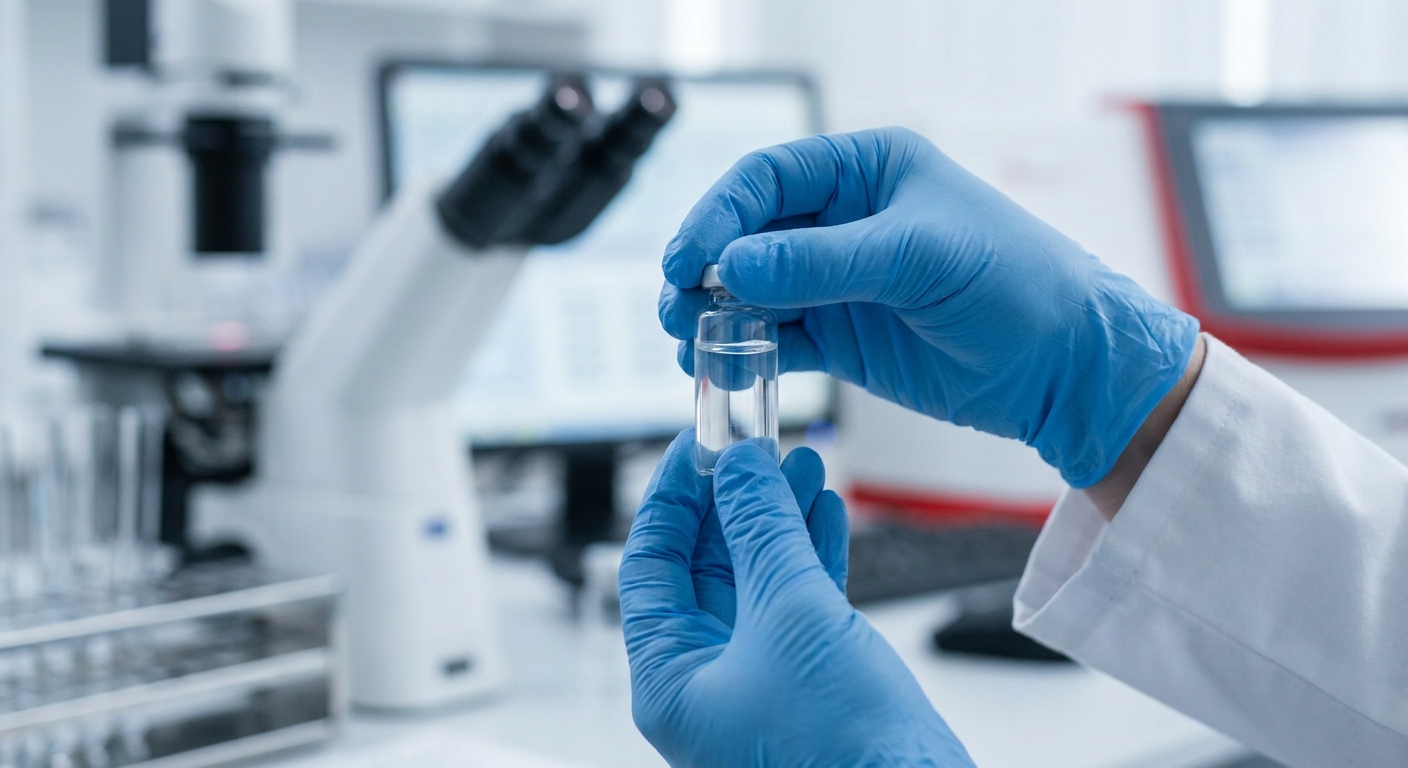
Peptides are short chains of amino acids, the same building blocks that make up proteins. Your body already produces thousands of them. They act like messengers, telling cells to do specific jobs: build collagen, release growth hormone, repair tissue, or clear out damaged cells.
As you age, your body makes fewer of these signaling molecules. That slowdown shows up as thinner skin, slower wound healing, less muscle mass, and reduced energy. Peptide therapy replaces or supplements those signals, essentially reminding your body of processes it used to do more efficiently.
Delivery methods vary by peptide and goal. Some are given as subcutaneous injections, others as oral capsules, and a few as nasal sprays or topical creams. Each route has tradeoffs. Injections reach the bloodstream directly. Oral peptides face digestion and absorption challenges. Topical formulations have to cross the skin barrier, which depends heavily on the peptide's size and the formula it's carried in.
The mechanism isn't one-size-fits-all either. Signal peptides stimulate fibroblasts to produce collagen. Carrier peptides deliver trace minerals like copper to sites where tissue repair happens. Neurotransmitter-inhibitory peptides reduce muscle contractions that cause dynamic wrinkles. Enzyme-inhibitory peptides block collagenase, the enzyme that breaks down your skin's structural proteins. Each class targets a different piece of the aging puzzle.
That mechanistic variety is part of why peptide therapy has attracted serious research attention. It's not a single drug with a single effect. It's a category of treatments, each designed around a specific biological target.
Key Takeaway:Peptide therapy works by restoring the chemical signals your body uses to repair and maintain itself, signals that naturally decline with age.
Cellular Anti-Aging Effects of Peptide Therapy
At the cellular level, the anti-aging effects of peptide therapy fall into a few distinct categories. Understanding them helps you ask better questions when you sit down with a provider.
Collagen and Extracellular Matrix Support
Collagen loss is the central story of skin aging. Your dermis loses roughly 1% of its collagen per year after your mid-twenties. Signal peptides counter this by activating fibroblasts, the cells responsible for producing collagen and hyaluronic acid. The result over time is firmer skin with better moisture retention and fewer visible lines.
Senolytic Activity
Senescent cells are sometimes called "zombie cells." They've stopped dividing but haven't died, and they release inflammatory signals that damage surrounding tissue. Senolytic peptides are designed to clear these cells out. Among the 24 peptides reviewed in recent research, senolytic activity was the most frequently cited anti-aging mechanism, appearing in 4 of 24 entries (17%). But here's the catch: those same senolytic peptides had the least documentation around dosage and safety, making them the category where caution matters most.
Telomere and Growth Hormone Pathways
Peptides like epitalon are marketed for telomere support, the idea being that longer telomeres correlate with healthier cell replication. Others, like CJC-1295, stimulate growth hormone release, which affects muscle maintenance, fat metabolism, and tissue repair. These mechanisms are real, but the evidence quality varies significantly between peptides. CJC-1295 has a documented typical dose (0.2 mg), while many others in the same category don't.
Immune Modulation
Peptides like Thymosin Alpha-1 support immune function, which matters for aging because immune decline (called immunosenescence) contributes to chronic inflammation and slower recovery. A well-functioning immune system is part of what keeps you looking and feeling younger.
One important note: the research landscape here is uneven. Peptides with solid clinical data, including BPC-157 and tirzepatide, come with clear mechanisms and documented side effect profiles. Others, particularly those marketed primarily online, repeat benefit claims without any dosage or safety data to back them up. That gap matters when you're deciding what to pursue.
Pro Tip:When researching any peptide, ask two questions before anything else: Is there a documented typical dose? Is there a safety profile? If both answers are no, that's a signal to dig deeper before committing.
Popular Anti-Aging Peptides and Their Benefits

A systematic review and meta-analysis published in Frontiers in Medicine in 2026 , covering 19 randomized controlled trials with 1,341 participants, found that peptides significantly improved skin hydration and brightness, with a meaningful effect on wrinkle reduction. Oral polypeptides showed the strongest results for hydration and wrinkle depth.
Here's how the most well-documented anti-aging peptides compare:
Peptide | Primary Benefit | Mechanism | Dosage Data Available? | Safety Profile Available? |
GHK-Cu | Skin rejuvenation | Copper carrier, collagen stimulation | Yes | Yes |
Argireline | Wrinkle reduction | Neurotransmitter inhibition | Yes (topical) | Yes |
BPC-157 | Tissue repair | Growth factor modulation | Yes | Yes |
CJC-1295 | Growth hormone release | GHRH analog | Yes (0.2 mg typical) | Yes |
Thymosin Alpha-1 | Immune support | T-cell activation | Yes | Yes |
Epitalon | Telomere support | Telomerase activation | Limited | Limited |
FOXO4-DRI | Senolytic (cell clearance) | Apoptosis of senescent cells | No | No |
Tirzepatide | Metabolic/weight | GLP-1/GIP receptor agonist | Yes | Yes (mild GI effects) |
GHK-Cu and Argireline are the best-documented choices for skin-focused goals. Both have peer-reviewed data on mechanism and tolerability. BPC-157 has strong tissue repair evidence, though most studies are preclinical. CJC-1295 is commonly used in medically supervised protocols for body composition and recovery.
The senolytic peptides (FOXO4-DRI and related compounds) are where the evidence gap is sharpest. They're marketed heavily, but none of the four senolytics identified in recent research had a safety profile on record. That's not a reason to dismiss them entirely, but it is a reason to pursue them only under close medical supervision.
One peptide worth flagging specifically: retatrutide. It's been marketed as an anti-aging peptide, but according to The Conversation's analysis of the peptide evidence landscape , it's been described as unauthorized and not assessed for safety, with a risk of containing impurities. No dosage or safety data exist for it in the reviewed literature. Avoid it unless regulatory status changes.
Choosing a Qualified Provider: What to Expect at PS Aesthetics Wellness + Skinbar
The quality of your results depends less on which peptide you choose and more on who supervises your protocol. A qualified provider doesn't just hand you a vial. They review your labs, assess your health history, match peptides to your specific goals, and monitor how your body responds over time.
That level of oversight matters because, as the research shows, only 42% of commonly marketed peptides have any safety profile documented at all. A provider who skips lab work or prescribes without a consultation isn't practicing medicine; they're guessing.
At PS Aesthetics Wellness + Skinbar in Edmond, Oklahoma, peptide therapy is part of a broader medically supervised wellness approach. The team works with clients on individualized protocols, not generic packages. That means your starting point is a real conversation about your goals, whether that's skin rejuvenation, metabolic support, hormone balance, or recovery, followed by a plan built around your actual biology.
PS Aesthetics also pairs peptide therapy with complementary treatments. Clients interested in skin-focused peptides like GHK-Cu often combine them with laser skin resurfacing or professional skincare to amplify results. Those focused on metabolic or hormone-related peptides may be working alongside the clinic's hormone optimization or medical weight-loss programs. That integration matters because no single treatment works in isolation.
What should you expect at your first visit? A thorough intake. Your provider should ask about current medications, existing conditions, and your goals in specific terms. They should explain which peptides they're recommending and why, what the delivery method will be, and what side effects to watch for. If a consultation feels rushed or skips the lab work conversation, that's a sign to look elsewhere.
PS Aesthetics serves clients from across the Edmond and greater Oklahoma City area who want a high-end experience that doesn't cut corners on the medical side. The environment is designed to feel like a luxury spa, but the clinical standards underneath are what actually protect your health and your results.
\"Peptide therapy works best when it's part of a personalized plan, not a one-size-fits-all protocol pulled from a website.\"
One usable note on expectations: peptide therapy is not a quick fix. Most protocols run for weeks to months before meaningful changes show up in skin quality, body composition, or energy levels. Providers who promise dramatic results in days are overpromising. The real benefit of working with a clinic like PS Aesthetics is that you have someone accountable for tracking your progress and adjusting the protocol when needed.
Frequently Asked Questions
How long does it take to see anti-aging results from peptide therapy?
Most people notice early changes in skin hydration and energy within four to eight weeks. More significant improvements in skin texture, elasticity, or body composition typically take three to six months of consistent treatment. Results vary based on which peptides you're using, your delivery method, and how well the protocol is matched to your biology. Patience and medical oversight both matter here.
Are peptides safe for long-term use?
Well-documented peptides like GHK-Cu, BPC-157, and CJC-1295 have established safety profiles and are generally well tolerated. A 2026 systematic review covering 1,341 participants found peptides had minimal adverse events across trials. That said, safety data are missing for many peptides, especially senolytics. Long-term use should always happen under medical supervision with periodic lab monitoring.
What's the difference between topical and injectable peptide therapy?
Topical peptides work on the skin's surface and upper dermis, making them good for wrinkle reduction and hydration when the formulation is designed for absorption. Injectable peptides enter the bloodstream directly, reaching systemic targets like growth hormone pathways or immune function. Injectable protocols are more potent but require a prescription and medical oversight. Many clients use both approaches for different goals.
Can peptide therapy replace Botox or fillers?
No, but they work well together. Peptides address underlying biology, stimulating collagen and supporting cellular repair. Botox and fillers address surface appearance more immediately. Combining them often produces better results than either approach alone. A provider at a clinic like PS Aesthetics Wellness + Skinbar can help you figure out which combination makes sense for your specific skin concerns and timeline.
Which peptides are best for skin rejuvenation specifically?
GHK-Cu and Argireline have the strongest evidence for skin-focused goals. GHK-Cu stimulates collagen and supports wound healing. Argireline reduces dynamic wrinkles by inhibiting neurotransmitter activity. Growth Differentiation Factor 11 also appears in skin rejuvenation research. All three have documented mechanisms and reasonable safety data, making them the most defensible starting points for skin-focused peptide therapy.
Is peptide therapy regulated by the FDA?
It depends on the peptide. Some, like tirzepatide, are FDA-approved drugs used off-label in wellness contexts. Others exist in a regulatory gray zone, compounded by pharmacies or sold without formal approval. A few, like retatrutide, have been flagged as unauthorized with unknown safety. This is exactly why provider selection matters: a qualified clinician knows which peptides have regulatory backing and which carry unknown risks.
Conclusion
Peptide therapy offers real, biologically grounded anti-aging benefits, but the evidence quality varies enormously between peptides. The safest path is working with a medically supervised provider who matches the right peptides to your actual health profile. If you're in the Edmond or Oklahoma City area, PS Aesthetics Wellness + Skinbar is a strong place to start: book a consultation and get a protocol built around your goals, not a generic menu.