


Top 13 Botox Cost per Unit Options to Consider

Botox pricing can swing by more than $5 per unit. That gap can add up to hundreds of dollars for a typical treatment. In the next few minutes you’ll see 13 places where you can get Botox, how each one sets its price, and what to watch for when you compare quotes.
We’ll walk through the options, break down the factors that push prices up or down, and give you a quick checklist to help you pick the right spot for your budget and safety needs.
1. Boutique Cosmetic Clinics in Major Cities , Premium Pricing
These clinics live in upscale neighborhoods, offer private treatment rooms, and often have board‑certified injectors with advanced training. The ambience feels more like a spa than a medical office. Because of the location and expertise, you’ll usually see per‑unit rates from $12 to $25.
Typical pricing example: a clinic in Manhattan may charge $22 per unit for Botox, with a minimum of 30 units for a forehead treatment. That works out to $660 before any discounts.
Pros:
High injector skill level.
Luxurious environment.
Personalized after‑care.
Cons:
Higher out‑of‑pocket cost.
May require a longer wait for appointments.
Imagine you’re planning a photo shoot and need flawless skin on short notice. A boutique clinic can often fast‑track your appointment and give you a detailed facial map, which helps you get exactly the look you want.
When you sit down with the injector, they’ll assess muscle strength, wrinkle depth, and your aesthetic goals. They’ll then recommend a unit count that matches your facial anatomy. This tailored approach reduces the chance of over‑ or under‑treatment.
Because you’re paying for expertise, the results tend to last on the longer side of the typical 3‑month window. That can mean fewer touch‑ups over a year, which softens the price difference.
Key Takeaway:If you value a premium experience and want a provider who can fine‑tune each unit, boutique clinics are worth the higher cost.
2. High‑Volume Dermatology Practices , Lower Per‑Unit Rates
Large dermatology groups see many patients each day. Their volume lets them negotiate better product pricing and spread overhead across more appointments. You’ll often see per‑unit rates between $10 and $20.
For example, a practice in New York City reports $18 per unit for Botox, with no minimum unit requirement. A typical forehead treatment using 20 units would cost $360.
These clinics usually have multiple injectors, so you might get a different injector each visit. That can be a pro if you like variety, but a con if you prefer continuity.
Pros:
More affordable per‑unit pricing.
Shorter wait times for new patients.
Often located in central business districts.
Cons:
Less personalized service.
Potential for variable injector skill.
According to Wikipedia’s Botox entry , the toxin works by temporarily blocking nerve signals. That basic science is the same whether you get it at a high‑volume clinic or a boutique spa; the difference is who injects it and how much you pay per unit.
Here’s a quick tip: ask the office how many injectors are on staff and whether you’ll see the same one each visit. Consistency can improve your results.
Pro Tip:Look for practices that offer a loyalty discount after you’ve had three appointments. That can shave $5, $10 off each unit.
3. MedSpa Chains with Membership Discounts , Balanced Cost
Chain medspas operate in multiple cities and often run membership programs. First‑time patients might see a $10 per‑unit special, while members pay $11 or $13 per unit for ongoing care.
These programs usually include a complimentary consultation, a set number of units per visit, and sometimes bundled skin‑care products.
Pros:
Predictable pricing.
Membership perks such as free touch‑ups.
Standardized protocols across locations.
Cons:
May use a “one‑size‑fits‑all” dosing approach.
Chain branding can feel less exclusive.
Imagine you live in a suburb that has a branch of a national chain. You can book online, earn points for each visit, and get a seasonal promotion that drops the unit price by $1. That can bring a 30‑unit treatment down from $360 to $330.
Our own PS AESTHETICS wellness + skinbar services include a membership that locks in a $11 per‑unit rate after the first three visits, which is competitive with the best chain offers.
Key Takeaway:Memberships can smooth out price spikes and give you a clear budget each quarter.
4. Standalone Botox Specialists , Variable Pricing
These are single‑practitioner offices that focus solely on injectables. Because they don’t have the overhead of a large clinic, prices can vary widely, from $9 per unit in some markets to $20 in others.
Typical range: $9.50‑$15 per unit, with a minimum of 20‑30 units per treatment. A 25‑unit forehead session could cost $237.50 at the low end or $375 at the high end.
Pros:
Often highly experienced injectors who specialize in facial anatomy.
More flexible scheduling.
Cons:
Pricing transparency can be inconsistent.
Limited after‑care resources compared to larger centers.
Consider a scenario where you need a quick touch‑up before a wedding. A standalone specialist can usually fit you in the same day and give you a precise unit count.
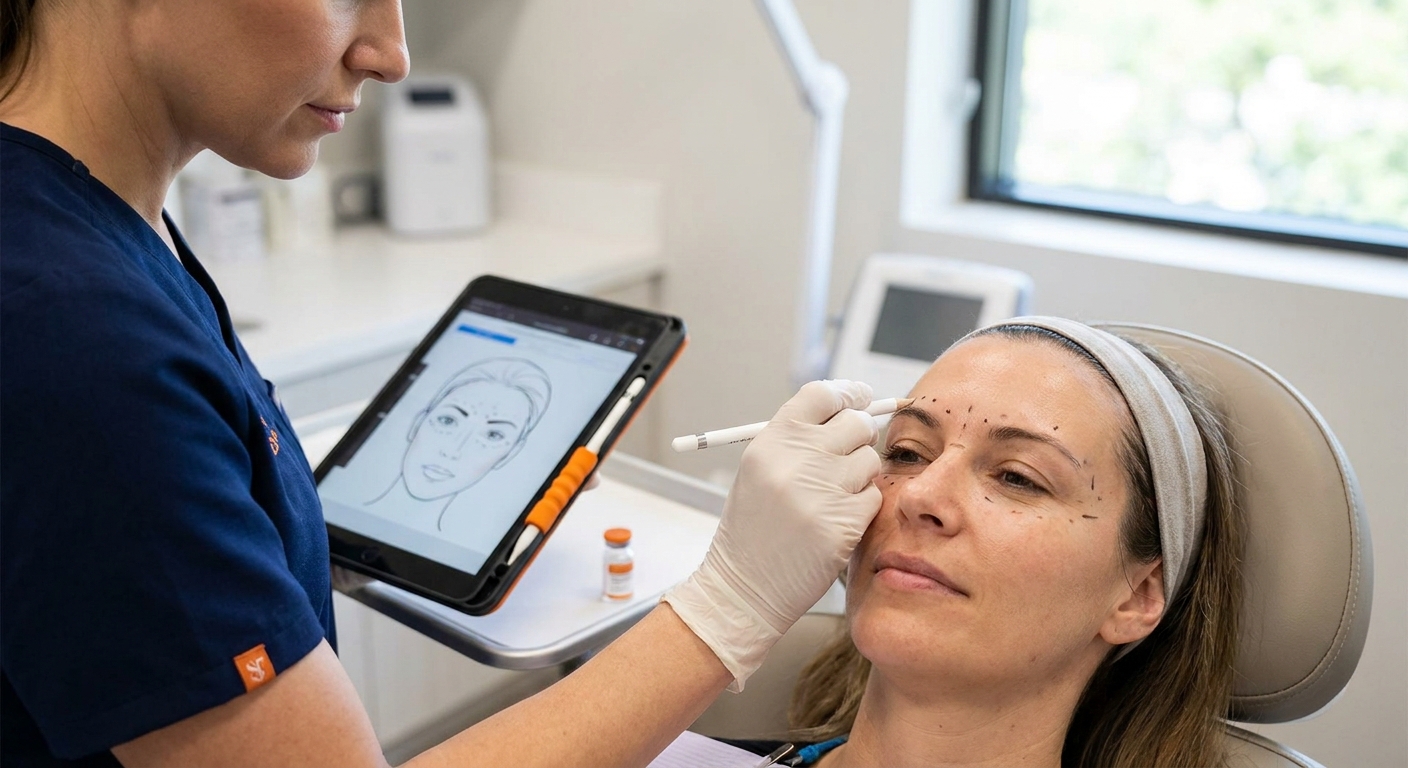
When you compare quotes, ask for a breakdown of unit cost, total units, and any additional fees. That lets you calculate the true per‑unit price.
Our own PS AESTHETICS W+S offers transparent per‑unit pricing and a clear minimum, making it easy to see exactly what you’ll pay.
Pro Tip:Ask if the practice offers a “unit‑only” discount if you schedule multiple areas in one visit. That can lower the average cost per unit.
5. Hospital‑Based Cosmetic Units , Highest Safety, Higher Cost
Some academic hospitals run cosmetic units where Botox is administered under a physician’s supervision. The environment is highly regulated, and the staff includes nurses, anesthesiologists, and surgeons.
Because of the added safety protocols, per‑unit rates can reach $20‑$30. A typical 30‑unit treatment could cost $750.
Pros:
Maximum safety standards.
Access to board‑certified surgeons.
Cons:
Higher cost per unit.
Longer appointment times due to paperwork.
For patients with medical conditions that require Botox (e.g., chronic migraines), the hospital setting may be required for insurance coverage. The trade‑off is a steeper price tag.
According to the FDA’s Botox information page , the drug is approved for both cosmetic and therapeutic uses, and the safety profile is strongest when administered in a medical facility.
If you value the peace of mind that comes from a hospital’s rigorous protocols, the extra cost may feel justified.
Key Takeaway:Hospital units deliver top‑tier safety; they’re best for patients who need medical‑grade oversight.
6. Mobile Botox Services , Convenience Factor
These providers bring the injector to your home, hotel, or office. They often charge a travel fee on top of the per‑unit price, which typically sits at $12‑$18.
Example: a mobile injector in Texas charges $15 per unit plus a $50 travel surcharge. For 20 units, the total is $350.
Pros:
Ultra‑convenient for busy schedules.
Privacy of your own space.
Cons:
Travel fees can add up.
Less control over sterile environment.
Imagine you’re on a weekend getaway and want a quick refresh before dinner. A mobile service can arrive in an hour and finish the treatment in 20 minutes.
When evaluating a mobile injector, verify their medical license and ask about the sterilization protocol they follow. A reputable provider will bring a portable clean‑room kit and dispose of sharps properly.
Pro Tip:Schedule your appointment in the late afternoon. Muscles are more relaxed after a day’s activity, which can improve toxin spread.
7. Shared‑Vial Practices , Cost‑Saving Model
Some clinics buy a 100‑unit vial and split it among several patients. This lets them charge a lower per‑unit rate, often $8‑$10, but it raises questions about sterility and product integrity.
Because the FDA requires a single‑patient use vial, any practice that shares must follow strict aseptic technique. If they do, patients can save $2‑$5 per unit.
Pros:
Lower per‑unit cost.
Potential for bulk‑discount packages.
Cons:
Risk of diluted product if not done correctly.
Possible perception of lower quality.
Ask the clinic how they ensure the vial remains sterile after each use. Some use a dedicated medical assistant to manage the reconstitution and storage between patients.
Our own PS ARTISTRY follows strict single‑use protocols, so you never have to wonder about product safety.
Key Takeaway:Shared‑vial models can shave dollars off each unit, but only if the practice adheres to FDA guidelines.
8. Academic Medical Centers , Research Pricing
University hospitals sometimes run clinical trials that include Botox. Patients who enroll may receive the product at a reduced cost or even for free, though they must meet study criteria.
Outside of trials, the per‑unit price at an academic center is similar to hospital‑based rates, ranging from $18 to $25.
Pros:
Access to cutting‑edge research.
Potentially lower cost through study participation.
Cons:
Longer wait times for appointments.
May involve extra paperwork.
If you’re interested in contributing to science, ask the research office whether any Botox studies are recruiting. Participation can give you a discount while helping the field.
Remember that academic pricing still reflects the high safety standards of a university hospital, so the price includes the expertise of faculty‑level physicians.
Pro Tip:Look for “clinical trial” banners on the center’s website; they often list eligibility and compensation details.
9. Telemedicine Botox Consultations , Emerging Trend
Virtual consultations let you discuss goals with a qualified injector before you travel to a physical location for the injection. The per‑unit price is usually the same as the clinic’s in‑person rate, but you save on travel time.
Typical workflow: you schedule a video call, the doctor reviews your medical history, and then you book an on‑site appointment at a partner location.
Pros:
Convenient initial assessment.
Clearer expectation setting.
Cons:
You still need to go somewhere for the actual injection.
Limited to providers who have telehealth licenses in your state.
Imagine you’re out of town and want to keep your treatment schedule. A tele‑consult can happen from a hotel room, and you can then go to a local medspa for the injection.
When choosing a telemedicine service, verify that the injector is board‑certified and that the partner clinic follows standard sterile protocols.
Key Takeaway:Telehealth speeds up the planning phase but does not replace the in‑person injection.
10. Discount Clinics Using Generic Neurotoxins , Cheapest Option
Some clinics offer off‑brand neurotoxins such as Xeomin, Dysport, or Daxxify, which can be priced lower per unit. For example, a discount clinic might charge $8 per unit for Xeomin.
Because each product has a different potency, you may need more units to achieve the same effect as Botox. That can offset the lower price.
Pros:
Lower headline price per unit.
Often run promotions for first‑time patients.
Cons:
Different diffusion characteristics.
May require more units, raising total cost.
If you’re on a tight budget, ask the injector to calculate the total unit count needed for your target areas and compare the final dollar amount with Botox pricing.
Many discount clinics also sell “bundle packages” that include multiple treatments for a flat fee, which can be a good deal if you plan on treating several areas.
Pro Tip:Verify that the product is FDA‑approved and that the clinic stores it lines.
11. Luxury Spa Resorts Offering Botox , Premium Experience
High‑end resorts in destination locations (e.g., mountain retreats, coastal villas) sometimes add Botox to their menu of pampering services. Prices reflect the resort’s brand and can range from $15 to $30 per unit.
Guests often combine Botox with other treatments like laser resurfacing, creating a full‑day aesthetic itinerary.
Pros:
All‑in‑one luxury vacation.
Access to top‑tier injectors who travel with the resort.
Cons:
Very high per‑unit cost.
Limited flexibility for follow‑up appointments.
Imagine a weekend getaway where you spend Saturday afternoon receiving Botox and Sunday morning enjoying a sunrise yoga session. The experience feels smooth, but the price tag reflects that convenience.
Our own PS AESTHETICS wellness + skinbar provides a resort‑like atmosphere without the travel expense, offering the same level of care at a more reasonable per‑unit rate.
Key Takeaway:Resort Botox is an indulgence; choose it when you want a full‑service retreat and are comfortable paying a premium.
12. Regional Price Variations (East Coast vs Midwest) , Geographic Influence
Location drives cost. Major metropolitan areas on the East Coast often charge $15‑$25 per unit, while Midwest cities may sit at $9‑$14.
Factors include local cost of living, rent for clinic space, and average income of the client base.
Pros of high‑cost regions:
Higher concentration of board‑certified specialists.
More competition can lead to occasional promotions.
Pros of lower‑cost regions:
More affordable per‑unit rates.
Potential for longer‑lasting results if the injector uses higher‑quality product.
When you travel for a treatment, factor in travel expenses. A $10 per‑unit price in the Midwest might still be cheaper after airfare and hotel compared to a $20 per‑unit price on the coast.
Pro Tip:Use a simple spreadsheet to add travel costs to the per‑unit price. That helps you see the true total.
13. Seasonal Promotions and Package Deals , Timing Savings
Many clinics run limited‑time offers around holidays, spring, or summer. A common deal is “Buy 50 units, get 10 free.” That reduces the effective per‑unit price by 16%.
Package deals might bundle Botox with fillers, laser treatments, or skincare products, creating a value‑added bundle.
Pros:
Significant savings on bulk purchases.
Encourages a complete aesthetic plan.
Cons:
May pressure you to treat more areas than you need.
Unused units can expire.
To make the most of a promotion, plan your treatment calendar for the year. If you know you’ll need touch‑ups every 3, 4 months, buying a larger unit block now can lock in a lower rate.
Our own seasonal specials at PS AESTHETICS include a “Spring Refresh” package that gives you 20 extra units when you purchase 100 units.
Key Takeaway:Timing your purchase to align with a promotion can lower your effective cost per unit dramatically.
What to Look For When Comparing Botox Unit Costs
Here’s a quick checklist you can print out or copy into your notes:
Is the price quoted per unit or per area?
What is the minimum unit requirement?
Does the clinic disclose the brand of neurotoxin?
Are there loyalty or volume discounts?
What are the injector’s credentials?
Is the clinic FDA‑compliant and does it follow single‑use vial rules?
Answering these questions helps you see beyond the headline price and evaluate true value.
Remember that a higher per‑unit rate can still be a better deal if the injector’s technique reduces the number of units you need.
Pro Tip:Request an itemized quote that lists unit count, per‑unit price, and any additional fees. Compare that sheet across at least three providers.
FAQ
How many units will I need for my forehead?
Most people need between 10 and 30 units for the forehead, depending on muscle strength and wrinkle depth. During your consultation, the injector will map your muscles and give you a personalized count. Expect a range, not a single number, until the injector sees your face in person.
Is Botox covered by insurance?
Insurance typically does not cover cosmetic Botox. However, if your doctor prescribes Botox for a medical condition such as chronic migraines or hyperhidrosis, your health plan may cover part or all of the cost after prior authorization.
Can I combine Botox with other injectables?
Yes. Many clinics bundle Botox with dermal fillers, laser resurfacing, or microneedling in a single visit. Combining treatments can save time and sometimes money, but each product has its own dosing schedule.
What is the difference between Botox and Daxxify?
Both are neurotoxins, but Daxxify uses a proprietary peptide that may last 6‑9 months, while Botox usually lasts 3‑4 months. Daxxify often costs a bit more per unit, and you may need more units to achieve the same effect, so total cost can be similar.
Are mobile Botox services safe?
They can be safe if the injector holds a valid medical license, follows strict sterile technique, and brings a portable clean‑room kit. Ask about their disposal plan for needles and whether they use FDA‑approved product.
Do shared‑vial clinics dilute the product?
Legally, Botox vials are single‑patient use only. Reputable shared‑vial clinics follow FDA‑mandated aseptic protocols and never dilute the toxin. If a clinic cannot explain its safety steps, walk away.
How often should I schedule Botox?
Most people return every 3‑4 months to maintain results. Some patients notice that the muscles stay relaxed longer after a few sessions, which can stretch the interval to 5‑6 months.
What should I ask my injector during the first visit?
Ask about their training, how many Botox procedures they perform each month, what brand they use, and whether they offer a satisfaction guarantee or free touch‑up if the results fall short of expectations.
Conclusion
Botox cost per unit isn’t a one‑size‑fits‑all number. It depends on where you go, who does the injection, and how many units you need. You’ve seen 13 different options, from boutique clinics that charge a premium for expertise to discount providers that use generic neurotoxins.
Take the checklist, compare the per‑unit rates, and remember that the lowest headline price isn’t always the best value. Safety, injector skill, and product authenticity matter just as much as dollars per unit.
Ready to smooth your lines with a trusted provider? PS AESTHETICS wellness + skinbar offers transparent pricing, board‑certified injectors, and a membership that locks in a low per‑unit rate. Book a complimentary consultation today and see how a clear, personalized plan can fit your budget.


Comments