


Laser Skin Resurfacing Before and After Photos: Real Results
- Paige Schwab
- 5 days ago
- 9 min read
Before and after photos are everywhere in the laser resurfacing world, but most of them leave out the details that actually matter: which laser was used, how deep it went, and what the recovery really looked like. This guide pulls back the curtain on what those photos show, what they hide, and how to use them to make a smart decision about your own skin.
What Laser Skin Resurfacing Before and After Photos Actually Show
A good before and after photo tells a story in two frames. The "before" captures texture, tone, and specific concerns under consistent lighting. The "after" shows the same subject, same angle, same lighting, weeks or months later. When those conditions are met, you can genuinely see whether wrinkles softened, scars flattened, or uneven pigment faded.
But here's the problem: most galleries skip the context. , 80% of sampled providers offer no quantitative data on laser type, treatment depth, or price alongside their photos. That means you're looking at a result with no way to know how it was achieved or whether it applies to your skin.
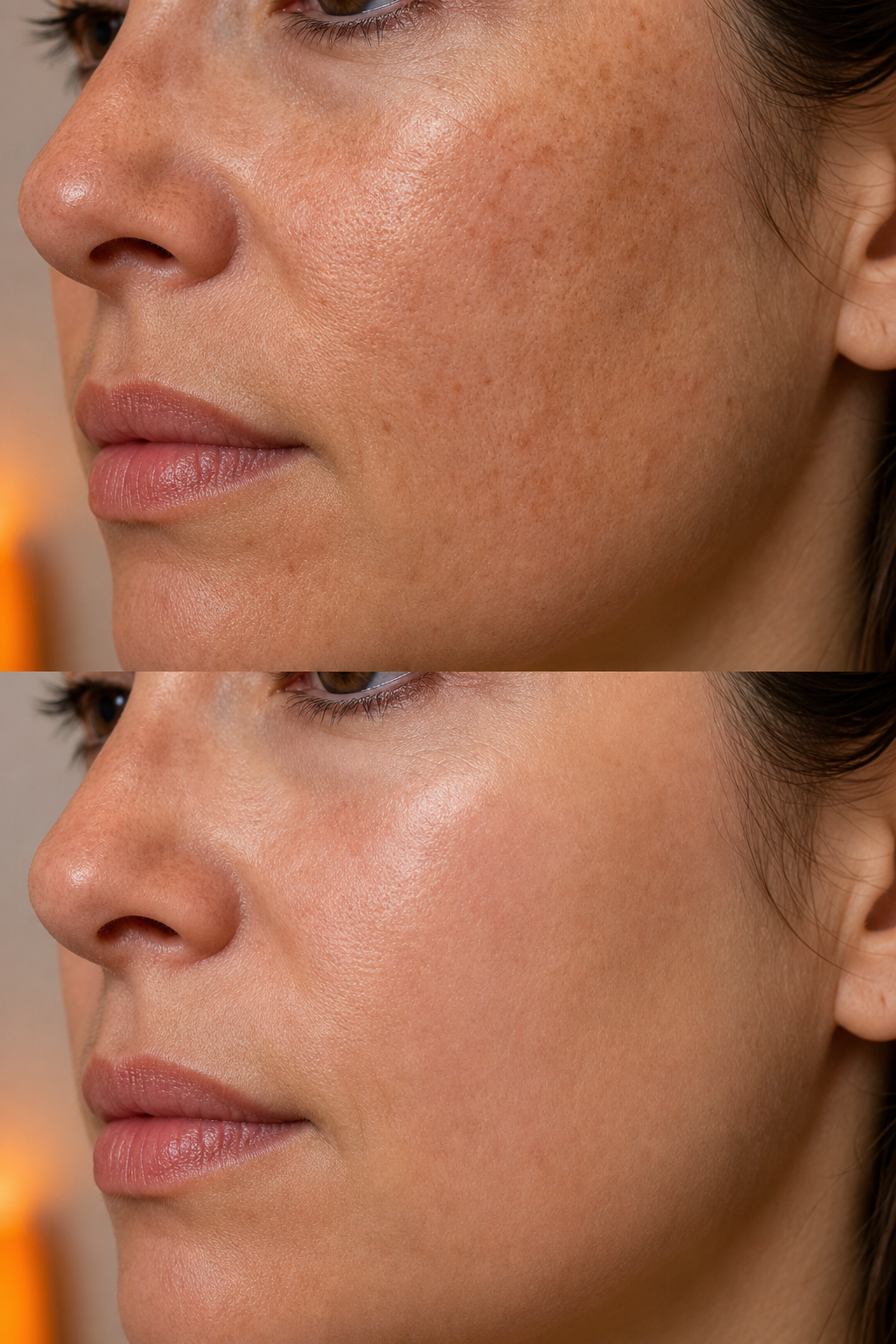
Photos also don't show downtime. A dramatic improvement might have come with a week of red, raw skin. That's not a reason to avoid the treatment, but it's information you deserve upfront. A provider who shows you the healing process alongside the final result is one worth trusting.
At PS Aesthetics Wellness + Skinbar in Edmond, Oklahoma , the team pairs visual results with a real consultation so you understand what went into each photo before you commit to anything. That kind of transparency is what separates a genuine gallery from a marketing reel.
Key Takeaway:A before and after photo is only useful if it comes with context: laser type, skin concern treated, and an honest look at the recovery period.
Types of Laser Treatments and Their Typical Before/After Results
Not all lasers produce the same photos. The technology behind the treatment determines how dramatic the result looks, how long it takes to appear, and how much downtime sits between the two frames. Understanding the main categories helps you read any gallery with clearer eyes.
Treatments broadly split into ablative and non-ablative types, with fractional delivery being the most common modern approach for balancing results with recovery.
Laser Type | How It Works | Best For | Typical Downtime | Results Visible By |
Ablative CO2 (Full-Field) | Removes entire surface layer of skin | Deep wrinkles, significant scarring | 10–14 days | 4–6 weeks |
Fractional CO2 | Treats columns of skin, leaves surrounding tissue intact | Acne scars, discoloration, fine lines | 5–7 days | 2–4 weeks |
Non-Ablative (e.g., Nd:YAG) | Heats dermis without removing surface | Mild texture, tone, early aging | 1–3 days | 4–8 weeks |
Erbium (Ablative) | Precise removal with less heat spread | Fine lines, superficial scars | 5–7 days | 2–4 weeks |
IPL / Broadband Light | Targets pigment and vascular lesions | Sun damage, redness, mild pigmentation | 1–2 days | 3–6 weeks |
Texas Facial Aesthetics, one of the few providers in a sample of five to publicly name their technology, uses Fractional CO2 specifically for discolorations, old acne scars, and texture issues. That specificity is rare. Most clinic websites and even YouTube reviews skip the laser model entirely, which makes their before and after photos harder to evaluate.
If you're comparing galleries and one provider names Fractional CO2 while another just says "laser treatment," you're not comparing apples to apples. The unnamed laser could be a gentle IPL or a full ablative CO2. The results would look completely different, and so would the recovery.
For anyone in the Edmond area who wants a direct answer on technology, the team at PS Aesthetics is a usable first stop. Knowing exactly which device is being used, and why it suits your skin type, should be the starting point of any consultation, not an afterthought.
Conditions Best Addressed by Laser Resurfacing (With Photo Evidence)
Before and after photos are most useful when they're organized by skin concern. A gallery sorted by condition lets you find patients who started where you are now.
Acne Scars
This is where fractional laser technology earns its reputation. Atrophic scars (the pitted, depressed kind) respond well because the laser's heat triggers new collagen, which fills in the base of the scar over several weeks. Texas Facial Aesthetics specifically lists old acne scars as their primary target for Fractional CO2, and their photos show significant surface leveling. Deeper ice-pick scars may need multiple sessions.
Sun Damage and Uneven Pigmentation
Brown spots, age spots, and the general dullness that comes from years of sun exposure respond quickly to laser energy. Photos in this category often look the most dramatic because pigment changes are so visible in side-by-side comparisons. IPL and fractional treatments both work here, though IPL tends to require fewer days of downtime.
Fine Lines and Wrinkles
Fine lines around the eyes and mouth are among the most-photographed results in laser galleries. Ablative lasers (CO2 or Erbium) produce the most visible improvement here because they physically remodel the skin surface. Non-ablative options take longer and produce subtler changes, though they often suit people who can't take a full week away from work. The top laser facial resurfacing clinics in the region document multi-session plans for fine lines specifically because one treatment rarely tells the full story.
Skin Texture and Pore Appearance
Rough texture and enlarged pores are harder to capture in standard before and after photos because they show best in raking-light or macro photography. If a provider's gallery lacks close-up shots for texture concerns, ask to see them separately before booking.
Redness and Vascular Lesions
Rosacea, spider veins, and general facial redness don't respond to CO2 lasers. Vascular-specific wavelengths (like pulsed dye or broadband light) are used here, and the before and after difference can be stark. These photos are sometimes grouped with general laser galleries, which can confuse patients comparing options for acne scars to those comparing options for redness.
Pro Tip:When browsing a provider's gallery, filter by your specific skin concern rather than looking at the "best" results. A dramatic wrinkle photo tells you nothing about how that provider handles acne scarring.
Understanding Downtime: What Your Skin Looks Like Day by Day
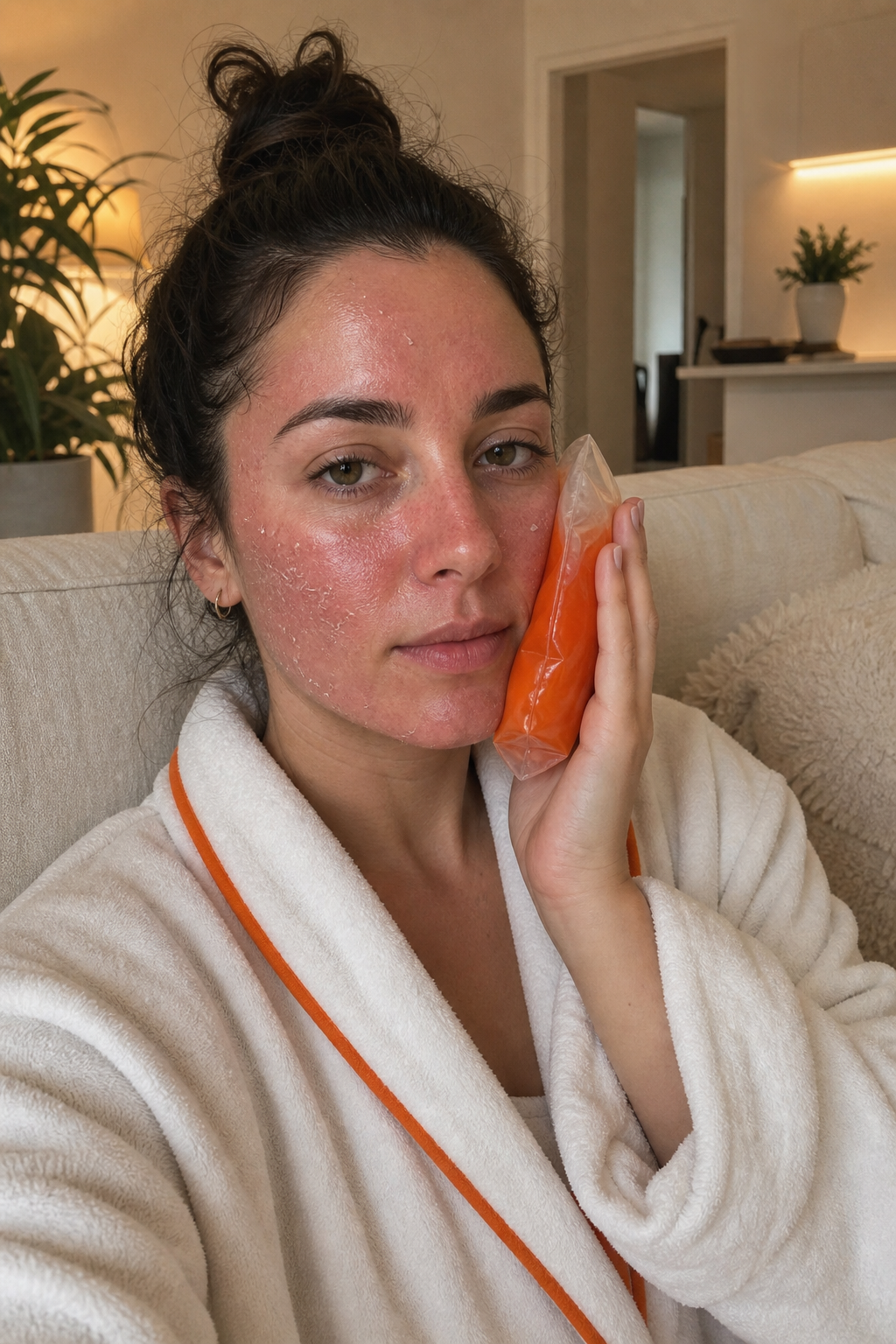
The gap between the "before" and "after" is where most clinic galleries go silent. Only one provider in a five-clinic sample openly reported downtime data: Advanced Cosmetic Surgery disclosed an average three-day recovery for anti-aging treatments. That number is honest for mild non-ablative work, but it would be short for a full ablative session.
Here's a realistic day-by-day picture for fractional CO2, the most common mid-range option:
- Day 1, 2:Skin looks and feels like a moderate sunburn. Redness and swelling are normal. Some patients describe a tight, hot sensation.
- Day 3, 4:Peeling begins. The skin takes on a bronzed, flaky texture. This is new skin pushing through. Do not pick.
- Day 5, 7:Most flaking resolves. Pink undertones remain. Makeup can usually go back on around day five or six with gentle application.
- Week 2:Redness fades to a light blush. Texture starts to feel noticeably smoother. Sun protection is still non-negotiable.
- Week 4, 6:The full result comes into view. Collagen remodeling continues under the surface for up to three months after that.
For non-ablative treatments, the same timeline compresses significantly. Mild redness for a day or two, no real peeling, and a subtler result that appears gradually over weeks. The right choice depends on how much downtime you can realistically manage, not just which result looks best in a photo gallery.
If you're preparing for any laser procedure, good post-treatment care is just as important as the session itself. The microneedling aftercare guide from PS Aesthetics outlines a skincare approach that applies equally well to post-laser healing: gentle cleansing, barrier-repair moisturizer, and mineral SPF every single day.
How to Evaluate a Provider's Before and After Photo Gallery
A polished gallery isn't automatically a trustworthy one. Here's what to look for and what to question.
Consistency in Photography
Before and after photos should use the same lighting, distance, and angle. If the "before" is shot in harsh overhead light and the "after" is soft and flattering, you're not seeing a fair comparison. Reputable providers shoot in standardized clinical conditions specifically to avoid that bias.
Skin Tone Representation
Laser treatments carry higher risk of post-inflammatory hyperpigmentation in medium to deeper skin tones. A gallery that shows only fair-skinned patients doesn't tell you how a provider handles that risk. Ask directly for photos of patients with your skin tone, and ask what protocol the provider uses to reduce pigmentation risk.
Timeline Disclosure
The "after" photo should state when it was taken. A result at two weeks looks different from a result at three months. Some providers show their best photos without noting that full collagen remodeling took six months to reach that point. That's not dishonest, but it shapes expectations incorrectly.
Volume and Variety
A gallery of five photos suggests limited experience. A gallery of fifty, sorted by skin concern and laser type, suggests a provider who has treated a wide range of patients and is confident enough to show the full picture, including the modest results alongside the dramatic ones.
Patient selection and provider experience are among the strongest predictors of consistent results, which is exactly why photo volume and variety matter as proxy signals for both.
Where to Find Trustworthy Laser Resurfacing Before and After Resources
Knowing where to look saves time and protects you from misleading content. These are the most reliable places to find real, contextualized before and after photo resources.
Provider Websites with Clinical Galleries
The best provider galleries go beyond a simple slideshow. They organize photos by condition, include treatment notes, and show the timeline of recovery. PS Aesthetics Wellness + Skinbar 's services page outlines the full range of skin treatments available in Edmond, and a direct consultation gives you access to case-specific photo reviews that aren't always posted publicly.
YouTube Patient Reviews
In this niche, third-party video reviewers often disclose more technical detail than clinic websites do. Texas Facial Aesthetics highlighted Fractional CO2 as effective for discolorations, old acne scars, texture issues, fine lines, and wrinkles. Advanced Cosmetic Surgery shared that patients typically experience around three days of downtime for anti-aging treatments. Those videos flip the usual trust hierarchy, giving prospective patients a more honest look at the full process, including the days between "before" and "after."
Dermatology and Aesthetics Journals
For evidence-based before and after context, peer-reviewed sources are the gold standard. Clinical journals publish studies with standardized photography and long-term follow-up data. These aren't marketing galleries. They're controlled results with sample sizes and statistical analysis behind them.
In-Person Consultations
The most underused resource is a simple conversation with a provider. Ask to see photos of patients with your specific concern, your skin tone, and your age range. A confident, experienced provider will have those available and will walk you through what the recovery looked like for each one. Patient selection and provider experience are among the key factors that influence outcomes. If a clinic hesitates to show you case-specific photos before booking, that's useful information too.
Some patients find that exploring complementary treatments helps set context for laser results. For instance, understanding how microneedling with PRP works and its aftercare requirements gives a useful baseline for comparing how laser recovery differs in intensity and duration.
Recovery gifts and self-care rituals during skin healing have become a category of their own. Some patients build a small recovery kit before their appointment, and thoughtful items like calming wellness gifts can make those recovery days at home feel a little more intentional.
FAQ
How soon do you see results after laser skin resurfacing?
Most patients see initial improvement within two to four weeks as peeling resolves and fresh skin settles. The full result, especially for deep wrinkles or acne scars, develops over three to six months as collagen remodeling continues under the surface. Photos taken at two weeks look noticeably different from photos taken at three months, so timeline matters when evaluating any before and after gallery.
What does laser skin resurfacing look like immediately after the procedure?
Right after treatment, skin looks red and feels like a sunburn. For fractional or ablative procedures, swelling is common on day one and two. Peeling usually begins around day three and lasts through day five or six. Non-ablative treatments produce milder redness that fades within a day or two, with no significant peeling. Most providers recommend staying home for at least the first three to five days.
Are laser resurfacing before and after results permanent?
The structural improvements from laser resurfacing, like reduced acne scars or smoother texture, tend to be long-lasting. Collagen production continues for months after treatment. However, new sun damage, aging, and lifestyle factors continue after the procedure. Ongoing SPF use and periodic maintenance sessions help preserve results. Most providers recommend a follow-up treatment every one to two years depending on the concern.
Can I trust before and after photos on a clinic's website?
Photos on a clinic's own website are a starting point, not the whole story. Look for consistent lighting, clear timeline disclosure, and a variety of skin tones and concerns. If the gallery only shows ideal cases under flattering light, ask to s from actual patients often reveal more detail about the recovery process than polished marketing galleries do.
How do I know which laser was used in a before and after photo?
Most providers don't disclose the laser type in their galleries, which makes it hard to know whether the result is achievable with a less aggressive treatment or requires significant downtime. Always ask the provider directly: name the exact laser model, its FDA clearance status, and the typical recovery for that specific device. Only a small fraction of clinics volunteer this information without being asked.
Does skin tone affect laser resurfacing results?
Yes. Laser energy targets pigment, so patients with medium to deeper skin tones face a higher risk of post-inflammatory hyperpigmentation with certain wavelengths, particularly ablative CO2. A qualified provider adjusts settings and protocols for each skin type. Ask to see before and after photos of patients with your specific skin tone, and ask what measures the clinic takes to reduce pigmentation risk in those cases.
Conclusion
The best before and after photos aren't just pretty pictures. They come with context: the laser used, the condition treated, the recovery timeline, and a realistic range of results across different skin types. If a provider can walk you through all of that, you're in the right place. PS Aesthetics Wellness + Skinbar in Edmond offers that kind of grounded consultation, so you know exactly what you're looking at before you commit. Schedule a consultation to see case-specific photos matched to your skin concern and get honest answers about what your result could look like.