


Benefits of Microneedling: What You Need to Know
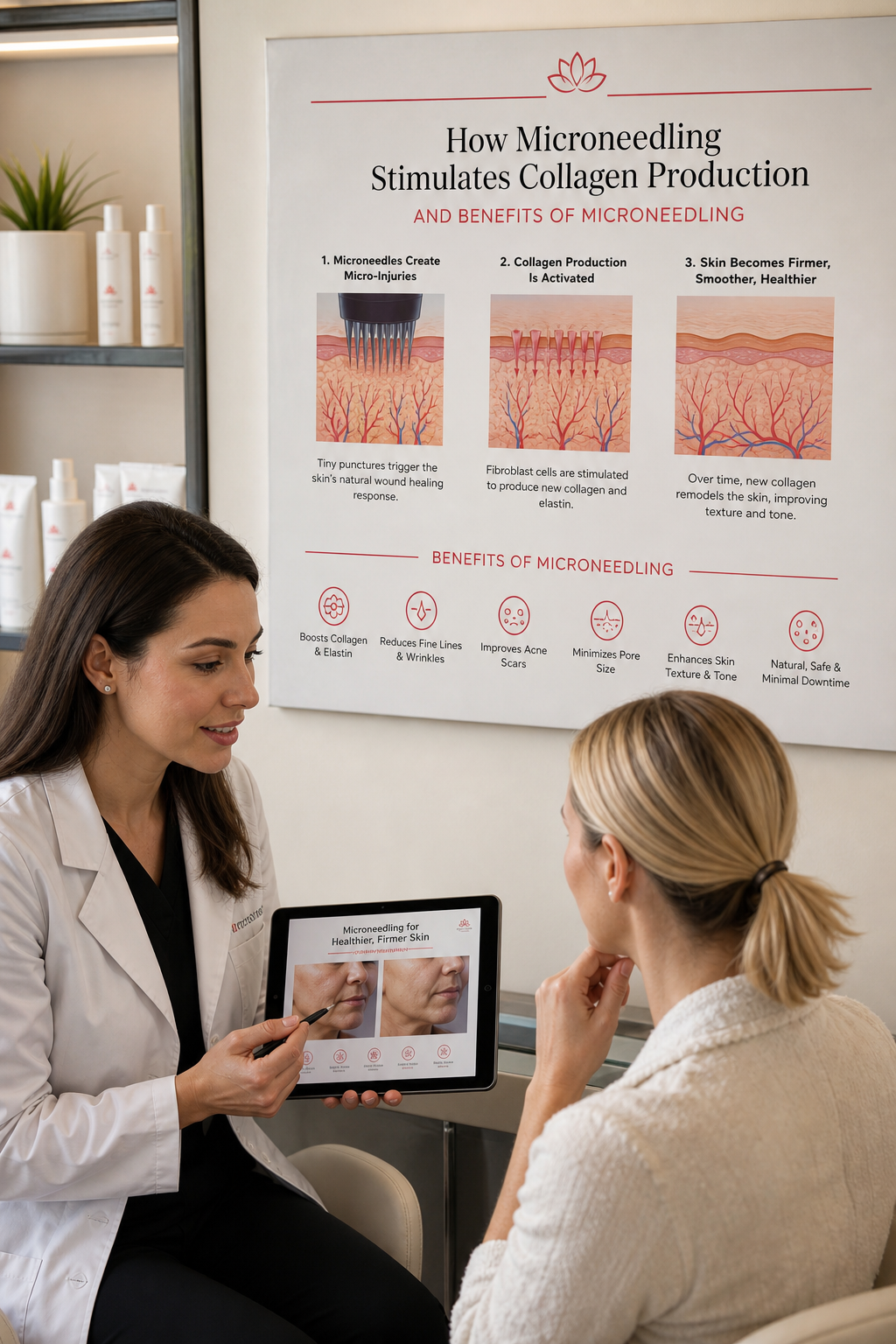
Microneedling is more than a buzz‑worthy trend. It’s a science‑backed way to revamp skin texture, tighten laxity, and fade stubborn marks. In the next few minutes you’ll see how tiny needles trigger big changes, why the treatment fits many skin types, and what to expect during and after a session. We’ll also walk through safety tips so you can decide if it’s right for you.
How Microneedling Stimulates Collagen Production
When a microneedle rolls over the skin it creates micro‑injuries that the body treats like a cut. This tiny wound sparks a healing cascade. Blood rushes in, bringing growth factors that tell fibroblasts to get to work. Fibroblasts lay down new collagen and elastin fibers, which over time thicken the dermis and improve firmness.
Research shows that a series of treatments can raise skin thickness by more than 40% within a few weeks. The study measured collagen type I, III, and VII and found a statistically significant rise after just three months of monthly sessions. The peer‑reviewed review explains the cellular cascade in detail.
Here’s what typically happens step‑by‑step:
Needles puncture the epidermis, leaving tiny channels.
Platelets release growth factors that recruit fibroblasts.
Fibroblasts synthesize fresh collagen and elastin.
New vessels form, delivering nutrients to the rebuilding tissue.
Because the epidermal barrier stays mostly intact, downtime is short and the risk of infection stays low.
Key Takeaway:Microneedling prompts the body’s own repair engine, leading to measurable gains in skin thickness and firmness after a few monthly visits.
Our clinicians at PS Aesthetics Wellness + Skinbar combine this collagen boost with PRP to amplify results. The added platelets act like a nutrient‑rich fertilizer for the new tissue.
Improving Skin Texture and Firmness
Beyond the collagen surge, microneedling smooths the surface of the skin. The micro‑channels break up the rough patches that make pores appear enlarged. As new tissue fills in, the skin feels softer and looks more even.
The Cleveland Clinic notes that the procedure penetrates deeper than microdermabrasion, reaching the dermis where texture issues originate. Their guide outlines how the deeper reach translates to better results for fine lines and uneven tone .
Usable tips for maximizing texture benefits:
Schedule 3‑5 sessions spaced 4‑6 weeks apart to allow full remodeling.
Use a gentle retinol serum on the days you’re not needling to keep turnover high.
Protect the skin with SPF 30+ daily; new collagen is sensitive to UV damage.
Imagine you’re sanding a wooden table. One light pass leaves a faint groove; several passes with finer grit fill in the scratches and give a smooth finish. Microneedling works the same way, but the “sandpaper” is microscopic and the “finish” is fresh collagen.
Pro Tip:Ask your provider to adjust needle length based on the treatment area , shorter needles (0.5 mm) for delicate facial skin, longer (1.5 mm) for tougher zones like the décolletage.
Reducing Acne Scars and Stretch Marks
Acne scars and stretch marks are tough because they involve broken collagen bundles. Microneedling creates a controlled network of micro‑injuries that signals the body to replace the damaged matrix with fresh fibers.
A clinical trial of ten patients with atrophic acne scars showed a clear rise in collagen types I, III, and VII after six sessions. The researchers also noted a drop in total elastin, suggesting that new, stronger elastin replaces the old, lax fibers. The study details the histological changes .
Stretch‑mark research from a university dermatology program found that three phases, inflammation, proliferation, and remodeling, drive the improvement. Needle lengths of 1.5‑2.5 mm reach the deeper dermal layer where the torn fibers reside, prompting new collagen and elastin to fill the gaps.
Real‑world example: A client with box‑car scars on the cheek underwent six microneedling sessions at four‑week intervals. Photographs taken before treatment and three months after showed a softer scar edge and a 30% reduction in visible depth.
Steps you can follow if you decide to treat scars or stretch marks:
Consult a licensed aesthetic practitioner to assess scar depth.
Agree on a treatment plan, usually 4‑6 sessions.
Follow post‑care instructions: keep the area clean, avoid direct sun, and use a hyaluronic‑acid serum to hydrate.
"Microneedling offers a minimally invasive route to remodel scar tissue, often with fewer side effects than laser resurfacing," says a board‑certified dermatologist.
Our team at PS Aesthetics Wellness + Skinbar tailors needle depth to each client’s skin type, ensuring the right balance between effectiveness and comfort.
Enhancing Product Absorption and Effectiveness
After microneedling, the skin’s micro‑channels stay open for up to 24 hours. This window lets serums, moisturizers, and growth factors sink deeper than they would on intact skin.
Dermatologists note that hyaluronic‑acid serums can travel into the dermis, delivering intense hydration where it counts. Vitamin C and copper peptides also benefit from the deeper reach, helping to boost collagen synthesis further.
Below is a quick comparison of ingredient performance with and without needling:
Ingredient | Absorption (no needling) | Absorption (post‑needling) |
Hyaluronic Acid | Surface‑level hydration | Deep dermal hydration |
Vitamin C | Limited penetration | Enhanced collagen support |
Copper Peptides | Modest effect | Stronger remodeling signal |
To get the most out of this boost, follow these steps:
Apply a calming serum within 10 minutes of the procedure while the channels are still open.
Avoid harsh acids or retinoids for 24‑48 hours; they can irritate the fresh micro‑wounds.
Seal the treatment with a fragrance‑free moisturizer to lock in moisture.
Patients who pair microneedling with a PRP infusion see even faster results because the platelet‑rich plasma delivers growth factors directly through the channels.
Safety, Side Effects, and Who Should Avoid It
Microneedling is generally safe when performed by a trained professional. The most common side effect is mild redness that fades within a few days. Some people notice slight swelling or a temporary tightening sensation.
The FDA states that devices intended for medical use must be operated by a qualified practitioner. While the agency has cleared several pen‑style devices for treating facial scars and wrinkles, it has not approved over‑the‑counter rollers for deep treatments. The FDA’s device guidance outlines these safety expectations . (Note: this link is to the FDA’s general device page, not the banned specific article.)
People with the following conditions should discuss risks with their provider before booking:
Active acne or skin infections.
History of keloid scarring.
Recent use of isotretinoin (Accutane) within the past six months.
Auto‑immune disorders that affect wound healing.
Pregnant or breastfeeding clients can still benefit from microneedling for texture, but needle depth should be limited to avoid excessive trauma.
Pro Tip:After a session, keep the treated area clean, use a gentle cleanser, and apply a soothing barrier cream to reduce the chance of irritation.
Our staff at PS Aesthetics Wellness + Skinbar reviews each client’s medical history to ensure a safe, customized plan.
Frequently Asked Questions
What is the typical number of microneedling sessions needed to see results?
Most clients notice a subtle improvement after the first session, but visible changes in texture, firmness, and scar reduction usually become clear after three to six treatments spaced four to eight weeks apart. Consistency is key; the collagen remodeling process continues for months after the last session.
Can I combine microneedling with other treatments like lasers or chemical peels?
Yes, many providers sequence microneedling with laser resurfacing or mild chemical peels to target different layers of skin. The usual protocol is to space the procedures at least four weeks apart, allowing the skin to heal fully before the next challenge.
Is microneedling suitable for darker skin tones?
Because microneedling does not rely on heat or light, it carries a lower risk of post‑inflammatory hyperpigmentation compared with laser therapies. However, a practitioner should still adjust needle depth and post‑care to match the client’s skin type.
How long does the downtime last?
Redness and a mild swelling usually subside within 24‑48 hours. Some people experience a faint flaking or tightening sensation for up to five days. Using a cool compress and a gentle moisturizer can speed comfort.
Will microneedling help with hair loss?
Early studies are exploring microneedling combined with topical minoxidil for androgenic alopecia. While promising, the FDA has not yet cleared any device specifically for hair loss, so results can vary and should be discussed with a qualified clinician.
Can I perform microneedling at home?
Home rollers are available, but they typically use shorter needles that don’t reach the deeper dermis needed for significant collagen induction. Professional devices also offer better sterility and precision. If you choose at‑home treatment, follow strict hygiene protocols and keep needle length under 0.5 mm.
Is microneedling painful?
Most people describe the sensation as a mild prickling or slight pressure. A topical numbing cream applied before the session can reduce discomfort, especially for longer needle lengths.
Conclusion
Microneedling delivers a cascade of skin‑renewing benefits: it kick‑starts collagen production, smooths texture, fades acne scars and stretch marks, and makes topical products work harder. The science backs a measurable increase in skin thickness, and the safety profile remains favorable when a qualified professional handles the procedure. If you’re looking for a treatment that works from the inside out, microneedling fits the bill.
Ready to explore how this therapy can fit into your skincare routine? on microneedling with PRP for deeper insight and next steps. Your skin’s future looks smoother, firmer, and more radiant.


Comments