


Microneedling Pen at Home vs Professional: Key Differences
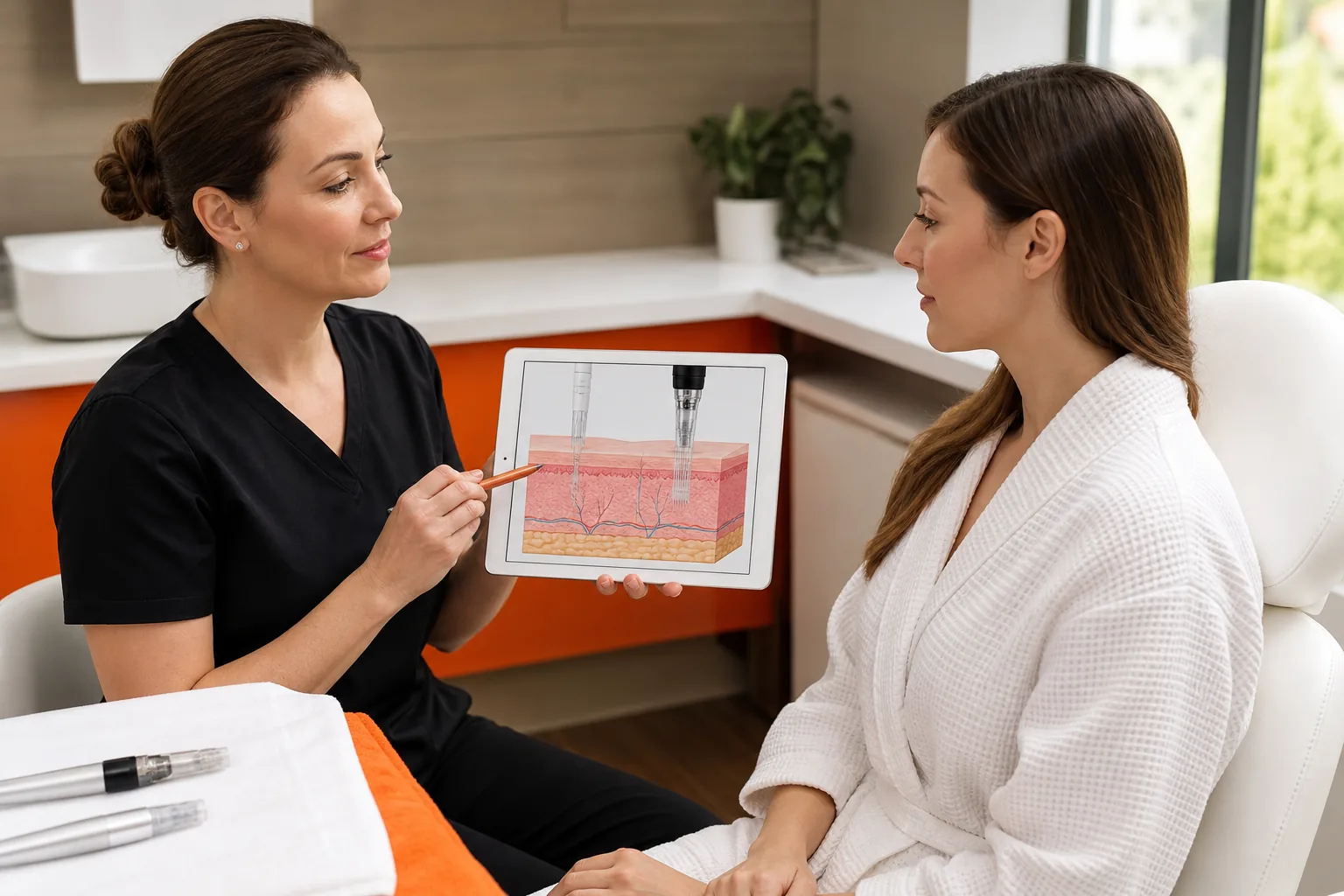
Microneedling pen at home vs professional treatment comes down to more than convenience: depth, hygiene, and who controls the procedure all affect the choice. Home devices are not a simple substitute for a clinic treatment. Here’s how the two approaches differ, what recovery may involve, and when to ask a licensed provider for guidance.
Table of Contents
Treatment Depth and Control: At-Home Pen vs Professional
Both approaches use small needles to make tiny punctures in the skin. The key difference is who chooses the settings and manages the treatment. At home, you’re responsible for the device and its use. In a clinic, a trained provider can assess your skin and choose an approach for the area being treated.
Consumer devices vary. Some are designed for very shallow use, while others are sold with settings that reach deeper. A device’s advertised needle length doesn’t tell you how deeply it will enter your skin in practice. Pressure, angle, skin area, and device quality can all affect what happens.
Professional devices may allow a provider to adjust depth for different areas and concerns. That doesn’t mean every person needs a deeper treatment. Deeper needling can also raise the chance of unwanted effects, so treatment settings require individual judgment.
The FDA classifies microneedling devices as Class II medical devices, with controls that apply to devices cleared for specific uses. The FDA’s classification rule for microneedling devices is a reminder that clearance applies to defined devices and uses. It isn’t a blanket approval of every device, setting, or serum used with a pen.
At PS Aesthetics Wellness + Skinbar in Edmond, Oklahoma, you can review the practice’s microneedling treatment information and ask what an assessment would cover before deciding.
Key takeaway:Home devices put depth and technique in your hands. A professional assessment lets a provider consider your skin and the treatment area before choosing settings.
Safety, Hygiene, and Who Should Avoid Each Option
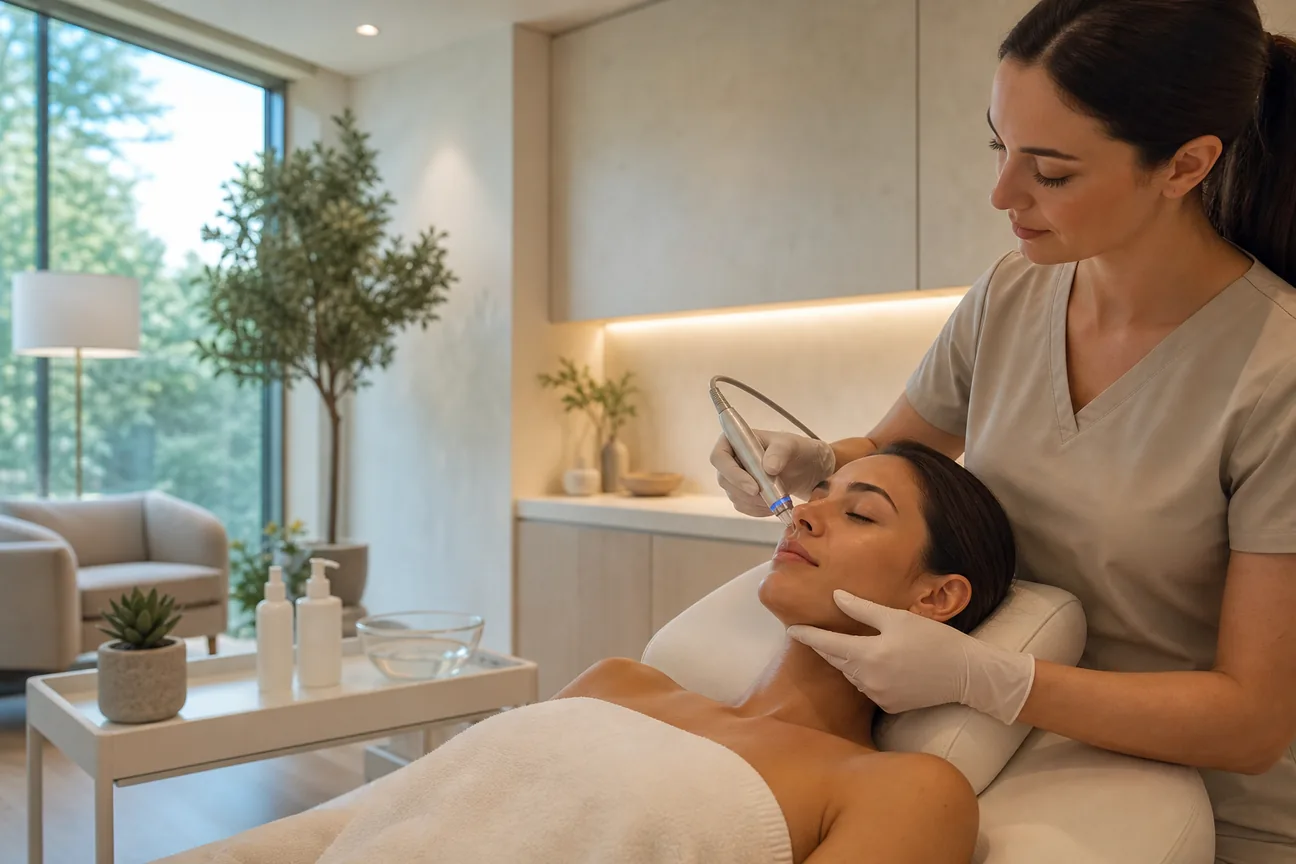
Microneedling breaks the skin barrier, so cleanliness and aftercare matter. With a home device, you manage the setup, device handling, and decisions about what touches your skin. In a clinic, a provider manages the treatment process and can discuss whether the procedure is suitable for you.
For additional safety information, review microneedling safety guidance before considering a home device.
Don’t use a home pen on inflamed, broken, or infected skin. If you have a skin condition or are unsure whether microneedling is suitable, get advice from a qualified medical provider first.
If you’re considering home use despite the risks, follow the device maker’s directions. Don’t share a device or reuse a cartridge intended for one use. Clean the tool only as its maker directs. Avoid putting serums, oils, or active skin products into freshly punctured skin unless a qualified provider has specifically advised you to use that product for that purpose.
After either approach, follow the provider’s or device maker’s care instructions. Keep skin care gentle while your skin feels tender or sensitive, and ask when to resume active products, makeup, exercise, or sun exposure. PS Aesthetics Wellness + Skinbar also has a page on microneedling aftercare that covers recovery guidance.
Contact a doctor promptly if you develop signs of infection or a severe skin reaction after treatment. Seek emergency care for severe or sudden symptoms.

Cost, Convenience, and Treatment Experience
An at-home pen usually means an upfront device purchase. Depending on the device, you may also need replacement cartridges and skin care you plan to use. A professional treatment is usually charged per visit, and some people may consider more than one session. The total depends on the device, clinic, treatment plan, and any separate supplies or products.
So don’t compare one appointment fee with the full cost of owning a device. Pick the same time period for both options. For home use, count the device and any cartridges you expect to replace. For professional care, count the visits you’re considering and any separate costs the provider confirms.
Convenience works differently, too. A home device gives you more control over when you use it, but you also take on the work of handling the tool and following its directions. A clinic visit requires scheduling and travel. In return, you can discuss your goals and concerns with a provider before treatment.
The experience varies by person and by treatment settings. Needling can feel uncomfortable. A professional can talk with you about comfort measures, including whether a topical numbing product is appropriate for your treatment. Don’t apply numbing products or change how you use them without guidance from a medical provider.
Downtime also depends on how the skin responds and how intensive the treatment is. Redness, warmth, tightness, or sensitivity may occur after microneedling. More intense treatment may mean a more noticeable recovery period. Ask the provider what to expect for your skin and when to resume your usual routine.
Visible changes aren’t immediate or guaranteed. Skin needs time to recover, and any change can vary between people. For more information, see this article ; it can’t predict an individual result.
Pro Tip:Compare the total you expect to spend over the same period, not the price of one visit against a device’s purchase price.
When At-Home Microneedling or Professional Treatment May Fit Better
Neither option suits everyone. Your skin history, the concern you want assessed, and your comfort with managing a device all matter. Use this table as a starting point for a conversation, not as a diagnosis or a promise about results.
Decision point | At-home pen | Professional treatment |
Control of the session | You choose when to use it and must follow the device directions yourself. | A provider assesses your skin and manages the procedure. |
Depth and settings | Devices and settings vary; advertised needle length doesn’t guarantee actual penetration. | A provider can select settings for the treatment area and your assessment. |
Hygiene responsibility | You handle storage, cleaning, and cartridge use as directed by the maker. | The clinic manages the treatment setup and device handling. |
Skin concerns | Not a good time to experiment if your skin is inflamed, broken, or affected by a condition needing medical advice. | A consultation can help assess whether treatment is suitable or whether you need medical care first. |
Cost pattern | Upfront device cost, with possible costs for cartridges and planned skin care. | Cost per visit, with the total depending on the number of sessions considered. |
Time and recovery | You set the schedule, but you’re responsible for monitoring your skin afterward. | You schedule a visit and receive guidance on what to expect after treatment. |
A home device may appeal to someone who wants to manage a simple skin-care routine and understands the limits and risks of home needling. But a pen isn’t a substitute for professional assessment when you have a skin condition or a concern that needs medical attention.
A professional consultation may be a better fit if you’re concerned about acne scars, deeper texture changes, or whether microneedling suits your skin. At PS Aesthetics Wellness + Skinbar , an assessment can help you discuss the treatment and the care plan before making a decision. Results vary, and a provider can’t promise a particular change.
People with sensitive or reactive skin should be cautious about either option. At-home use may make it harder to adjust technique when skin reacts. A professional can discuss your skin history and whether another approach or a delay is more appropriate.
Microneedling isn’t a replacement for medical care. If you have a new, changing, painful, or bleeding skin spot, ask a doctor to assess it instead of needling over it.
Frequently Asked Questions
Is microneedling at home as effective as professional treatment?
No, an at-home pen shouldn’t be assumed to match professional treatment. Devices differ in design and use, while a professional can assess your skin and adjust the procedure for the area. Any visible change varies by person and may take time. Ask a qualified provider what’s realistic for your skin concern before choosing a treatment.
How deep should an at-home microneedling pen go?
There isn’t one depth that’s right for everyone, and a device’s advertised needle length doesn’t show exactly how deeply it will enter your skin. Deeper needling may increase risks such as irritation, scarring, or pigment changes. Don’t increase a setting to chase a result. Ask a medical provider before using a device that punctures skin.
Does professional microneedling hurt, and do providers use numbing cream?
Comfort varies with the person, treatment area, and settings. A provider may discuss a topical numbing product when appropriate, but you should follow their directions rather than applying one on your own. Ask what the treatment may feel like and what comfort measures are suitable for you before the appointment.
How much does at-home microneedling cost compared with a clinic visit?
Home use starts with the device purchase and may include replacement cartridges or skin care. Professional care is generally priced by visit, and the total depends on how many sessions you consider. Prices vary, so compare current costs over the same period and ask the clinic what its quoted fee includes.
Who should avoid microneedling at home?
People with inflamed, broken, or infected skin should not needle that area. If you have melasma, rosacea, eczema, acne-prone skin, or another skin condition, ask a qualified medical provider before considering treatment. Seek medical advice for a changing or bleeding skin spot rather than treating it with a home device.
Conclusion
For concerns that need an individualized assessment, professional care is the more sensible place to start than experimenting with a home pen. If you’re in the Edmond area, you can explore a consultation with PS Aesthetics Wellness + Skinbar to discuss whether microneedling may suit your skin and what recovery could involve.

Comments