


5 Collagen Stimulation Therapy Options to Know
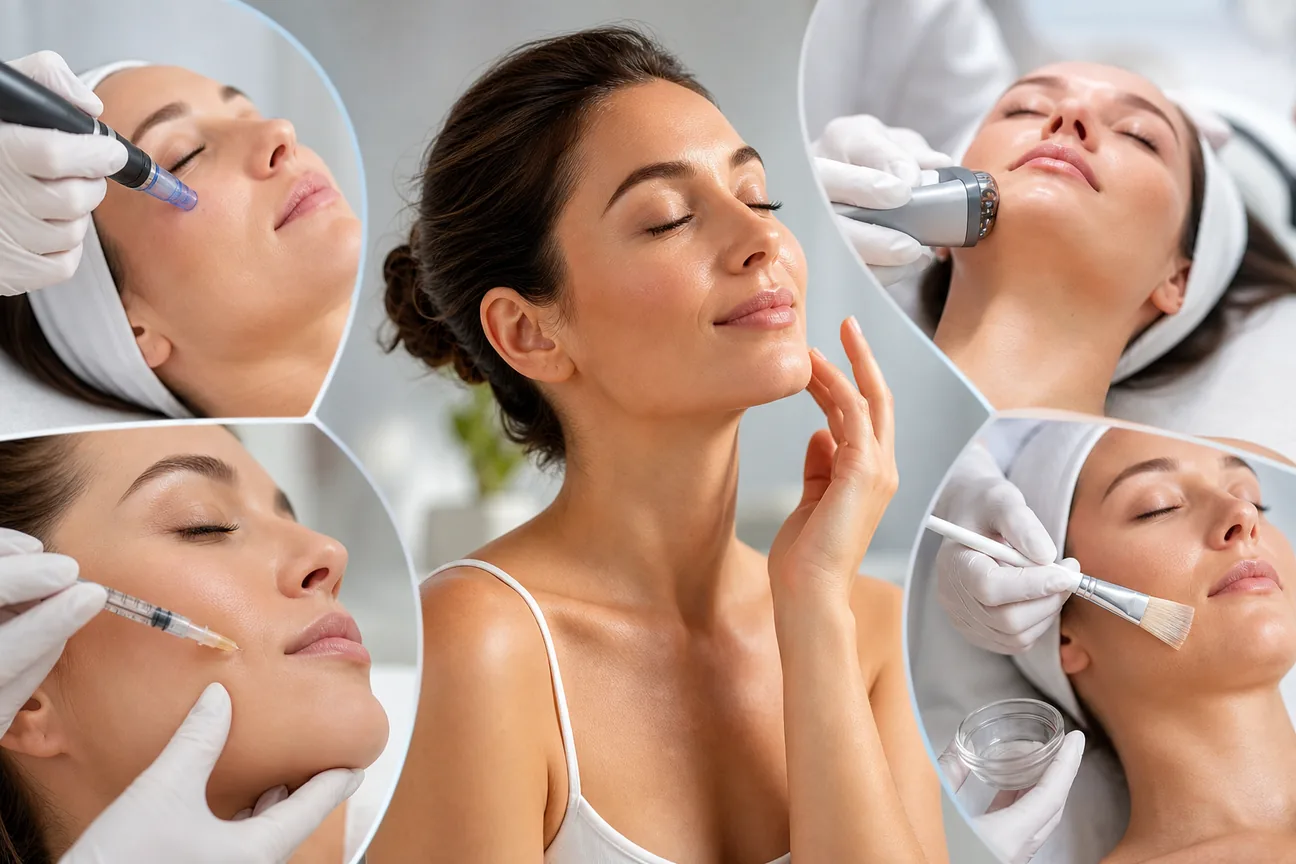
Collagen helps give skin structure and firmness, but its amount and activity can change with age and sun exposure. Collagen stimulation therapy covers several approaches, and each works in a different way. Here are five options to discuss with a qualified medical professional, along with what to ask before choosing.
Table of Contents
1. Microneedling: a minimally invasive option for skin texture
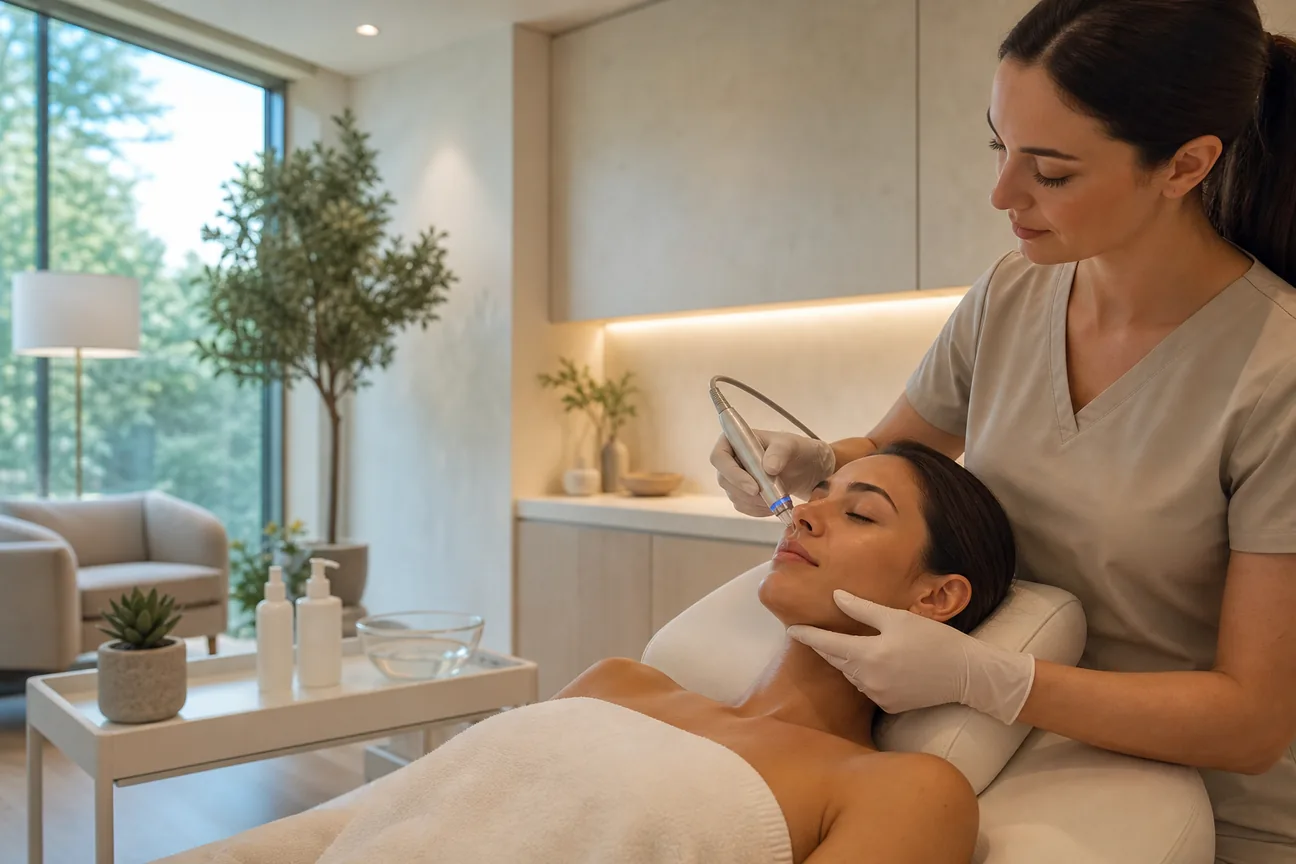
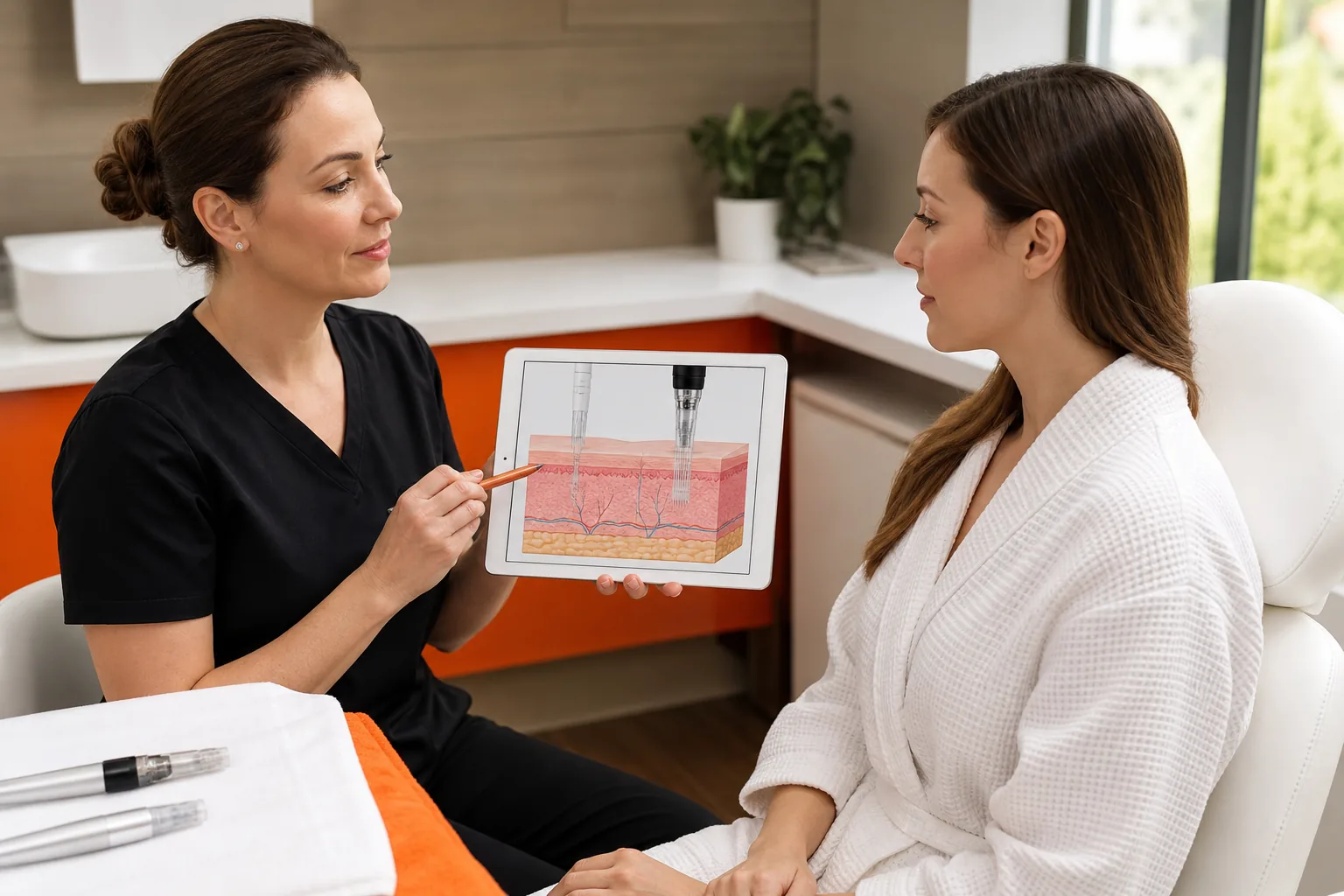
Microneedling uses fine needles to make small punctures in the skin. The controlled injury starts a wound-healing response, which may prompt changes in collagen and other skin structures. It’s used in aesthetic care for concerns such as uneven texture or the look of acne scars, though results vary and depend on the person and treatment plan.
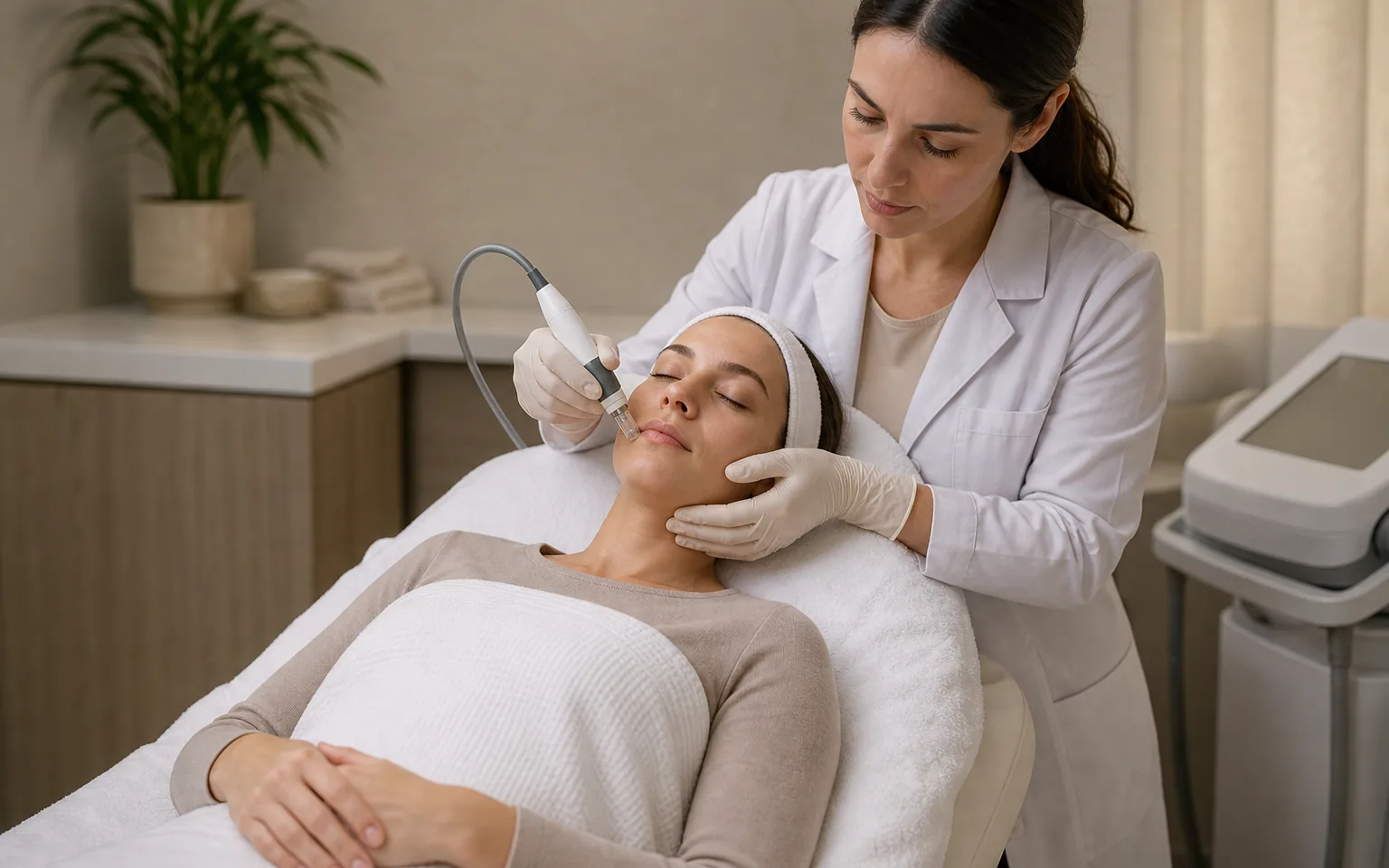
Microneedling can activate healing processes in the skin. Evidence on aesthetic treatments may be limited, so broad promises about results aren’t justified. For additional background, see this review of microneedling research .
During an appointment, a provider assesses the area and discusses the device, treatment depth, and aftercare. Temporary redness, tenderness, or swelling may occur. Ask how long to expect these effects to last for your planned treatment, what skin care to pause, and when you can return to your usual routine. The answer can vary with the device and treatment settings.
Microneedling may suit someone who wants to discuss texture concerns without starting with an injectable. It isn’t right for every skin concern or person. A clinician should review active skin irritation, a history of unusual scarring, and relevant health conditions before treatment. PS Aesthetics Wellness + Skinbar’s microneedling overview and treatment considerations can help you frame questions for a consultation.
2. Microneedling with platelet-rich plasma: a combination approach
PRP uses a sample of a person’s own blood. After processing, the platelet-rich portion may be applied to the skin or injected, depending on the method. Platelets carry proteins involved in healing and tissue repair. Researchers have studied whether these factors can support skin changes when paired with microneedling.
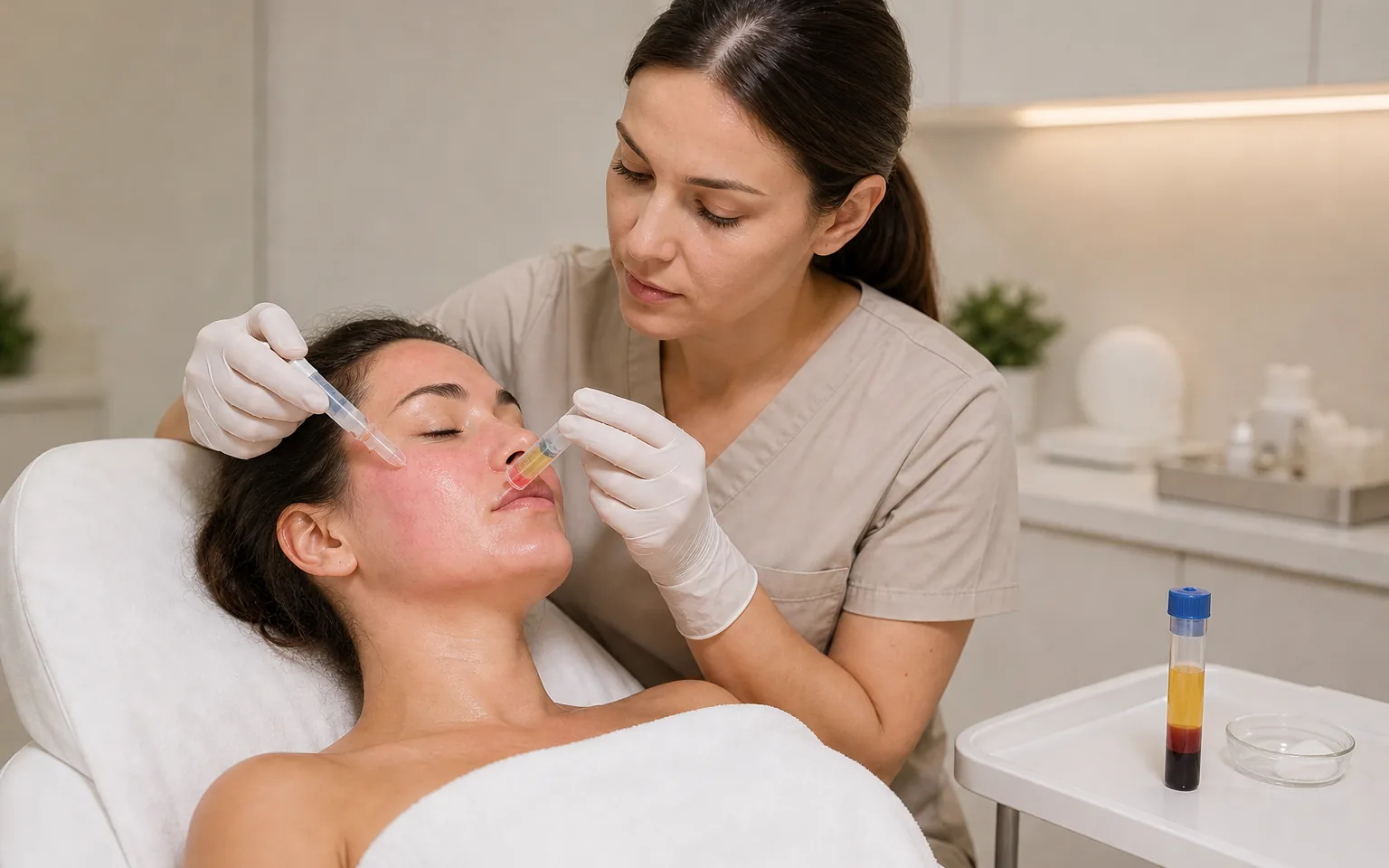
Studies of microneedling with PRP report mixed results. Some reported changes in skin texture or scar appearance, while other measures did not show a clear difference. That means a provider should discuss the limits of the evidence rather than promise a particular effect.
The process includes a blood draw and preparation of the sample, followed by microneedling and the planned use of PRP. Ask who prepares the sample, how it will be used, and whether the plan calls for more than one session. The blood draw is a meaningful difference from microneedling alone, and it may affect whether this approach suits you.
People with certain blood or skin conditions, or who take medicines that affect bleeding, should discuss those details with a qualified clinician before treatment. A careful assessment is more useful than assuming that a treatment using your own blood is automatically suitable.
PS Aesthetics Wellness + Skinbar also explains a related option, RF microneedling, including its risks and recovery questions , if you want to compare the two in a consultation.
3. Fractional laser resurfacing: light-based skin remodeling
Fractional laser resurfacing sends light energy to small, spaced areas of skin rather than treating every point in the same way. Depending on the laser, treatment may remove tiny portions of skin or heat tissue without removing the surface. The goal is to address selected skin concerns while the surrounding tissue remains untreated.
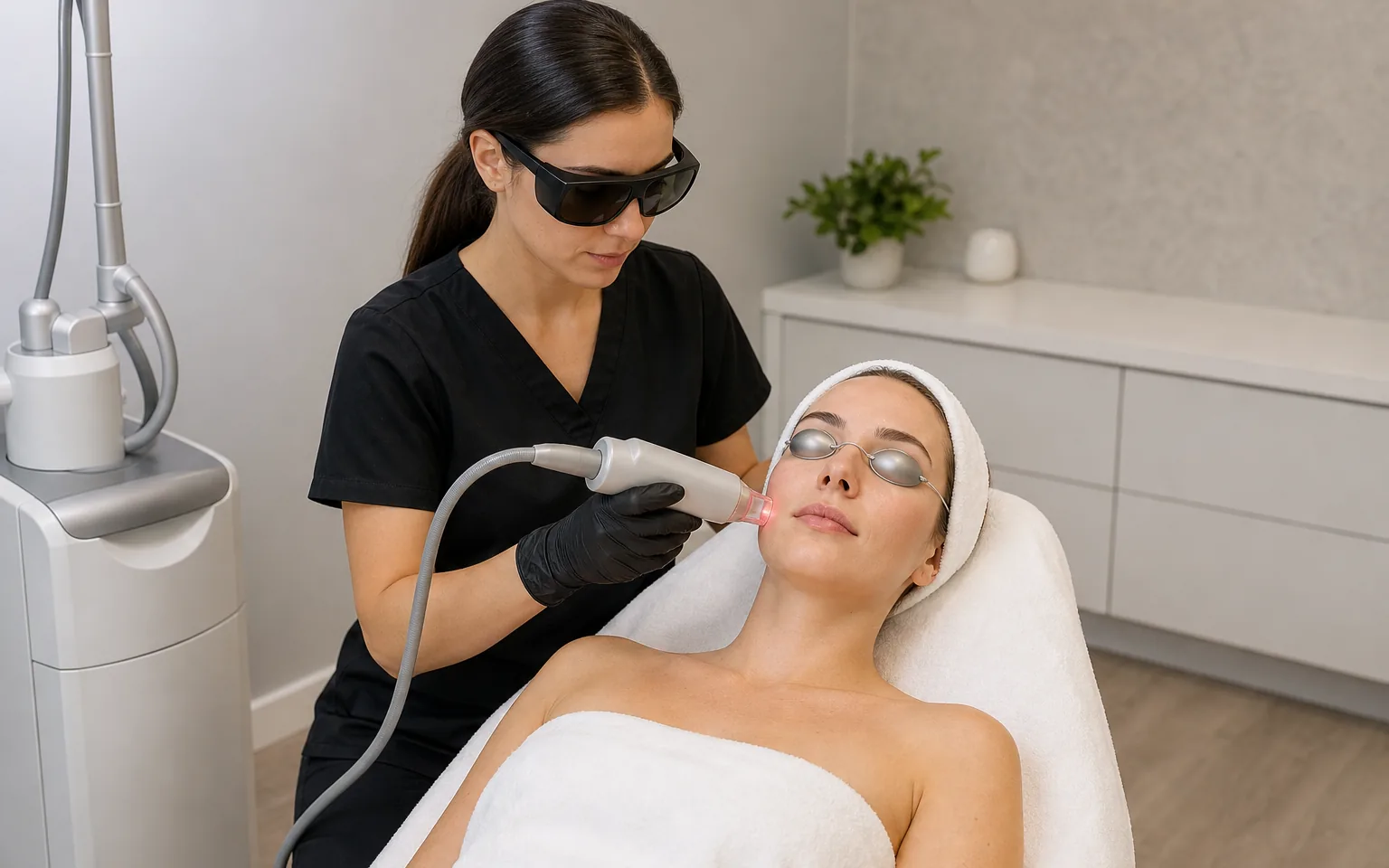
Laser type and treatment depth affect recovery. Some treatments can cause redness, swelling, discomfort, or peeling. A clinical evaluation matters because skin type and other personal factors can affect whether a particular laser is suitable. The clinician should describe the expected healing period and give you written instructions for skin care and sun protection.
Focused light can affect damaged skin, and heat from some laser treatments may stimulate collagen production. Laser treatment isn’t suitable for everyone. Ask about the exact laser, the intended treatment depth, and the risks for your skin.
PS Aesthetics Wellness + Skinbar offers laser skin resurfacing at its medical spa and salon in Edmond, Oklahoma. In a consultation, ask which type of resurfacing is being considered and what recovery looks like for that treatment. “Laser resurfacing” describes a broad group of methods, not one fixed procedure or recovery plan.
4. Poly-L-lactic acid injections: a gradual collagen stimulator
Poly-L-lactic acid is an injectable that works differently from a filler. Instead of adding volume right away, it is meant to prompt the skin to build collagen over a series of sessions, so changes appear gradually.
Sculptra is one brand name associated with poly-L-lactic acid. Its use, treatment schedule, and possible risks should be discussed with the clinician who would perform the procedure. The site’s Sculptra overview, including uses and risks , can help you prepare questions about the product and what an assessment should cover.
5. 24K Liquid Gold Facial: a luxury facial, not a collagen therapy
The 24K Liquid Gold Facial is offered as a luxury skin rejuvenation treatment. It is marketed for collagen support, skin elasticity and fewer visible fine lines, but evidence that gold-based facials stimulate collagen is limited.
Treat it as a pampering facial that may leave skin looking refreshed, rather than as a replacement for the procedures above. Ask what products are used, whether it suits sensitive skin, and how it would fit alongside any other treatment you are planning.
Compare the five collagen stimulation therapy options
The right comparison is about the treatment method and your health history, not a promise that one option will work better. Use this overview to guide a conversation with a qualified medical professional.
Option | How it works | What to ask |
Microneedling | Fine needles create small skin punctures. | What device and depth are planned? What aftercare is needed? |
Microneedling with PRP | Microneedling plus platelet-rich plasma from your own blood; needs a blood draw and may need multiple sessions. | How is the PRP prepared, and is a blood draw suitable for me? |
Fractional laser resurfacing | Light energy treats small, spaced areas of skin. | Which laser and depth are planned, and what does recovery look like? |
Poly-L-lactic acid injections | An injectable meant to prompt gradual collagen building over several sessions. | How many sessions are planned, and what are the risks? |
24K Liquid Gold Facial | A luxury facial marketed for skin rejuvenation; collagen evidence is limited. | What products are used, and does it suit my skin? |
There isn’t one standard price for these methods. Cost can depend on the treatment area, device or product, clinician’s plan, and number of sessions. Ask for a written estimate that explains what it covers. Also ask how the clinician will judge whether the approach is appropriate, what alternatives exist, and what happens if you decide not to proceed.
Pro Tip:Bring a list of medicines, supplements, skin products, and prior procedures to the assessment. Ask which details could change the treatment plan or aftercare.
Frequently asked questions about collagen stimulation therapy
What does collagen stimulation therapy mean?
Collagen stimulation therapy is a broad term for procedures intended to encourage skin processes linked to collagen. It can refer to microneedling or other procedures intended to support skin remodeling. These methods work differently, and they don’t guarantee firmer or smoother skin. A clinician can explain which approach, if any, fits your skin and health history.
How long does it take to see results?
There isn’t one timeline for every treatment. Some changes relate to short-term swelling or healing, while changes associated with tissue remodeling may take longer to assess. The method, treatment depth, and your own healing response all matter. Ask the clinician what timeline is reasonable for the specific procedure and when a follow-up assessment would make sense.
What side effects should I ask about?
Ask about expected redness, swelling, tenderness, bruising, or peeling for the procedure you’re considering. Possible effects differ by procedure. Get clear instructions on aftercare and whom to contact if symptoms worsen. Seek prompt medical care for fever, spreading redness, pus, severe or sudden symptoms, or a sudden change in vision.
Who may need to avoid or delay treatment?
Suitability depends on the treatment and your health. Active skin infection or irritation, a history of unusual scarring, pregnancy, breastfeeding, certain medical conditions, and medicines that affect healing may call for added caution or a delay. This list isn’t a diagnosis. Share your health history with a qualified clinician and follow advice from your doctor or prescriber.
How do I choose a qualified provider?
Ask who will perform the treatment and what license or training applies in your state. Confirm the exact device or injectable, the intended treatment area, possible risks, aftercare, and the plan for follow-up. A qualified clinician should make time for questions and explain when another option or no procedure may be more appropriate.
Conclusion
Start with the concern you want assessed, then compare the method, recovery, risks, and cost estimate with a qualified clinician. PS Aesthetics Wellness + Skinbar in Edmond provides laser skin resurfacing, and its medical aesthetic treatments are performed or overseen by Paige Schwab, APRN, FNP-BC, a licensed nurse practitioner. You can request an assessment or consultation to discuss whether an option suits you.

Comments