


Neurotoxin Injections for TMJ: Evidence and Risks
Neurotoxin injections for TMJ-related symptoms are sometimes discussed when jaw muscles feel tight or sore. They may reduce muscle activity, but they don't address every cause of jaw pain, and evidence for their use is limited.
Here’s how TMJ and TMD differ, what an evaluation may cover, and what to ask before considering an injection.
Table of Contents
TMJ vs. TMD: What the Terms Mean
TMJ is short for temporomandibular joint. You have one joint on each side, where your lower jaw meets your skull. These joints help you open and close your mouth for tasks such as chewing and speaking.
TMD means temporomandibular disorders. It’s a broad term for conditions that affect the jaw joints, the muscles used for chewing, or nearby tissues. People often say “TMJ” when they mean a disorder, but the terms aren't the same.
TMD can involve pain near the jaw or temple, jaw stiffness, trouble opening the mouth, or sounds during jaw movement. Those signs don't point to one cause on their own. A dentist or medical clinician may need to check the joints, muscles, teeth, and other possible sources of pain.
That distinction matters when you ask about treatment. An injection aimed at a muscle may be considered differently from care for a joint problem, tooth issue, or another cause. For general background, see this overview of TMJ disorders .
If symptoms are new, recurring, or getting in the way of eating or speaking, start with an evaluation rather than assuming a particular treatment fits.
How Neurotoxin Injections May Affect Jaw Muscles
Neurotoxin injections are intended to reduce activity in selected muscles for a time. When used around the jaw, the masseter muscle is often discussed because it helps close the jaw. A clinician may also consider other muscles based on the exam and the reason for treatment.
Less muscle activity is not the same as treating every source of jaw symptoms. An injection would not correct a tooth problem or automatically address a joint condition. It also shouldn't be assumed to stop clenching during sleep or resolve pain for everyone.
Before considering this approach, clarify the goal. Is the aim to reduce overactive muscle contraction, change the appearance of the jaw, or address a symptom that has another cause? These are different goals. Aesthetic injections and treatment for a jaw disorder shouldn't be treated as interchangeable.
PS Aesthetics Wellness + Skinbar in Edmond, Oklahoma, provides aesthetic and wellness services. Its information about jawline injections and treatment planning can help readers understand questions that arise with aesthetic care, but it isn't evidence that an injection is suitable for a TMJ disorder.
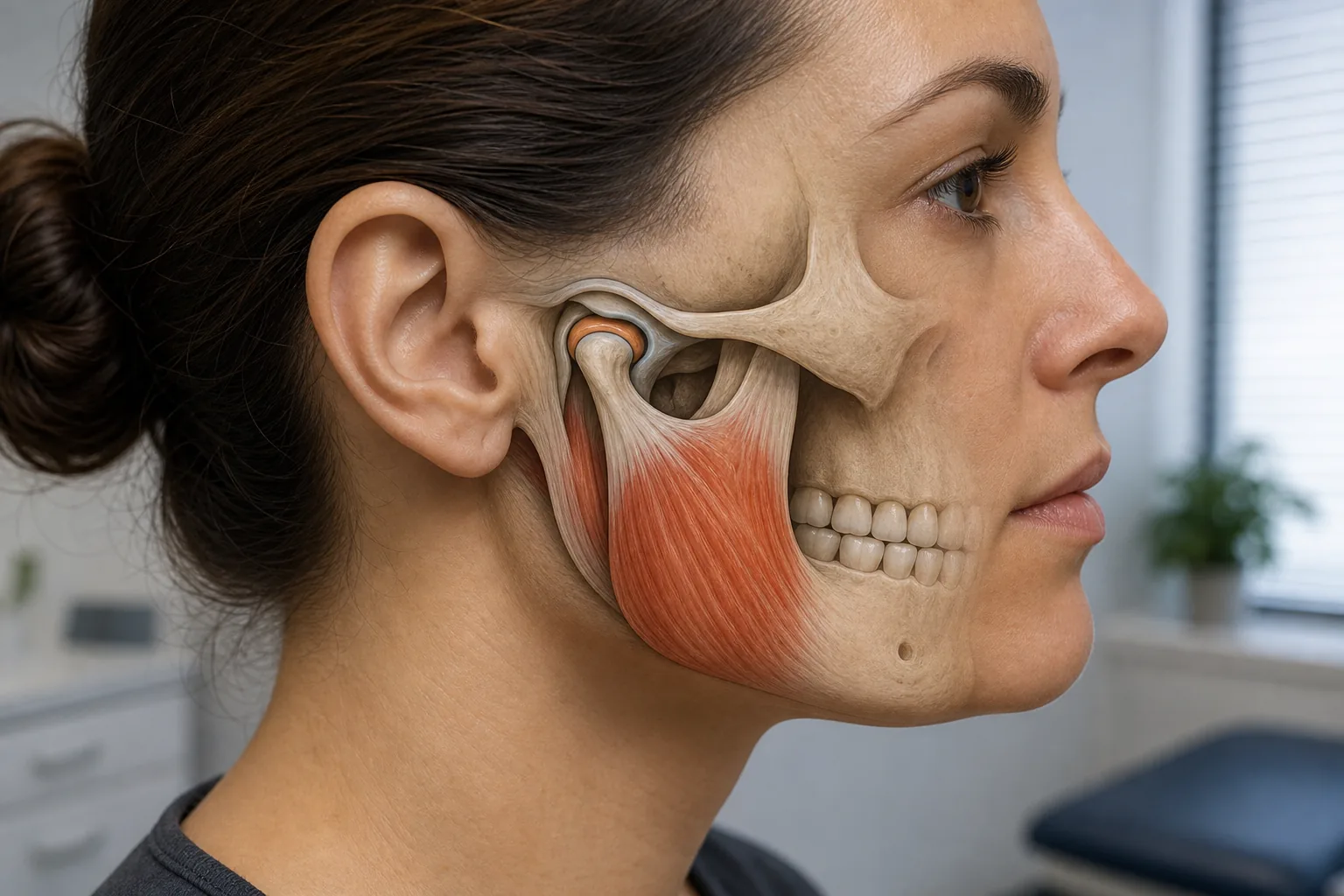
Ask the clinician to explain which muscle they would target and why. If the explanation doesn't connect to your exam findings and your goal, ask for more detail before deciding.
Who Might Be Considered and What Evaluation Involves
There isn't one symptom or jaw shape that makes someone a candidate. A clinician first needs to understand what you feel, how long it has been happening, and whether the concern appears related to a muscle, a joint, or something else.
An evaluation may include questions about pain, jaw movement, past dental or medical care, and how symptoms affect daily activities. The clinician may examine how far your mouth opens, check jaw movement, and feel the muscles and joints. They may also ask about medicines, prior injections, and health conditions that could affect a treatment decision.
Imaging isn't needed for every person. A clinician may consider it when the history or exam points to a need for more information.
If the main concern is jaw pain, a dental or medical assessment can help sort out possible causes before an aesthetic service is considered. At PS Aesthetics Wellness + Skinbar, medical aesthetic treatments are performed or overseen by Paige Schwab, APRN, FNP-BC, a licensed nurse practitioner. Its injectable services page covers aesthetic treatments, so ask directly whether your jaw concern is within the scope of a visit.
Bring a short symptom timeline to an appointment. Note when discomfort began, what seems to trigger it, and whether movement is limited. That can help the clinician focus the discussion without assuming the cause.
Ask what alternatives fit your diagnosis, what change the proposed treatment is meant to produce, and what signs would prompt follow-up. If a clinician can't explain the reason for an injection in terms you understand, pause and seek clarification.
What the Evidence Says About Benefits and Limitations
Research on neurotoxin injections for jaw-related symptoms doesn't support a promise of relief for every person. Some research has explored whether reducing muscle activity may help certain people, but findings and study methods vary. A clinician should explain what evidence applies to your diagnosis and what remains uncertain.
That uncertainty matters. A change in muscle tension may not resolve a joint problem or another source of pain. Results can vary, and a treatment's possible effect should be weighed against its risks and the options available for the specific cause.
A general TMJ disorders resource can help frame a discussion about treatment, but it is not a personal diagnosis.
Ask the clinician to separate what is known from what is still being studied. Useful questions include:
What diagnosis or finding is this injection meant to address?
What improvement would count as a meaningful change for me?
How will we check whether it helped?
What other care could be considered if I don't choose an injection?
Also ask about the timing and limits of any expected effect. Avoid relying on a standard dose or a promise based on someone else's experience. An individual's treatment plan should follow an assessment, not a generic number found online.
There is a difference between an injection being offered and its benefit being settled for a particular problem. A careful decision makes room for both the possible benefit and the gaps in evidence.
Risks, Alternatives, and When to Seek Medical Care
Ask about possible side effects before treatment. These may include temporary soreness or bruising near the injection site. If nearby muscles are affected, chewing strength or facial movement may change. The exact risks depend on the product, placement, amount used, and your health history, so ask the treating clinician to explain the risks that apply to you.
Use an appointment to discuss alternatives that fit the cause of your symptoms. Depending on the assessment, a clinician may discuss self-care measures or other dental and medical care. Don't stop prescribed treatment or delay an evaluation because an injection is being considered.
PS Aesthetics Wellness + Skinbar has an educational page about possible side effects of aesthetic injections . For jaw symptoms, discuss risks with the clinician responsible for your evaluation and care, since the treatment area and goal can differ.
See a doctor or dentist promptly if jaw symptoms worsen, keep returning, or make it hard to eat or open your mouth. Seek urgent medical care for sudden, severe symptoms, major swelling, fever with facial or jaw pain, or trouble breathing or swallowing. If your jaw becomes stuck open or closed, get prompt care.

Good care leaves room to reconsider. If an injection isn't a clear fit after the assessment, ask what the next step should be.
Frequently Asked Questions
Can neurotoxin injections help TMJ pain?
They may help some people, but the evidence doesn't support a guaranteed result. An injection can affect targeted muscle activity, while jaw pain can have other causes. A qualified clinician should assess the likely source of symptoms and explain the evidence, risks, and alternatives before you decide.
Are TMJ and TMD the same thing?
No. TMJ refers to the temporomandibular joint, while TMD refers to disorders involving the joint, jaw muscles, or nearby tissues. People often use “TMJ” as shorthand for a disorder, but the difference can matter when describing symptoms and discussing care.
What happens at an evaluation for jaw injections?
An evaluation may cover your symptoms, health history, prior care, and how your jaw moves. The clinician may examine the muscles and joints, then decide whether more assessment is needed. Ask what diagnosis is being considered and how an injection would relate to the findings.
What are the risks of injections in jaw muscles?
Possible effects can include soreness or bruising near the injection site. A change in nearby muscle activity may affect chewing or facial movement. The risks depend on your situation and the treatment plan, so ask the treating clinician what to watch for and how to get help if a concern develops.
When should I see a doctor for jaw pain?
Arrange an assessment if jaw pain keeps returning, gets worse, or affects eating or mouth opening. Get urgent care for sudden severe symptoms, major swelling, fever with jaw pain, or trouble breathing or swallowing. A jaw that becomes stuck open or closed also needs prompt medical attention.
Conclusion
Neurotoxin injections may be one topic to discuss, but an evaluation should come first because jaw symptoms can have different causes and the evidence is not a guarantee. Ask a dentist or medical clinician to assess your symptoms and review suitable options. If you have questions about aesthetic injectable care, you can also ask PS Aesthetics Wellness + Skinbar whether an assessment is appropriate for your concern.



Comments