


PRP Injection Cost: What to Expect
PRP prices can differ sharply, even when the treatment name sounds the same. PRP injection cost depends on the area treated, the method used, and how many visits your care plan includes. At PS Aesthetics Wellness + Skinbar in Edmond, ask for a quote for your planned treatment before you set a budget.
Table of Contents
What Determines PRP Injection Cost?
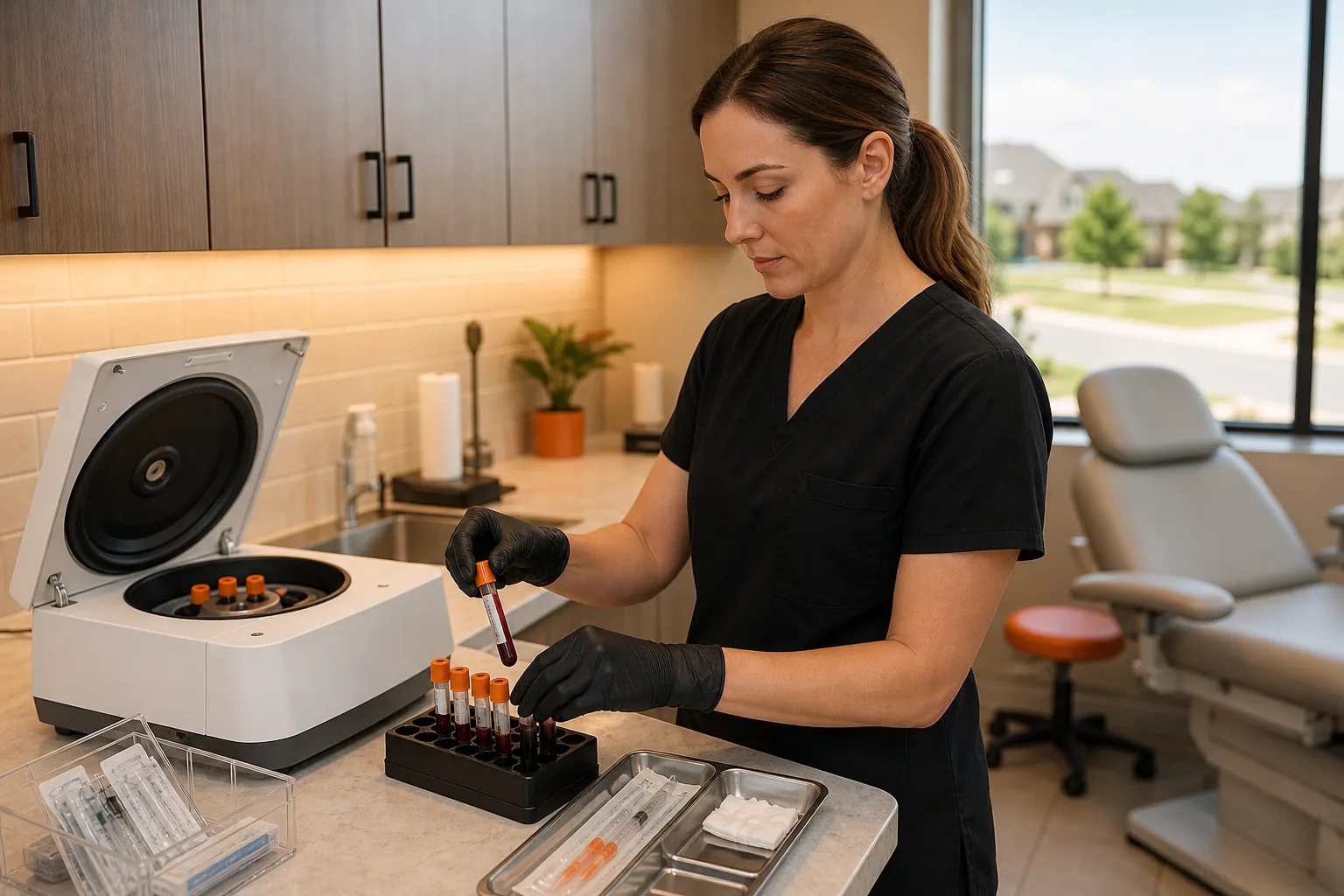
PRP stands for platelet-rich plasma . A provider takes a sample of your blood, processes it to concentrate platelets in the plasma, then uses that preparation in a planned treatment. The details vary. An injection into a joint is different from a facial treatment that uses microneedling or applies PRP to the skin.
That difference matters when you compare quotes. A price may cover one technique, while another quote may include more than one part of a treatment. Ask the provider to name the planned method in plain language. If you’re considering facial care, the overview of what PRP treatment for the face involves can help you understand the terms before a consultation.
At PS Aesthetics Wellness + Skinbar , ask which approach is planned for you, such as direct facial injections, microneedling with PRP, or topical PRP, and whether a consultation, numbing cream, and aftercare are included. Ask whether the quote covers the full plan.
Other details can affect a quote, too. Ask whether it includes blood collection and processing, the provider’s procedure fee, numbing, equipment, and follow-up. For a joint injection, ask whether imaging guidance is part of the plan. These are questions to clarify, not fees every clinic will charge separately.
Price alone can’t tell you whether two treatments are alike. A useful comparison puts the method, treatment area, included services, and proposed session count side by side. If a quote only gives one total, request a written breakdown before deciding.
How Treatment Area and Session Count Affect the Total
The treatment area affects what the visit involves, and the plan may call for more than one session. That’s why a per-visit price isn’t always the amount you’ll spend overall. Ask for the recommended number of visits and the estimated total for that plan.
For musculoskeletal PRP, ask the provider how the injection site and planned service affect the quote. Clarify whether the estimate is for one injection or a broader treatment plan. Pricing varies by provider and service, so an estimate for one procedure isn’t a universal price or a quote for facial PRP.
For instance, if a provider proposes three visits, ask whether the quote is priced per visit or as a package. Then ask whether each visit includes the same steps. A package total may look simpler, but you still need to know what happens if the plan changes after an assessment.
Session needs can vary with the treatment goal and the provider’s protocol. Ask how many sessions are proposed for you and why. A suggested number is a plan to discuss, not a promise that you will respond in a set way.
Facial PRP may use injection, microneedling, or a combination. The method matters because it changes what the visit involves and what aftercare may be advised. For additional reading, see the facial PRP benefits, risks, and results article.
Before agreeing to a series, ask for the per-session fee and the full projected cost. Ask whether follow-up visits or maintenance treatments are part of the plan, or would be separate. Don’t assume a lower first-visit price means a lower total.
What a PRP Injection Quote May Include
A clear quote should spell out the work planned for your visit. The name “PRP” doesn’t tell you whether the price covers a consultation, blood processing, injection, microneedling, or aftercare. Ask the provider to write down what is included and what could add to the total.
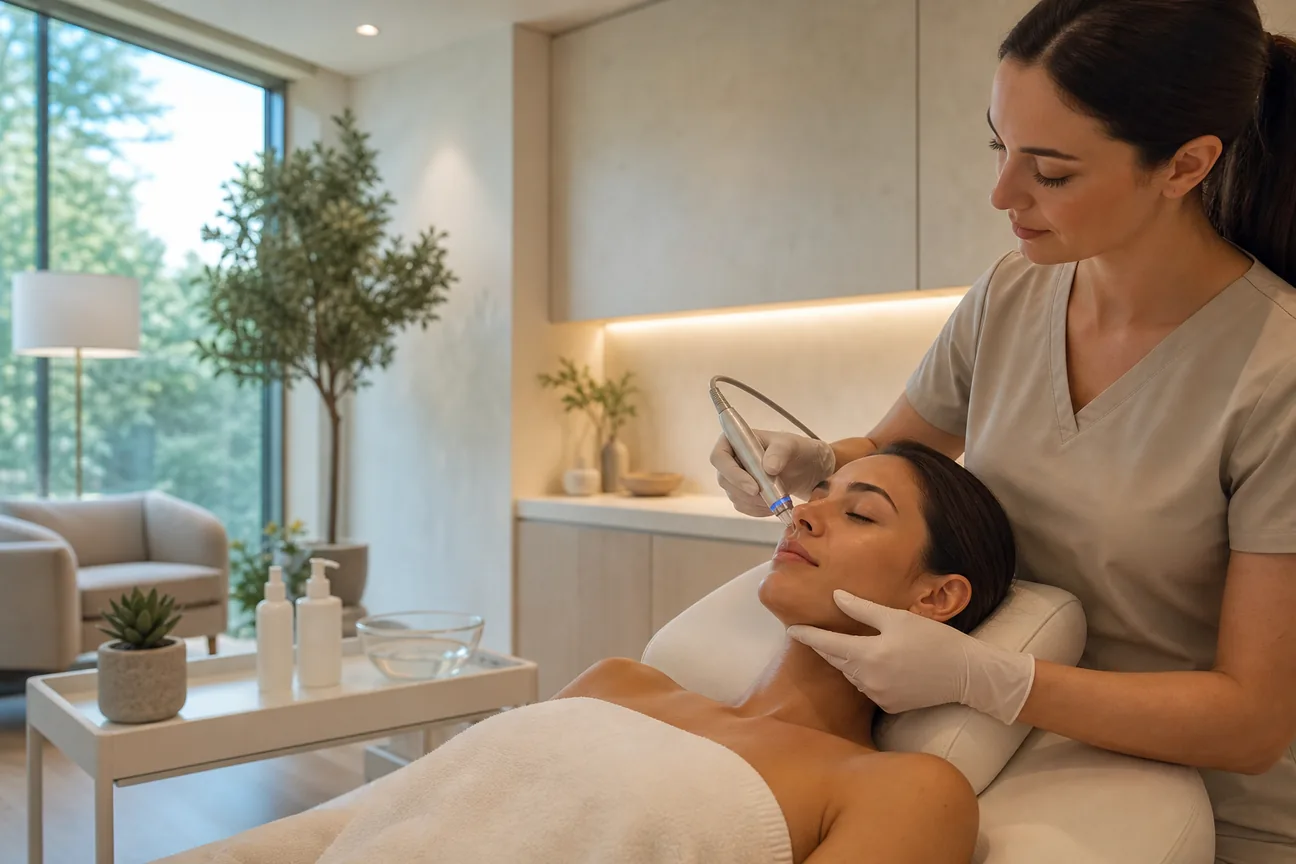
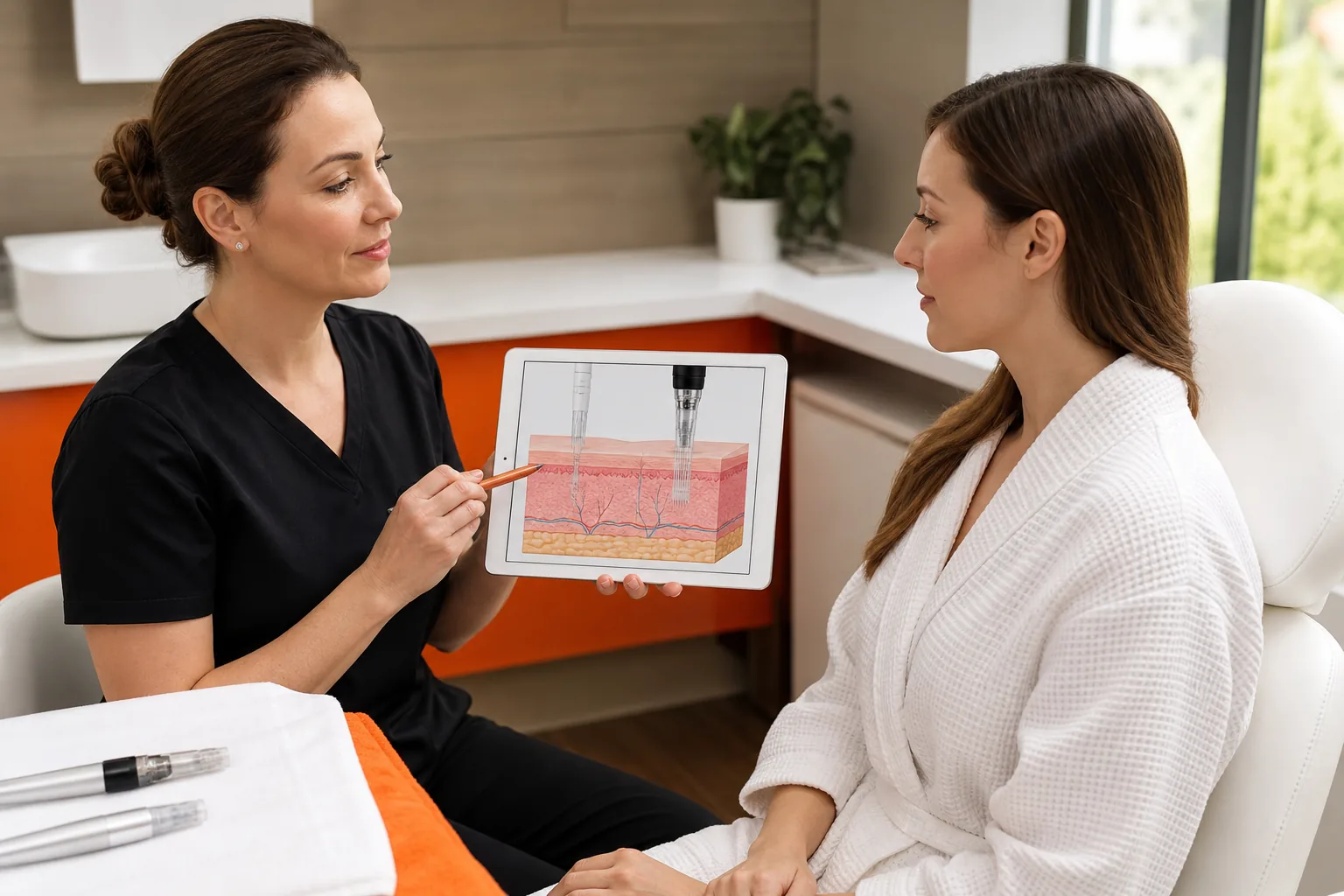
For example, a facial plan may include a blood draw followed by PRP injections. Another plan may pair PRP with microneedling, which uses small needles to treat the skin. Confirm which method is planned for you rather than treating these as interchangeable.
If your plan includes microneedling, ask how the PRP is used during the session and what recovery guidance you’ll receive. The practice’s guide to microneedling with PRP and aftercare explains the treatment format. A consultation should also leave room to discuss your goals, health history, and whether another approach may suit you better.
Use these questions to check a quote:
What treatment method and area does this price cover?
Does it include the consultation, blood processing, and numbing cream?
How many sessions are proposed, and what is the estimated total?
Are follow-up care or any added services included?
What might lead the plan or price to change?
For a musculoskeletal procedure, the quote may also need to clarify imaging or follow-up. Ask whether the quote is specific to the injection site and treatment being considered. Use any published price as a point of reference only. Your own written quote should match the area and treatment method being considered.
Aftercare deserves a place in the discussion. Ask what to expect after the procedure, which symptoms should prompt a check-in, and whom to contact with questions. Don’t rely on a price that leaves the planned treatment or next steps vague.
Insurance, Payment, and Safety Considerations
Insurance coverage for PRP varies by plan and by the reason for treatment. Ask your own plan about the specific procedure and diagnosis before assuming it will pay.
If you’re paying directly, ask whether the practice has payment plans and whether HSA or FSA funds may apply to your situation. Eligibility depends on the account rules and the nature of the service, so confirm with your plan administrator. Don’t count on reimbursement until you have checked.
PRP uses a person’s own blood, but that doesn’t make every procedure right for everyone. A provider should review your medical history and discuss factors that may affect candidacy. PRP is prepared by processing blood to concentrate platelets, and preparation methods can vary. That variation is one reason to ask what process the provider plans to use.
PRP research is still developing, and findings differ across uses. It’s used in some musculoskeletal, hair, and skin settings, but a result for one concern shouldn’t be assumed for another. A consultation can help set expectations, review possible risks, and decide whether the proposed plan fits your needs. Results vary between people.
Temporary soreness, swelling, or redness may occur after treatment. Ask your provider what reactions are expected for your procedure and how to care for the area. Contact a healthcare professional promptly if you develop fever, spreading redness, drainage, or severe or worsening pain. Seek emergency care for sudden, severe symptoms.
Frequently Asked Questions
How much does a PRP injection cost?
PRP injection prices vary by treatment area, technique, and what the quote includes. Ask for a written quote for your proposed treatment.
How many PRP injections are usually needed?
The number depends on the treatment and the clinician’s plan. Ask for the reason and full cost of the proposed schedule.
Does insurance cover PRP injections?
Coverage varies. Contact your insurer with the procedure details and diagnosis. If you’re considering HSA or FSA funds, confirm eligibility with your account administrator first.
What should a PRP quote include?
A quote should identify the treatment area and method, plus the services included in the fee. Ask whether consultation, blood processing, numbing, follow-up, and aftercare are covered. Also request the number of proposed sessions and the estimated total. That gives you a clearer basis for comparing plans than a per-visit price alone.
Conclusion
Ask for a written estimate that names the method, included services, and expected number of sessions. If you’re in Edmond, PS Aesthetics Wellness + Skinbar can discuss its PRP options and whether an assessment makes sense for your goals. Bring your questions about cost, candidacy, and alternatives to that conversation.

Comments